Are Walnuts Good for Diabetes?
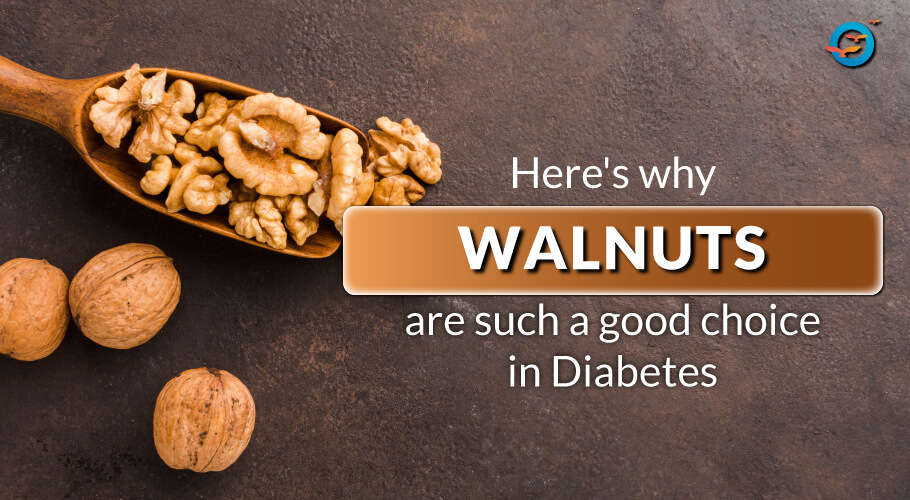
Walnuts for type 2 Diabetes
If you have diabetes, diet, and exercise form an important part. Diabetics should keep a proper check on what food they eat as maintaining sugar levels and stable blood sugars is an important part of managing it. Proper diabetes care, prevention, and healthy eating habits also support long-term heart health and overall wellness.
We have discussed several food items in earlier blogs. Now, it is time to learn about snacking items. Having seeds and nuts is a healthy way of snacking in diabetes. Both of them are full of nutrition and powerhouse energy with essential vitamins, healthy fatty acids, and important nutrients that support weight management and insulin sensitivity. Today, we will discuss diabetes and walnuts.
Is Walnut safe for diabetics?
It is seen that walnuts, in the nuts category, can play a big role in diabetes management. In fact, a study in 2013 published in 'The Journal of Nutrition has shown that having walnuts can help reduce the risk of type-2 diabetes and improve insulin function in the body.
Let us first see what do walnuts contain.
Walnuts Nutrition Facts
Walnuts contain 65% fat and 15% of protein, plus they are low in carbs and have a low glycemic index. (30-gram) of walnuts contain
- Calories: 185
- Water: 4%
- Protein: 4.3 g
- Carbs: 3.9 g
- Sugar: 0.7 g
- Fiber: 1.9 g
- Fat: 18.5 g
Walnuts are mainly made up of polyunsaturated fat and protein. They have a high percentage of omega-3 fatty acids, which has been associated with various health benefits including improved cardiovascular disease prevention and better blood pressure support.
You can also read about omega-3 rich foods for diabetes for better heart health support.
Walnuts Benefits for Diabetes Management
Walnuts are beneficial to diabetics in the following ways. Let's see how
- They have high antioxidant content leading to improving the blood vessel function and fighting with the radicals. They give a variety of health benefits and reduce the chance of developing type 2 diabetes in adults. Their rich antioxidants also support healthy blood sugar balance.
- They are a rich source of vitamin E, protein as well as minerals such as magnesium, calcium, chromium, potassium, and zinc along with important vitamins that help support overall health.
- Walnuts are a good source of antioxidants that can help fight oxidative damage in your body, including damage due to “bad” LDL cholesterol and unhealthy lipoprotein levels, which promotes atherosclerosis.
- Walnuts are an excellent source of the plant form of omega-3 fatty acids, which may help reduce heart disease risk and improve overall heart health.
- Consuming walnuts may help control type 2 diabetes and reduce your risk of the disease, as it contains chromium that may support better insulin sensitivity.
- Polyphenols present in walnuts may lessen the risk of certain cancers, including breast, prostate, and colorectal cancers.
- Walnuts have nutrients that may help protect your brain from inflammation, damage and support good brain function as you age.
- It also boosts bone health. They help increase calcium absorption and deposition while reducing urinary calcium excretion.
- Walnuts may also support healthy blood pressure, balanced calories intake when eaten in proper portion sizes, and better diabetes management.
How Many Walnuts Should a Diabetic Eat Daily?
Diabetics can have 2 walnuts or 4 halves in a day. Ensure you soak them in water for at least 2 hours before consuming them. Please throw the water away
Maintaining proper portion sizes is important for managing blood sugar levels and daily calories intake.
What is the Best Time to Eat Walnuts?
The best time to have walnuts or any nuts is evening because the evening is the time when you consume an unhealthy snack.
Instead of munching something unhealthy one can have soaked walnuts. Soaked nuts work as a good hunger suppressant and also have low GI or glycemic index benefits. You can explore more low GI foods for diabetes for better blood sugar management.
Thus walnuts can be a good snack option for people with type 2 diabetes as they may keep blood sugar levels controlled, help prevent cardiovascular disease, support heart health, and even aid weight management.
Final Thoughts on Walnuts for Diabetes
We have tried to give a piece of comprehensive information about walnuts in this blog. How did you find this blog to be?
Do share it with your family and friends.
For more information on various diabetes-friendly foods, do visit our FFD Blog Section.
Read more about what are the best seeds for diabetes, please visit our Article.
FAQs
1. Are walnuts good for diabetics?
Yes, walnuts are good for diabetics. It is seen that walnuts, in the nuts category, can play a big role in diabetes management due to their high antioxidant content. They are low in carbs and rich in healthy fats, which can help manage blood sugar levels and improve insulin sensitivity.
2. How do walnuts help with diabetes?
Walnuts help with diabetes by improving blood sugar control and reducing inflammation, thanks to their healthy fats, fatty acids, and antioxidants.
3. Can I eat walnuts if I have diabetes?
Yes, you can eat 2 walnuts or 4 halves in a day if you have diabetes. Ensure you soak them in water for at least 2 hours before consuming them and maintain proper portion sizes.
4. What are the benefits of walnuts for diabetics?
Walnuts offer several benefits for diabetics, including reducing the risk of certain cancers, lowering cholesterol, supporting heart health, improving blood sugar levels, and reducing inflammation.
5. Do walnuts help in weight management for diabetics?
Yes, walnuts may help in weight management because they keep you full for longer and reduce unhealthy snacking cravings.
6. Are walnuts good for heart health in diabetes?
Yes, walnuts contain omega-3 fatty acids and antioxidants that may support heart health and reduce the risk of cardiovascular disease in people with diabetes.
7. Can walnuts improve insulin sensitivity?
Walnuts contain healthy fats, minerals, and nutrients that may help improve insulin sensitivity when included as part of a balanced diet.

Disclaimer:
This Blog solely serves our marketing purposes, for Authentic knowledge for this topic, Please join our upcoming Discover Reversal Session