Best Seeds for Diabetes: Natural Remedies and Health Benefits
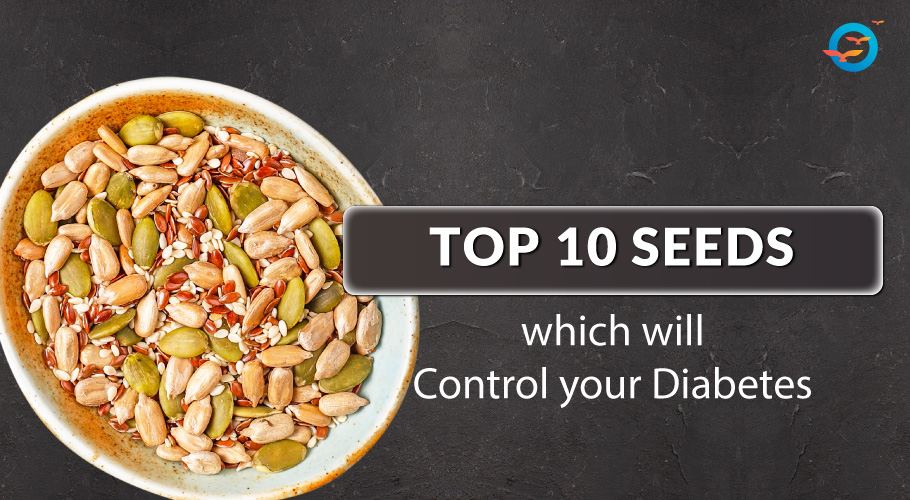
The most commonly used food items are grains, vegetables, fruits, and animal products. All of us will agree that seeds fall into a much neglected and underused category. But it should not be so. Actually they are a "powerhouse" of lots of vitamins, minerals, and antioxidants and should be included in the daily dietary regimes. In this article, we will discuss some of the best seeds for diabetes patients.
Seeds are nutrient-dense foods that play an important role in overall health, wellness, and metabolism. They are excellent sources of fibre, healthy carbohydrates, omega-3 fatty acids, vitamins, calcium, and magnesium, all of which support better blood sugar control, insulin regulation, and improved insulin resistance. Including seeds like flax, sunflower, and pumpkin in daily meals, snacks, or smoothies can help maintain healthy cholesterol levels, regulate blood pressure, and reduce the risk of heart disease and diabetes-related complications. Their low glycemic index helps manage glucose levels effectively, making them smart nutrition choices for weight loss and balanced metabolism. Regular consumption of these seeds provides essential nutrients that support better digestion, reduce symptoms of metabolic disorders, and promote overall well-being.
Here is a list of the top 10 seeds for diabetes patients extremely useful for good health
Seeds for diabetes control
1. Nutritional benefits of seed Fenugreek

Fenugreek also known as Methi has multitudinous benefits. They can also be referred to as boons for diabetes Patients due to their unique properties.
The soluble fiber present in Fenugreek helps in reducing the absorption of glucose and in turn, helps in controlling glucose levels. Fenugreek seeds can help regulate blood sugar levels, making them highly effective for diabetes management.
The higher dosages of fenugreek show a more hypoglycemic effect. Studies suggest that fenugreek seeds can significantly lower blood sugar levels, with some findings showing an average reduction of around 14–15% in people with type 2 diabetes.
2. Sesame seeds Benefits:
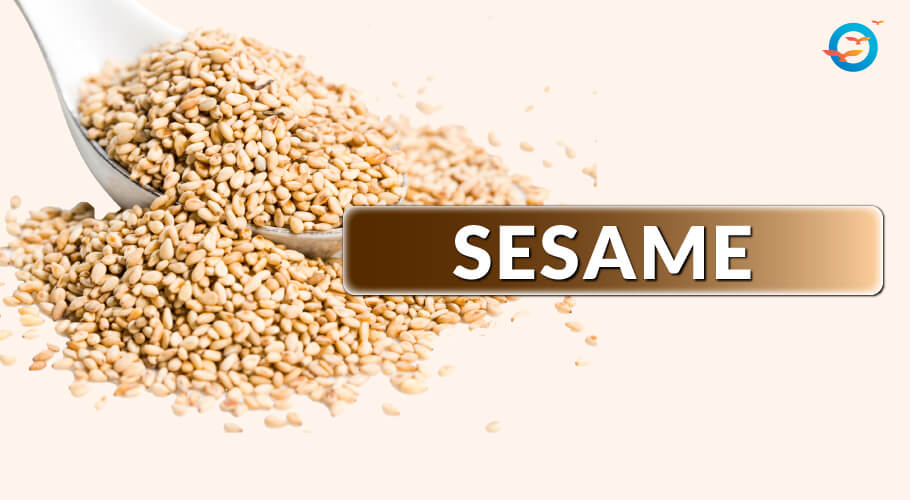
We already know seeds are a powerhouse of nutrients. Diabetes patients are often advised to eat only healthy food and hence it is advisable to include it in their diet.
If you carefully go through the benefits of sesame you will understand that they are very much helpful in conditions leading to diabetes. They help in maintaining blood pressure due to their magnesium, help reduce inflammation, have antioxidants to combat oxidative stress, and their quality of being high in protein and healthy fats makes them special.
3. Advantages of Kalonji seeds
Kalonji whose scientific name is Nigella sativa is also called black cumin or nigella. Roman coriander, black caraway, fennel flower, and nutmeg flower are their English names. Kalonji is used as a spice that gives a nice aroma to food.
- Kalonji are also referred to as 'Miracle Seeds"
- Kalonji is famous for its medicinal properties as it helps in diabetes, heart issues, hypertension, weight loss, etc.
4. Watermelon Seeds Benefits:
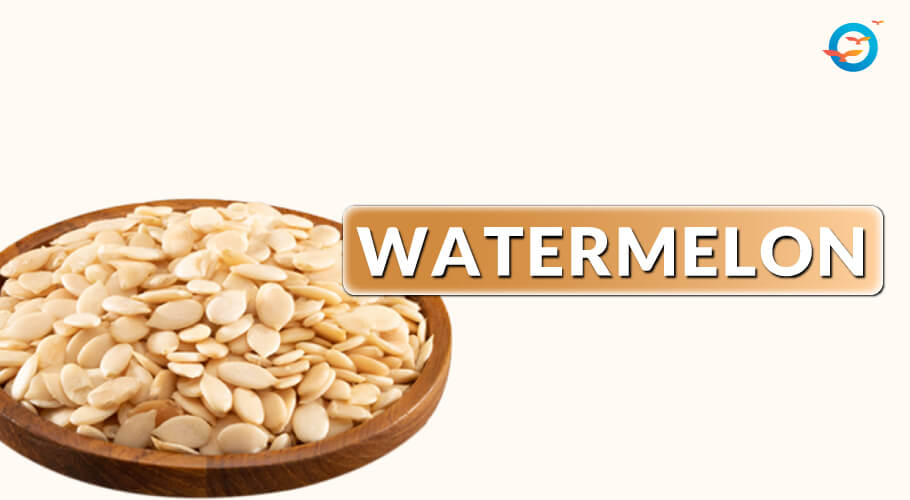
Watermelon is a fruit that we relish during summertime or we can also say it is a summertime favorite. The edible part is sweet and juicy red with black seeds. We mostly tend to neglect the seeds and eat the flesh.
But did you know these are edible and have many health benefits?
- It contains magnesium, iron, zinc, and uniquely 'good fats' in.
- They are low in calories and can be a great replacement for any unhealthy snack.
5. Health benefits of Jackfruit seeds
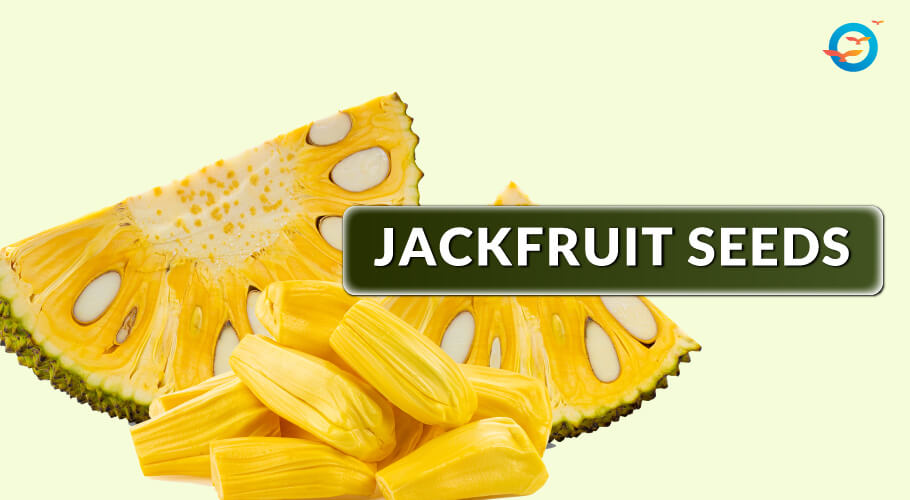
Jackfruit is a unique kind of fruit with green-colored skin, yellow flesh, and whitish-yellow seeds. The yellow flesh that is sweet and tasty is the edible part
Is jackfruit seed good for diabetics?
Yes!
The qualities of jackfruit like their role in reducing inflammation, richness in antioxidants, and the existence of soluble fiber all are helpful in diabetes.
6. Sunflower Seeds Benefits:
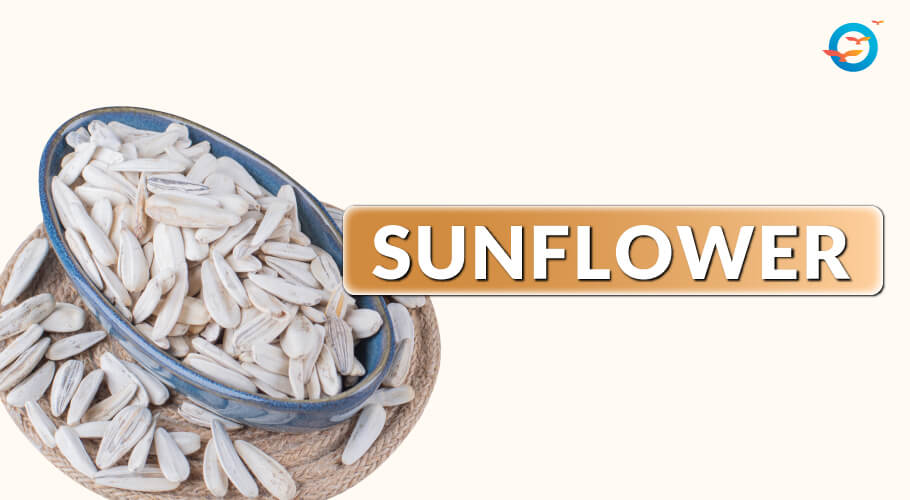
Sunflower seeds are obtained from the big flower heads of the plant. The edible seed variety has a nutty and mild flavor.
To summarize, these are a great crunchy and nutty snack that are packed with plant compounds and various nutrients. These nutrients largely help one fight type 2 diabetes, heart disease, and inflammation. A significant number of people with diabetes include sunflower seeds in their diet as part of their strategy for better glycemic control.
7. Sabja Seeds Benefits:
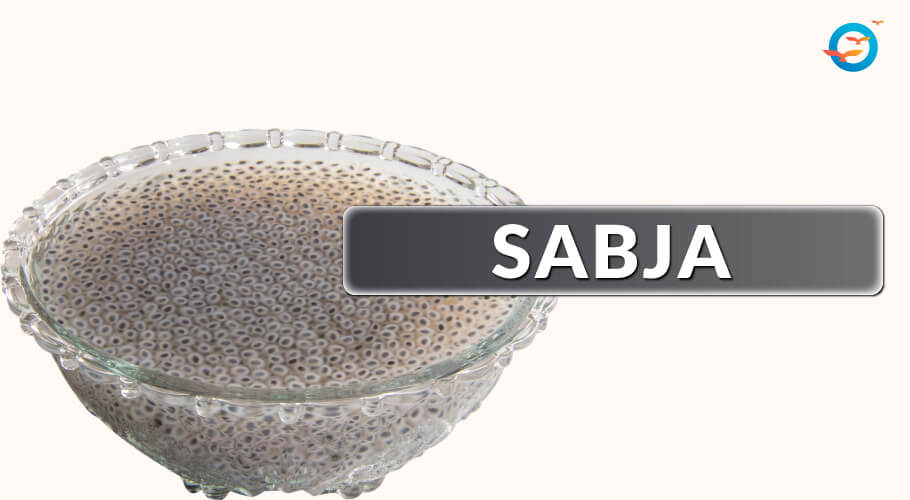
'Sabja seeds' is a very commonly heard term in relation to food items like Falooda, Sherbet, milkshakes, etc. Its slimy texture and tininess are the first things that come to our mind and their addition makes us feel happy.
- It is commonly used to come from sweet basil, Ocimum basilicum. These are black in color and also resemble chia seeds. The other name of sabja is tukmaria.
- The Sabja contains an abundant amount of fiber and provides surprising health benefits in the area of weight loss, relieving constipation, diabetes, etc.
8. Health benefits of Flax seeds:

Up to two tablespoons of flaxseed per day is commonly suggested as a safe portion for people with diabetes. Flaxseeds supply omega-3 fatty acids, lignans and fiber, nutrients associated with lower cholesterol, better heart health and improved blood sugar control; some reports note over 70% of people with diabetes experienced improved glucose management with regular use. A typical serving is relatively low in carbohydrates—one excerpt cites around three grams per serving—so flax can serve as a lower-carb, nutrient-dense addition when stirred into smoothies, sprinkled on salads or mixed into yogurt. Consume flaxseed in moderation as part of an overall balanced diet.
9. Chia Seeds :
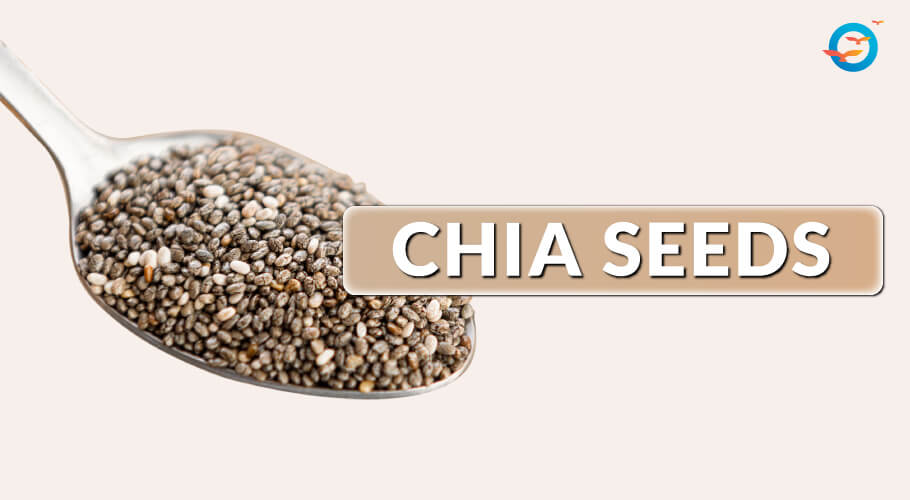
There is evidence that chia seeds can help people with diabetes by improving insulin sensitivity and supporting better blood sugar control. Chia are tiny black seeds from Salvia hispanica that provide fiber, healthy omega‑3 polyunsaturated fats, antioxidants, magnesium and plant protein—nutrients linked with reduced inflammation and improved metabolic responses. A typical one‑ounce serving has roughly 12 grams of total carbohydrates and about 7 grams of polyunsaturated fats; soaking them (for example to make a chia pudding) can make them easier to digest. Observational reports note that more than two‑thirds of people with diabetes experienced improved insulin sensitivity after adding chia to their diets, so their combination of fiber, fats and antioxidants makes them a useful dietary adjunct for many individuals managing blood sugar.
10. Pumpkin Seeds Benefits:
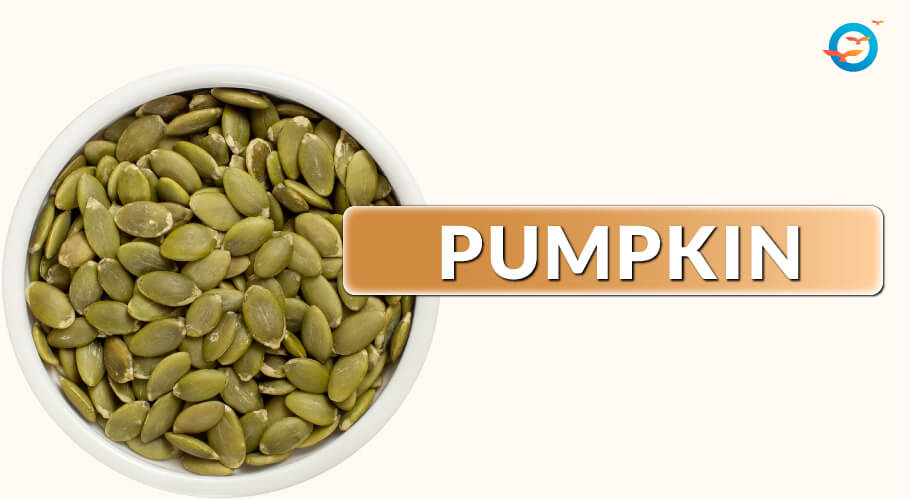
Prepare pumpkin seeds plain and either raw or dry-roasted without sweet coatings, excess oil, or heavy salt, and eat them in controlled portions alongside fiber and protein to keep them diabetes-friendly. Pumpkin seeds supply magnesium, iron, zinc, antioxidants and heart-supporting fats that can help reduce inflammation and support blood-pressure and metabolic health. Regular, modest intake has been associated with measurable improvements in fasting blood glucose (around a 10% drop over a few weeks in some reports) and they can blunt post-meal spikes thanks to their fiber, magnesium, healthy fats and antioxidants. Practical tips: use a two-tablespoon serving (about 3–5 g total carbs and roughly 6 g polyunsaturated fat), toss them into salads, soups, bowls or yogurt, snack on them plain, and avoid candied or heavily salted varieties.
| Also, Read Top 10 diabetes-Friendly Fruits
FAQs
1. Which seeds are best for managing diabetes?
Fenugreek seeds, Sesame seeds, Kalonji seeds, Watermelon Seeds, Jackfruit seeds, Sunflower Seeds, Sabja Seeds, Flax Seeds, Chia Seeds, Pumpkin Seeds.
2. How do flaxseeds help in controlling blood sugar?
Flaxseeds are high in fiber, especially soluble fiber, which helps lower cholesterol levels by slowing down digestion and the absorption of sugar into the bloodstream.
3. Can chia seeds lower blood sugar levels?
Yes, chia seeds can help lower blood sugar levels. They are loaded with antioxidants, have good quality protein, and help in reducing blood sugars and inflammation in the body.
4. Is it safe for diabetics to consume sunflower seeds?
Yes! Sunflower seeds are a diabetic-friendly snack, rich in nutrients like magnesium and fiber. They help regulate blood sugar levels and support overall heart health.
5. What is the role of fenugreek seeds in diabetes management?
Fenugreek seeds are rich in soluble fiber, which slows digestion. They also contain an amino acid (4-OH Ile) that boosts insulin release, helping to control blood sugar levels.
6. Can pumpkin seeds help in preventing blood sugar spikes?
Yes, pumpkin seeds can help prevent blood sugar spikes due to their fiber, magnesium, healthy fats, and antioxidants.
7. Can seeds replace medication for diabetes?
Seeds like flax, chia, and fenugreek support blood sugar control but cannot replace diabetes medication. Consult your doctor before changes.