Are Sprouts Good for Type 2 Diabetes
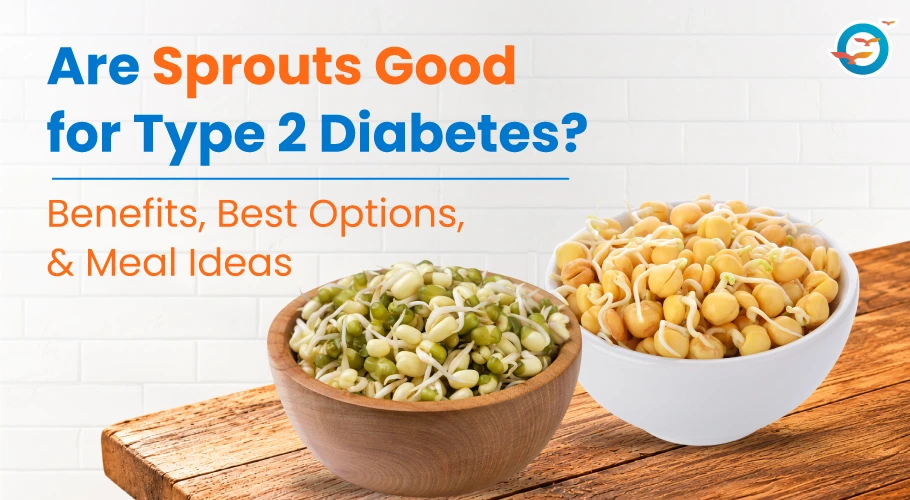
Managing Type 2 diabetes often feels like a constant balancing act between keeping your blood sugar stable and enjoying what you eat. If you are looking for simple, nutrient-rich foods that don't cause sudden glucose spikes, sprouts deserve a permanent spot on your kitchen counter.
Sprouts are exceptional for people with Type 2 diabetes. Rich in dietary fibre, plant-based protein, and essential micronutrients, these seeds offer a powerful combination of low glycemic impact and strong metabolic benefits.
Sprouts and Diabetes: Why Germinated Seeds Work
When a legume or seed germinates, its chemical composition transforms. Starches break down into simpler, easier-to-digest nutrients while anti-nutrients (like phytic acid) decrease. Understanding the advantages of eating sprouts helps explain why they fit so well into a blood-sugar-conscious routine:
- Low Glycemic Index (GI): Sprouts digest slowly, releasing glucose into your bloodstream at a steady rate rather than causing sharp post-meal surges.
- High Soluble & Insoluble Fibre: It acts as a natural speed bump for carbohydrate digestion. It improves insulin sensitivity and keeps you feeling full longer.
- Enhanced Bioavailability: Germination unlocks minerals like zinc, magnesium, and calcium, along with vitamin C and folate, making them easier for your body to absorb.
- Weight Management: High in volume and low in calorie density, adding sprouts to your diet supports gradual weight loss, a key pillar of diabetes reversal.
Nutrition & Calories in Sprouts
Understanding the nutrition of sprouts makes meal planning effortless. The overall calories in sprouts remain low while delivering high amounts of fibre and protein across all common varieties.
|
Sprout Variety |
Calories (per 100g) |
Protein (g) |
Fiber (g) |
Glycemic Load |
|
Moong Sprouts |
~30 kcal |
~3.0 g |
~1.8 g |
Very Low |
|
Chana (Chickpea) Sprouts |
~120–140 kcal |
~7.0 g |
~6.0 g |
Low |
|
Fenugreek (Methi) Sprouts |
~40 kcal |
~4.0 g |
~3.5 g |
Very Low |
|
Sprout Salad (Basic) |
~60–90 kcal |
~4.5 g |
~2.5 g |
Low |
Best Sprouts for Type2 Diabetes Management
When considering what sprouts are good for diabetes, three specific varieties offer the greatest sprouts benefits.
1. Moong Bean Sprouts
Light on the stomach and rich in antioxidants, moong sprouts are an everyday staple. Their impressive fibre-to-carbohydrate ratio helps keep baseline glucose levels steady.
2. Chana (Bengal Gram) Sprouts
Black or green chana sprouts deliver a sturdier dose of complex carbohydrates and plant protein. They take longer to break down in the gut, providing long-lasting energy and preventing mid-afternoon hunger pangs.
3. Fenugreek (Methi) Sprouts
Fenugreek contains an amino acid called 4-hydroxyisoleucine, known to stimulate insulin secretion and lower fasting blood glucose. Though slightly bitter, adding a handful of sprouted methi to your daily routine works wonders for insulin resistance.
Safe Consumption & Preparation Guidelines for Sprouts for Diabetics
How you prepare sprouts for diabetics matters just as much as eating them.
Raw vs Steamed Sprouts
Warm, humid sprouting conditions are ideal for seed growth—and unfortunately, for bacteria like Salmonella and E. coli. Because diabetes can affect immune function, it is best to avoid raw sprouts.
- The Fix: Lightly steam or blanch sprouts in boiling water for 2 to 3 minutes. This kills harmful bacteria while preserving heat-sensitive vitamins and crisp texture.
Timing & Portions
- Best Time: Breakfast or as an afternoon snack when metabolic activity is high.
- Portion Size: 50 to 100 grams per day is ideal for steady blood sugar control without digestive discomfort.
Diabetes-Friendly Meal Pairing Ideas
To experience the full benefits of eating sprouts, pair them with healthy fats, lean protein, and non-starchy vegetables to flatten your glucose curve:
- The Classic Sprout Bowl: Mix steamed moong sprouts with diced cucumber, tomatoes, cilantro, a pinch of chaat masala, and a splash of fresh lemon juice.
- Protein-Boosted Stir-Fry: Toss sprouted chana with sautéed paneer or tofu cubes, bell peppers, and olive oil.
- Smart Cooking Add-Ins: Stir a cup of blanched sprouts into vegetable soups, poha, or savoury besan chilas (gram-flour pancakes).
Beyond Diet: How Freedom from Diabetes Supports Your Reversal Strategy
Adding sprouts to your daily meals is a simple, effective step toward steady blood sugar, but real, lasting health takes a complete strategy. True metabolic well-being comes from addressing nutrition, physical activity, stress, and medical care in harmony.
That is why Freedom from Diabetes focuses on a comprehensive approach to health, combining personalised low-GI meal guidance with tailored movement routines and medical oversight to help you regain natural metabolic balance.
Understanding how your body responds to simple daily habits is often the first step toward lasting vitality. Exploring a structured, evidence-based health protocol can help you discover what a complete lifestyle transformation looks like for your personal journey.
Frequently Asked Questions (FAQs)
1. Are sprouts good for people with type 2 diabetes?
Yes. Sprouts are rich in dietary fibre, plant protein, and antioxidants, which help slow carbohydrate absorption and support insulin sensitivity.
2. Can diabetics eat sprouts every day?
Absolutely. The benefits of eating sprouts daily include consistent fibre intake, improved digestion, and more stable daily glucose patterns when consumed in controlled 50–100g portions.
3. Do sprouts help control blood sugar levels?
Yes. Their low glycemic index and high fibre content make sprouts a highly effective part of sugar-patient diet plans for preventing rapid post-meal spikes.
4. What are the benefits of eating moong sprouts for diabetes?
The benefits of eating moong sprouts come from their high protein (~3 g per 100g) and soluble fibre, which slow glucose uptake without overburdening digestion.
5. How many calories and protein are in 100 grams of sprouts?
Standard 100 grams of sprouts contain 30- 40 kcal and about 3-4 g of protein. However, 100 grams of chana sprouts have higher calories, at roughly 120–140 kcal, due to their higher complex-carb density.
6. What are the calories in sprout salad?
Sprout salad typically has 60 to 90 kcal per bowl when made with fresh vegetables like cucumber, tomato, and lemon juice, without heavy oil dressings.
7. What is the best time to eat sprouts for diabetes?
Morning breakfast or a mid-day snack are ideal times, as your body uses the steady release of complex carbohydrates efficiently.
8. Are raw sprouts safe for people with diabetes?
Raw sprouts carry a higher risk of bacterial contamination. It is safer to steam or blanch them for a few minutes before eating.