The Best Sources of Vitamin E Most People Overlook: Top Health Benefits and Foods
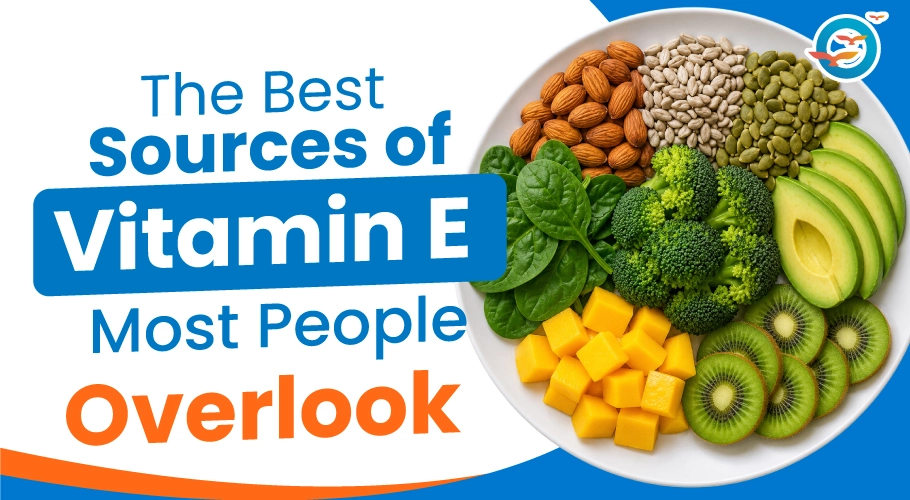
What if one of the most important nutrients for your immune system, skin, and heart health is hiding in foods you already eat?
Vitamin E is often overshadowed by nutrients like protein, calcium, and vitamin D, yet it plays a critical role in protecting your body's cells from everyday damage. Knowing the best sources of vitamin E can help you improve your nutrition naturally without relying on supplements.
Why Is Vitamin E Important?
Vitamin E helps protect the body's cells from oxidative stress caused by free radicals. It also supports immune function, healthy blood circulation, and overall well-being.
Understanding basic nutrition this fat-soluble vitamin requirements is important because even mild deficiencies can affect health over time. For most adults, the vitamin E recommended daily intake is 15 mg per day.
Instead of relying on supplements, focusing on whole foods is one of the most effective and natural ways to get the antioxidant vitamin.
Did You Know?
- ✔ Vitamin E is a powerful antioxidant that helps protect cells from oxidative stress.
- ✔ Nuts and seeds are among the richest natural sources of vitamin E.
- ✔ Spinach and broccoli provide vitamin E along with fiber and other essential nutrients.
- ✔ Wheat germ oil contains one of the highest concentrations of vitamin E among plant-based foods.
- ✔ Avocado is an excellent yet often overlooked source of vitamin E and healthy fats.
Vitamin E by the Numbers
-
38.7% of adults fail to meet the recommended daily intake of vitamin E.
-
Sunflower seeds provide 35.6 mg of vitamin E per 100 grams, making them one of the richest natural sources.
-
Spinach contains 2.03 mg of vitamin E per 100 grams, yet about 42.3% of people are unaware of its contribution.
-
Avocados provide 2.07 mg of vitamin E per 100 grams, but only 18.9% of people consume them regularly.
-
Almonds contain 25.63 mg of vitamin E per 100 grams, yet approximately 29.8% of people do not include them in their weekly meals.
Best Sources of Alpha-tocopherol
- Almonds
The relationship between almonds and vitamin E is well known. A handful of almonds provides a significant amount of vitamin E along with healthy fats, fiber, and protein.
- Sunflower Seeds
Among the most concentrated seeds of vitamin E sources, sunflower seeds stand out. They make a convenient snack and can be added to salads, yogurt, or smoothies.
- Pumpkin Seeds
While pumpkin seeds contain slightly less vitamin E than sunflower seeds, they still contribute to overall intake and provide several other beneficial nutrients.
- Avocado
Avocados are rich in healthy fats and are one of the easiest natural ways to get vitamin E through everyday meals.
- Spinach
Spinach is one of the most popular vitamin E rich vegetables. It also provides iron, folate, and antioxidants that support overall health.
- Broccoli
Broccoli deserves a place among vitamin E rich vegetables due to its nutrient density and antioxidant content.
- Mango
Mango is one of the tastiest vitamin E rich fruits. It supplies vitamin E while also providing vitamin C and beneficial plant compounds.
- Kiwi
Kiwi is another excellent addition to the list of vitamin E rich fruits, offering both antioxidants and immune-supporting nutrients.
Fruits and Vegetables High in Alpha-tocopherol
If you prefer plant-based nutrition, focus on fruits and vegetables high in this essential nutrient such as spinach, broccoli, avocado, mango, kiwi, red bell peppers, and tomatoes.
Including a variety of fruits and vegetables high in vitamin E throughout the week helps support healthy vitamin E levels naturally while adding color and diversity to your meals.
Food First, Supplements Second
For most people, food should be the primary source of nutrients. The best sources of vitamin E not only provide vitamin E but also deliver fiber, healthy fats, minerals, and antioxidants that supplements cannot fully replicate.
By regularly including nuts, seeds, fruits, and vegetables in your diet, you can meet your daily requirements while supporting long-term health. Consistency and variety remain the best natural ways to get vitamin E and enjoy its many benefits.
While vitamin E supplements, especially alpha-tocopherol, may be recommended in cases of confirmed vitamin E deficiency or conditions such as cystic fibrosis that impair fat absorption, most people can meet their needs through a balanced diet. Foods like wheat germ oil, vegetable oils, hazelnuts, peanuts, asparagus, papaya, and even some shellfish are excellent natural sources of vitamin E. Current evidence suggests that taking high-dose vitamin E supplements does not consistently reduce the risk of heart disease, cardiovascular disease, heart attacks, or cancer in healthy individuals, and several placebo-controlled studies have reported limited benefits. Severe deficiency is uncommon but can affect nerve function, vision, and normal development, sometimes contributing to complications such as retinopathy in susceptible individuals. Vitamin E also works alongside nutrients like selenium to help protect cells from oxidative stress. For most people, obtaining vitamin E from whole foods remains the safest and most effective approach, while supplements should only be used under medical guidance when a deficiency or specific medical condition is present.
Can Food Improve Tocopherols and tocotrienols Levels?
Absolutely. For most people, improving dietary choices is the most effective way to increase this powerful antioxidant intake.
Regularly consuming the best sources of vitamin E, including nuts, seeds, fruits, and vegetables, can help maintain healthy levels without requiring supplementation.
Conclusion
Vitamin E plays an essential role in protecting your cells, supporting immunity, and promoting overall well-being. Fortunately, many of the best sources of this powerful antioxidant are common foods that can easily fit into your daily diet.
By including foods like almonds, sunflower seeds, spinach, avocado, and various fruits and vegetables high in vitamin E, you can meet your nutritional needs naturally and support long-term health.
FAQs
-
Which seeds are high in vitamin E?
Sunflower seeds are among the richest seeds of vitamin E sources. Pumpkin seeds and sesame seeds also contribute to vitamin E intake.
-
Are pumpkin seeds rich in Tocopherols and tocotrienols?
Yes, pumpkin seeds contain vitamin E, although sunflower seeds generally provide higher amounts.
-
How do I increase Fat-soluble antioxidant in my body?
Increase your intake of the best sources of vitamin E, including almonds, sunflower seeds, avocado, spinach, and other nutrient-dense foods.
-
How much Fat-soluble antioxidant should I consume daily?
The vitamin E recommended daily intake for most adults is approximately 15 mg per day.
-
Can vitamin E levels improve through diet?
Yes. Regular consumption of fruits and vegetables high in vitamin E, nuts, and seeds can help improve vitamin E levels naturally.
-
Is it better to get Essential antioxidant from food or supplements?
Food is generally preferred because it provides additional nutrients and antioxidants alongside vitamin E.
-
How long does it take to Support optimal vitamin E status?
The timeline varies depending on dietary habits and individual health status, but consistent intake can gradually improve levels over several weeks.
-
What are signs of low vitamin E?
Low vitamin E levels may contribute to muscle weakness, impaired immunity, nerve-related symptoms, and vision problems.
-
What foods help Maintain healthy vitamin E levels?
Almonds, sunflower seeds, avocado, spinach, broccoli, mango, and kiwi are some of the best sources of vitamin E for improving intake naturally.