Should You Skip Dinner to Lose Weight? Here's What Actually Works
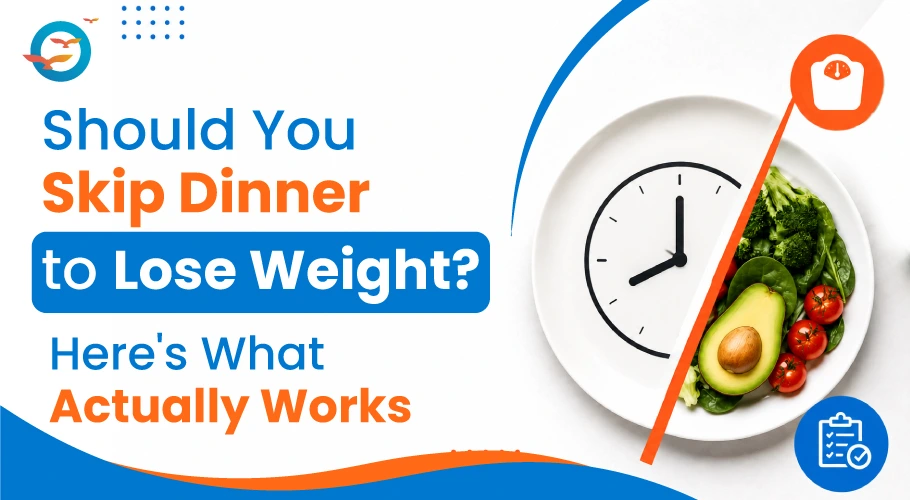
The Truth About Skipping Dinner for Weight Loss
"Skip dinner if you want to lose weight."
It's one of the most common weight-loss tips on the internet. Many people believe that eating one less meal every day is the fastest route to a slimmer body. But if skipping dinner for weight loss was truly the secret, long-term weight loss would be easy for everyone.
The reality is quite different. Weight loss isn't about eating less, it's about nourishing your body properly. In fact, the right dinner can improve your sleep, reduce cravings, and support healthy fat loss. Here's why skipping dinner may not be the shortcut you think it is.
Does Skipping Dinner Really Help You Lose Weight?
Many people try skipping dinner for weight loss because they assume fewer meals automatically mean fewer calories. While it may create a calorie deficit temporarily, it doesn't always lead to sustainable fat loss.
If your body isn't getting enough nutrients during the day, skipping dinner often backfires. You may wake up hungrier, overeat at breakfast or lunch, and crave sugary or processed foods. That's why simply asking, "Should I skip dinner to lose weight?" misses the bigger picture. Sustainable weight loss depends on overall nutrition, not just meal timing.
Why Skipping Dinner Can Slow Weight Loss?
Your body performs best when it's well nourished. If you regularly skip meals without meeting your nutritional needs, hunger hormones increase, energy levels drop, and cravings become stronger.
Many people also become less active because they simply don't have enough fuel. This makes weight loss skipping dinner less effective than expected.
Another overlooked concern is sleep. Going to bed hungry may affect sleep quality, and poor sleep is linked with increased appetite and poorer metabolic health the next day.
So, is it healthy to skip dinner every day? For most people, not if it leaves them constantly hungry, tired, or struggling to maintain healthy eating habits.
A Healthy Dinner Can Support Weight Loss
Dinner itself isn't the problem poor food choices are.
Instead of eliminating the meal, focus on preparing dinner meals for weight loss that include protein, fibre, healthy fats, and plenty of vegetables. A balanced dinner keeps you satisfied, supports muscle recovery, and helps you sleep better.
Good sleep is essential because your body carries out many repair and recovery processes overnight. Better sleep also helps regulate hunger hormones, making it easier to stay on track the following day.
Healthy dinner ideas include:
- Dal with vegetables
- Paneer or tofu with salad
- Grilled fish with sautéed vegetables
- Vegetable soup with sprouts
Are There Any Benefits of Skipping Dinner?
Some people experience benefits of skipping dinner when it's part of a medically supervised fasting plan. However, these benefits depend on meeting your nutritional needs first.
If your diet is already unbalanced, skipping dinner usually creates more problems than solutions. Instead of wondering "Is it okay to skip dinner?", focus on improving the quality of every meal you eat.
The Bottom Line
There is no need to stop eating dinner to lose weight faster. While skipping dinner for weight loss may sound appealing, it often leads to hunger, cravings, and inconsistent eating habits.
A balanced dinner supports better sleep, improves recovery, and makes healthy eating easier to sustain. Rather than asking "Is it okay to skip dinner to lose weight?", focus on nourishing your body with wholesome meals, regular activity, and quality sleep. Those habits, not meal skipping, are what create lasting results.
Need expert guidance? Explore how a dietitian for weight loss can help you build healthy habits that last.
FAQs
1. Does skipping dinner help lose weight?
Skipping dinner may reduce calorie intake temporarily, but sustainable weight loss depends on your overall eating pattern and lifestyle.
2. Is it healthy to skip dinner?
For most people, regularly skipping dinner isn't necessary. A balanced evening meal is usually a healthier approach.
3. What are the benefits of skipping dinner?
Some people may see benefits when it is part of a structured fasting plan under professional guidance and adequate nutrition.
4. What are the side effects of skipping dinner?
Common side effects include hunger, fatigue, cravings, overeating later, and poor sleep.
5. What are some low-calorie meals for weight loss?
Dal with vegetables, paneer salad, tofu stir-fry, vegetable soup, sprouts, and grilled fish are excellent dinner meals for weight loss.
6. Who should avoid skipping dinner?
Children, pregnant women, older adults, and people with diabetes or other medical conditions should consult a healthcare professional before skipping meals.
7. Is skipping dinner better than eating a low-calorie dinner?
No. A balanced low-calorie dinner is generally healthier and more sustainable than skipping dinner altogether.
8. Does eating dinner late affect weight loss?
Late-night eating can contribute to excess calorie intake, but meal quality and total daily intake matter more than timing alone.
9. How many calories should dinner have for weight loss?
There is no fixed number. Your dinner should fit within your daily calorie and nutrition requirements.
10. Which foods should you avoid at dinner for weight loss?
Limit sugary desserts, deep-fried foods, refined carbohydrates, and highly processed foods.