6 Lifestyle Changes to Improve Your Lipid Profile Naturally

Everyday Habits That Can Support Your Lipid Profile
Many people believe that improving cholesterol means avoiding all fats or depending entirely on medicines. While medication is important for some people, it isn't the only way to improve your heart health.
Your lipid profile is greatly influenced by your daily habits. The food you eat, how active you are, your sleep, stress levels, and even whether you smoke all play a role. If you're wondering how to improve lipid profile naturally, the answer lies in making consistent lifestyle changes not following quick fixes.
What Is a Lipid Profile?
A lipid profile is a blood test that measures the different types of fats in your blood. It includes:
- LDL (Low-Density Lipoprotein): Often called bad cholesterol because excess LDL can build up in the arteries.
- HDL (High-Density Lipoprotein): Known as good cholesterol because it helps remove excess cholesterol from the bloodstream.
- Triglycerides: A type of fat that stores excess energy. High levels increase the risk of heart disease.
- Total Cholesterol: The overall amount of cholesterol in your blood.
Maintaining the right balance between good and bad cholesterol while keeping triglycerides under control is essential for long-term heart health.
1. Eat More Fibre-Rich Whole Foods
One of the most effective foods to lower LDL cholesterol is fibre-rich whole foods.
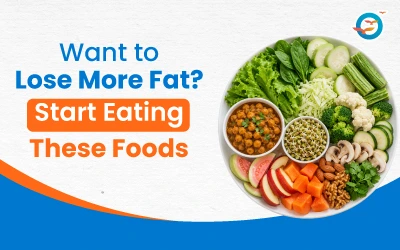
Green leafy vegetables, gourds, cruciferous vegetables, whole pulses, seasonal fruits, nuts, and seeds contain soluble fibre, which helps remove excess cholesterol from the body. These foods also support gut health and keep you fuller for longer, making it easier to maintain a healthy weight.
Building cholesterol healthy meals around whole, minimally processed foods is one of the simplest ways to improve your lipid profile.
2. Reduce Ultra-Processed Foods
Highly processed foods are often rich in refined flour, added sugars, unhealthy fats, and excess calories. Regularly consuming sugary beverages, packaged snacks, bakery products, and deep-fried foods can increase LDL cholesterol, raise triglycerides, and promote inflammation.
Replacing processed foods with fresh, home-cooked meals is a small change that can have a big impact on your heart health.
3. Achieve and Maintain a Healthy Weight
Carrying excess body weight often affects cholesterol and triglyceride levels.
Research shows that losing even 5–10% of your body weight can improve LDL, increase HDL, and reduce triglycerides naturally. Sustainable weight loss through healthy eating and regular physical activity delivers much better long-term results than crash diets.
4. Make Exercise a Daily Habit
Regular physical activity is one of the most effective forms of exercise to lower cholesterol.
Brisk walking, cycling, swimming, yoga, and resistance training all help improve circulation, raise HDL cholesterol, and reduce triglycerides naturally. Aim for at least 30 minutes of moderate activity on most days of the week.
5. Prioritize Sleep and Manage Stress
Poor sleep and chronic stress don't just affect your mood they also impact your metabolism and heart health.
Long-term stress and inadequate sleep can increase inflammation, worsen insulin resistance, and negatively affect cholesterol levels. Prioritizing quality sleep and practicing relaxation techniques such as meditation, deep breathing, or yoga can support a healthier lipid profile.
6. Avoid Smoking and Limit Alcohol
Smoking lowers protective HDL cholesterol and damages blood vessels, increasing cardiovascular risk. Excess alcohol intake can significantly raise triglyceride levels.
Quitting smoking and limiting alcohol are among the most effective lifestyle changes for improving overall heart health.
7. Lifestyle Changes Work Best Together
No single food, exercise, or supplement can transform your lipid profile overnight. The greatest improvements happen when healthy eating, regular movement, weight management, quality sleep, stress reduction, and avoiding tobacco become part of your daily routine.
Small, consistent habits create lasting improvements in cholesterol levels and reduce the risk of heart disease over time.
Curious about how diabetes can affect your cholesterol levels? Visit our blog to explore the connection between diabetes and high cholesterol.
Final Thoughts
If you're looking for how to improve lipid profile, don't focus on one nutrient or one medicine alone. A healthy lifestyle addresses the root causes of abnormal cholesterol. Eating fibre-rich whole foods, staying physically active, maintaining a healthy weight, sleeping well, managing stress, and avoiding smoking can all work together to improve your lipid profile naturally and protect your heart for years to come.
FAQs
1. What are the signs of an unhealthy lipid profile?
An unhealthy lipid profile usually doesn't cause symptoms. Most people discover high cholesterol or triglycerides through a routine blood test. In severe cases, it may increase the risk of heart disease or stroke over time.
3. How often should I check my lipid profile?
Healthy adults should generally check their lipid profile every 4–6 years. People with diabetes, high cholesterol, heart disease, or other risk factors may need more frequent testing as advised by their doctor.
3. Can quitting smoking improve cholesterol?
Yes. Quitting smoking can increase HDL (good cholesterol), improve blood vessel function, and reduce your overall risk of cardiovascular disease.
4. Can diet alone improve lipid profile?
Diet plays a major role, but the best results usually come from combining healthy eating with regular exercise, weight management, good sleep, stress reduction, and avoiding tobacco.
5. Why is my LDL high but everything else is good?
High LDL can result from genetics, diet, physical inactivity, or certain medical conditions. Even if other values are normal, elevated LDL should be evaluated and managed appropriately.
6. Can walking 30 minutes a day lower cholesterol?
Yes. Brisk walking for about 30 minutes most days of the week can help improve HDL cholesterol, lower triglycerides, and support overall cardiovascular health.
7. What foods should I avoid if I have high cholesterol?
Limit sugary drinks, refined flour products, deep-fried foods, bakery items, processed snacks, and foods containing trans fats or excessive added sugars.
8. Which spices can help lower cholesterol?
Spices like turmeric, garlic, cinnamon, ginger, and fenugreek may support heart health when included as part of a balanced diet, but they should not replace medical treatment or other lifestyle changes.
10. What is the best vegetable to fight cholesterol?
There isn't one "best" vegetable. Green leafy vegetables, broccoli, cabbage, cauliflower, gourds, and other fibre-rich vegetables all support healthy cholesterol levels.
11. What is the number one fruit that lowers cholesterol?
No single fruit is the best. Fibre-rich fruits such as apples, guava, oranges, pears, berries, and pomegranate can all support healthy cholesterol as part of a balanced diet.