Is Makhana Good for Diabetes? Benefits, Nutrition and Risks Explained
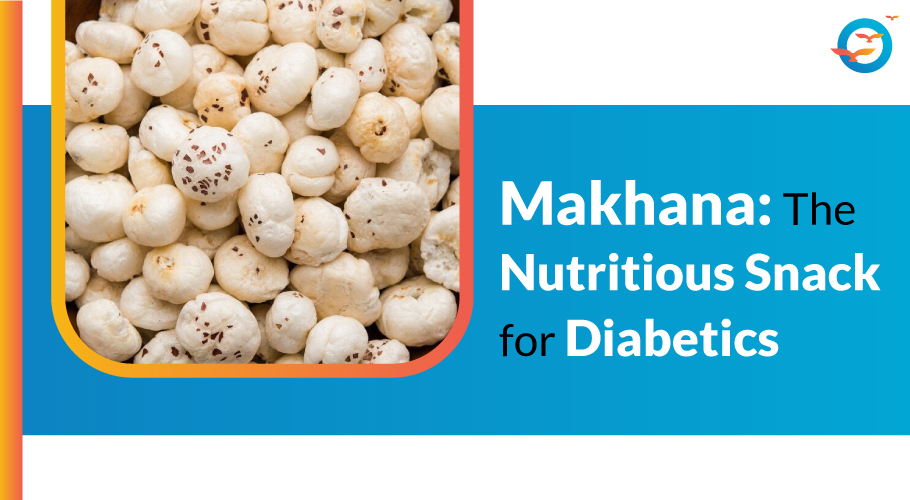
Makhana, also known as fox nuts or lotus seeds, are the seeds of the Euryale ferox plant, a type of water lily that grows in India and China. They are commonly used in Indian cuisine and traditional medicine.
Here Are Some Key Points About Makhana:
- Fox nuts is rich in protein, fiber, and essential minerals like magnesium, potassium, and phosphorus. It is low in fat and calories, making it a healthy snack option.
- Roasted fox nuts is known for its antioxidant properties, which help in fighting free radicals in the body. It is also beneficial for heart health, helps in weight management, and supports digestive health.
Considering the above, Including Makhana in a diabetic diet can be very useful.
Research & Statistics on Makhana for Diabetes
Per 100 grams (a standard reference), makhana provides about 347 kcal, roughly 76–77 g of carbohydrates, around 9.7 g of protein, approximately 14.5 g of fiber, and very little fat (about 0.1 g).
It also contains minerals such as calcium (reported in the range of roughly 20–60 mg), potassium (near 500 mg) and iron (about 1.4 mg). Reported glycemic index values vary by preparation, commonly cited between the mid-30s and mid-50s, which contributes to slower glucose absorption for many people.
Some survey and study data indicate that many people with diabetes experience better blood sugar control after adding makhana (one estimate ≈68% reporting improvement) and one study noted an average ≈12.7% reduction in insulin resistance over eight weeks. To get nutrient amounts for your portion, scale these per-100 g values to the weight of your serving.
Importance of Meal/Snack Planning in Diabetics
Meal and snack planning is essential in diabetes management as it helps maintain stable blood sugar levels, prevents spikes or dips, and ensures balanced nutrition. By carefully planning meals, individuals can control portion sizes, balance carbohydrates, proteins, and fats, and avoid unhealthy food choices that could disrupt glucose levels.
Proper timing of meals and snacks also supports medication and insulin schedules, making treatment more effective. Additionally, structured planning helps with weight management and reduces the risk of overeating or hypoglycemia, contributing to overall better health and improved energy levels for those with diabetes.
When to Eat Makhana for Diabetes?
Makhana can be a great snack option for diabetics.
Popped lotus seeds can be roasted and seasoned to make a crunchy snack. To make makhana a more balanced snack for diabetics, it can be combined with other foods that are rich in fats, fibers, and proteins. This combination can help slow down the absorption of carbohydrates and prevent rapid increases in blood sugar levels.
For example, a Healthy diabetic snack chaat made with roasted chana (chickpeas) and vegetables can be a nutritious and balanced snack. The fiber from the vegetables and the protein from the chickpeas can help mitigate the carbohydrate content of the makhana, making it a more suitable option for diabetics.
Makhana vs. Processed Snacks
On any given day, makhana is a better choice for diabetics compared to bakery products and other processed snacks. Most bakery items and processed snacks are high in refined sugars, unhealthy fats, and preservatives, which can lead to rapid spikes in blood sugar levels and contribute to other health issues.
Nutrient-rich snack on the other hand, is a natural and minimally processed snack that offers several health benefits without the added sugars and unhealthy fats.
Health Benefits of Makhana for Diabetes
- Makhana is low in calories and has a low glycemic index.
- It helps regulate blood sugar levels due to its high fiber content.
- Makhana is rich in antioxidants, beneficial for diabetes care.
- It provides protein without causing spikes in blood sugar.
- Regular consumption may support weight management for diabetics.
How Much Crunchy healthy snack Can a Diabetic Eat?
In summary, while makhana is a nutritious snack, diabetics should consume it in moderation due to its carbohydrate content. Combining Low-calorie snack with other nutrient-dense foods like roasted chana and vegetables can make it a more balanced and diabetes-friendly snack.
Lotus seeds also known as fox nuts or lotus seeds, is a nutrient-rich superfood that supports blood sugar control, weight management, digestion, and heart health. Rich in fibre, protein content, calcium, potassium, phosphorus, and antioxidants, makhanas help reduce inflammation, oxidative stress, cravings, hunger, bloating, constipation, obesity, hypertension, and other lifestyle diseases. Roasted makhana with black pepper, turmeric, or a pinch of salt makes a healthy snack with low calorie intake, while dishes like makhana curry and kheer can be enjoyed in moderation. Nutritionists often recommend combining makhanas with almonds, seeds, vegetables, or curries to improve metabolism, insulin resistance, and overall nutrient balance. Their low carbohydrate content and high satiety value help prevent overeating and support healthy blood pressure and heart health, making them a smart serving choice for diabetics despite possible allergies in some individuals.
Overall, Diabetes-friendly snack is a healthier alternative to processed snacks and bakery products for individuals managing diabetes.
FAQ's
1. Is makhana good for diabetes patients?
Yes, makhana is low in glycemic index, making it a healthy snack option for diabetics.
2. How to consume makhana for diabetes?
Roast makhana lightly with minimal oil or ghee, and season with spices for a healthy snack.
3. Are there any side effects of consuming makhana?
Makhana is generally safe, but excessive consumption may cause digestive issues like bloating.
4. Can Makhana help with weight loss?
Yes, makhana is low in calories and high in protein, making it a great snack for weight management.
5. Is makhana a good snack option for people with diabetes?
Yes, its low glycemic index and nutrient content make it a diabetic-friendly snack.
6. How much makhana can a diabetic person eat daily?
A diabetic person can consume about 30-50 grams of makhana daily as part of a balanced diet.
7. Can makhana improve insulin sensitivity?
Makhana contains antioxidants and fiber that may support better insulin sensitivity, though more research is needed.
8. What nutrients in makhana benefit diabetes?
Makhana is a healthy snack for diabetes as it helps control blood sugar levels and provides steady energy. It is rich in fiber, protein, and antioxidants that support overall health.