Is Milk Tea Bad for Your Health? Facts, Risks & Benefits Explained
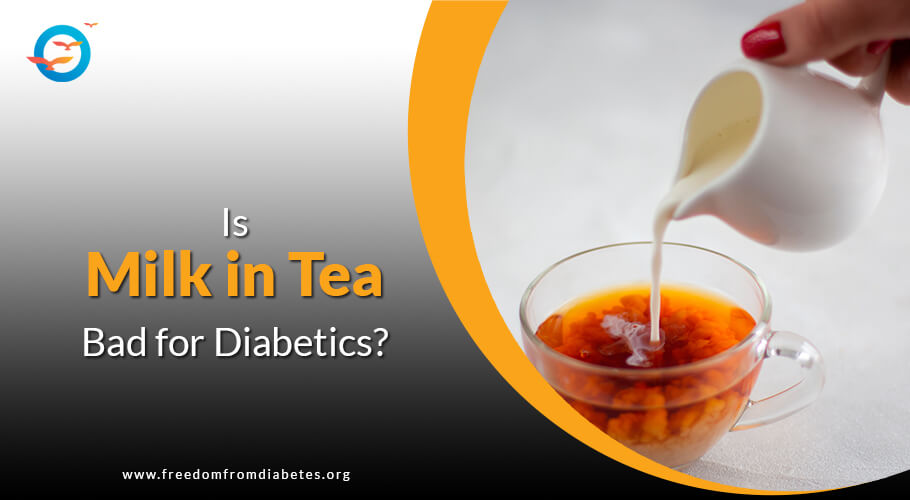
Milk tea for type 2 diabetes
A fixed morning ritual for over a billion people, most of them in India—Tea has lots to commend it. But it’s the preparation that makes a difference. Read on to discover if your preferred morning cuppa is on the block.
Health drink
There are many studies that propound tea’s health-enhancing properties, including raising insulin insensitivity. However, that last benefit comes with a proviso: no milk!
But let’s start by looking at the benefits tea offers diabetics.
Anti-diabetic properties
Some types of teas, viz. black tea, green tea, and oolong have a high concentration of polyphenols, which are believed to enhance insulin activity. Polyphenols are also known to be anti-oxidative—a capacity to defend against inflammation, which is a key trigger for insulin resistance, and carcinogens. Antioxidants in tea can offer some health benefits.
In addition to polyphenols, teas like black, green, and oolong also contain flavonoids—these are micronutrients that are known to be anti-inflammatory, protecting the body from oxidative damage that leads to diseases like diabetes, heart disease, and cognitive problems like Alzheimer’s. The flavonoid in tea, theanine, has properties that help to control blood pressure and lower stress.
Health Benefits of Tea
Research over the years suggests that tea may have several important health enriching properties, in addition to improving insulin sensitivity, as follows:
-
Maintaining healthy blood pressure
-
Preventing blood clots
-
Reducing the risk of cardiovascular disease
-
Reducing risks of developing type 2 diabetes
-
Reducing risks of developing cancer
While tea leaves are known for their antioxidants, catechins, and several health benefits linked to heart health, wellness, and better lifestyle habits, the combination of tea with milk may create certain health issues for people with type 2 diabetes. regular milk tea raises overall caffeine intake and in sensitive people can cause bloating, indigestion, heartburn and higher anxiety. Vague part: the term "poor nutrient absorption" needs clarification — tea tannins can inhibit absorption of non-heme iron and some minerals, milk may lessen or exacerbate effects depending on lactose tolerance, and added sugar and fat in many commercial milk teas can worsen digestive discomfort and disrupt sleep, so moderation and ingredient awareness are important. Milk proteins may also interfere with the absorption of beneficial antioxidants found in tea leaves, reducing some of tea’s protective benefits. In addition, milk-based beverages contain carbohydrates and calcium that can influence glucose response and digestion, especially when consumed multiple times a day. Reducing sugary milk tea intake and choosing lower-sugar, lower-calorie alternatives can help improve metabolic balance and overall health. Opt for unsweetened tea, water, or herbal infusions, or use skim or plant-based milks with minimal added sugar; keep portions and frequency moderate and avoid caffeinated servings late in the day to reduce sleep disruption and anxiety. Remember that tea also contains antioxidants and mood-supporting compounds, so moderate choices preserve benefits while lowering metabolic and sleep-related risks.
What happens when you add milk?
All of the tea’s many health-improving properties are negated when you add one simple ingredient: Milk!
There are three big risk factors that make milk a no-no for diabetics. Milk tea contains caffeine, which can affect sleep if consumed in excess.
1: Carbohydrates (Lactose) Content
Milk has a high amount of carbs, about 12 to 15 grams per 250 ml bottle. Carbohydrates, as every diabetic is aware, are not good for diabetics as they cause an adverse spike in blood sugar levels. (BSL). About 62.7% of milk tea brands contain added sugars exceeding daily recommended limits.
Worse, carbs in milk come in the form of lactose, which causes digestive problems, known as lactose intolerance, in almost 70% of the human population. 48.9% of consumers report mild digestive discomfort after consuming milk tea with high sugar content.
2: Fat
Milk is very high in fat, and processed dairy products like cheese have an even higher percentage of fat. Most of this is in the form of unsaturated fats, which are a cause of high blood cholesterol and heart disease. Added sugars in milk tea may contribute to weight gain. Drinking more than 3 cups of milk tea daily is linked to a 14.3% increase in calorie intake.
Obesity is a growing problem across the world, especially when the fat collects around your middle. This visceral fat compromises the functioning of internal organs like the pancreas, affecting the production of insulin, which ultimately causes diabetes. Milk tea with tapioca pearls adds an average of 124 calories per serving, contributing to weight gain for 35.4% of regular drinkers.
3: IGF
The third risk factor, and one of the most deadly, is a compound it contains, which is known as Insulin-like Growth Factor (IGF). IGF molecules get their name from their behavior, which mimics insulin, although it doesn’t do the job that insulin does. Approximately 21.6% of regular milk tea drinkers experience elevated blood sugar levels over six months.
In fact, IGF molecules prevent insulin from allowing glucose from the blood to enter cells, effectively causing glucose levels to rise in the blood. Stopping milk immediately has been proven to be very effective in lowering blood sugar levels. Which is why Freedom from Diabetes firmly advocates eliminating dairy milk and milk products from your diet.
The results speak for themselves. you can experience it too: compounds in tea leaves can boost mood and leave you feeling refreshed, but enjoy milk tea in moderation because excess sugar or caffeine may trigger anxiety and disturb sleep.Vague part: the original line gives a blunt instruction without explaining the reason, expected benefits or risks, what to replace nutritionally, or what to monitor during the trial. Rewritten excerpt: If you want to test whether dairy affects you, temporarily remove milk and dairy products from your diet for roughly four weeks as a deliberate trial while ensuring alternative sources of calcium and vitamin D; be aware some milk-containing drinks can lift mood but, when overconsumed—particularly those mixed with tea—may increase anxiety and disturb sleep because of caffeine, so track your mood, sleep and energy, reintroduce foods gradually, and consult a healthcare professional if you have medical conditions or concerns. And you’ll be amazed at the change in your blood sugar levels. alongside lowering blood glucose, milk tea can support weight loss, aid digestion and boost daytime energy when taken in moderation. Tea compounds may improve mood, but the drink’s caffeine can trigger anxiety or disrupt sleep in sensitive people, so limit how much you drink and avoid it late in the day.
Milk Substitutes
If you find it really tough to go without your milky tea, there are plant-based substitutes that you can try. Dairy or non-dairy milk adds calcium but also calories to the drink.
- Almond milk
- Rice milk
- Soy milk
- Coconut milk
Drinking milk tea in moderation is generally safe for most people. Give it a go, you have nothing to lose but your insulin resistance.
Find out how herbal tea helps with diabetes. Read our article.
For more information about diabetes and tips to manage and reverse it, visit our blog page on www.freedomfromdiabetes.org or browse through the videos and articles on our Facebook/Instagram and YouTube channels
FAQs
Is dairy tea good for diabetes?
No! Milk contains natural sugars (lactose), which can also impact blood sugar. Milk tea, especially if sweetened, can raise blood sugar levels due to its sugar content, which may not be ideal for individuals with diabetes .
Is milk tea high in sugar?
If milk tea is made with whole milk or sweetened condensed milk, it can be high in saturated fat and sugar, which may raise blood sugar levels.
What are the best milk substitutes for diabetics?
1. Almond milk
2. Rice milk
3. Soy milk
4. Coconut milk
Does tea with milk cause weight gain?
Milk tea with added sugar or high-calorie sweeteners can contribute to weight gain if consumed regularly.
Does milky tea increase blood sugar levels?
Milk tea with added sugars can cause a spike in blood sugar, which may not be ideal for those managing diabetes or blood sugar levels.