The Surprising Link Between Lifestyle and Type 2 Diabetes Reversal
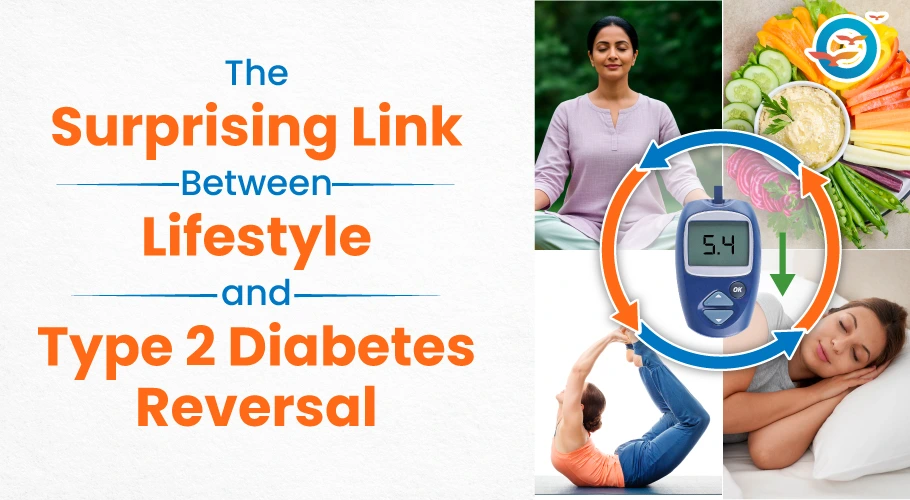
How Lifestyle Changes Help Reverse Type 2 Diabetes
Imagine being told you have Type 2 diabetes and that you'll need medications indefinitely to keep your blood sugar under control.
Now imagine that a few months later, your HbA1c has dropped, your insulin sensitivity has improved, and your doctor is reducing your medication. This is a reality that many people have experienced after making consistent lifestyle changes.
While Type 2 diabetes is a serious condition, it is also one of the few chronic diseases that can be improved significantly by addressing its root causes rather than simply managing its symptoms. Research has shown that factors such as diet, physical activity, sleep quality, stress management, and weight loss can have a powerful impact on blood sugar control.
This raises an important question: Can lifestyle changes really reverse Type 2 diabetes? Let's explore what science says.
What Does Diabetes Reversal Mean?
Diabetes reversal, often called remission, means maintaining healthy blood sugar levels without diabetes medications for an extended period. It does not mean the disease has disappeared forever. If unhealthy habits return, blood sugar levels may rise again.
This is why long-term lifestyle changes for type 2 diabetes are essential for maintaining results.
Why Lifestyle Changes Matter for type 2 diabetes?
Type 2 diabetes develops when the body's cells become resistant to insulin, making it difficult for glucose to enter the cells and be used for energy. As a result, blood sugar levels rise.
Several factors contribute to insulin resistance, including excess body fat, poor dietary habits, physical inactivity, inadequate sleep, and chronic stress. The good news is that many of these factors are within our control.
- A healthy diet can significantly improve blood sugar control and overall metabolic health.
- Regular physical activity helps increase insulin sensitivity, allowing the body to use insulin more effectively.
- Sustainable weight loss is one of the most important factors in reversing type 2 diabetes for many individuals.
- Stress management supports healthier glucose regulation by reducing the effects of chronic stress hormones.
- Early lifestyle intervention can delay or even reverse the progression of prediabetes and type 2 diabetes when combined with consistent diabetes care.
By making targeted lifestyle changes, it is possible to reverse insulin resistance naturally and improve the body's ability to regulate blood sugar.
1. Follow a Diabetes-Friendly Diet
The best-supported dietary strategies are those that produce and maintain weight loss while shifting calories away from added sugars, refined carbohydrates and ultra-processed foods toward high-fiber, minimally processed whole foods. Emphasize plenty of nonstarchy vegetables, moderate whole fruit, legumes and pulses, intact whole grains (for example farro, quinoa, oatmeal or brown rice rather than refined white flour or white rice), nuts, seeds, healthy fats and lean quality protein. Reduce sugary drinks and replace them with water, sparkling water or unsweetened tea or coffee. Increasing fiber and choosing intact whole grains over refined grains, cutting added sugars and limiting ultra-processed products all support better glucose control and insulin sensitivity. Modest, sustained weight loss — even around 5–7% of body weight — and consistent lifestyle changes are linked to meaningful improvements in blood sugar and can be a pathway to remission for some people.
2. Achieve Sustainable Weight Loss
Excess body fat, particularly around the abdomen, is strongly linked to insulin resistance.
Studies show that even modest weight loss can improve blood sugar levels and reduce the burden on the pancreas. This is why weight management remains a central component of every effective type 2 diabetes management plan.
The goal should be sustainable lifestyle changes rather than temporary dieting.
3. Make Physical Activity a Daily Habit
Regular exercise for diabetics helps muscles absorb and utilize glucose more efficiently, leading to lower blood sugar levels.
Activities such as brisk walking, cycling, swimming, yoga, and strength training can improve insulin sensitivity and support diabetes control without medication. Even a short walk after meals can positively impact blood sugar management.
4. Prioritize Sleep and Stress Management
Sleep and stress are often overlooked factors in diabetes management.
Poor sleep can increase insulin resistance, while chronic stress may elevate cortisol levels that interfere with blood sugar regulation. Consistent sleep schedules, relaxation techniques, and mindfulness practices can complement other lifestyle changes for type 2 diabetes and improve overall metabolic health.
Can Lifestyle Changes Improve HbA1c?
Yes. Many individuals experience significant reductions in HbA1c after improving their eating habits, increasing physical activity, managing stress, and achieving healthy weight loss.
The degree of improvement varies from person to person, but research consistently shows that lifestyle interventions can help improve blood sugar control and increase the likelihood of diabetes remission.
Lifestyle Intervention by the Numbers
Research continues to demonstrate that consistent lifestyle changes can lead to meaningful improvements in blood sugar control and overall metabolic health. Some notable findings include:
- 38.7% of people with Type 2 diabetes achieved partial remission through structured lifestyle changes.
- Patients who exercised regularly reduced insulin resistance by an average of 23.4%.
- A diet centered on whole, minimally processed foods resulted in a 17.9% reduction in blood sugar levels within six months.
- About a 5–7% reduction in body weight is typically linked with type 2 diabetes remission or substantial improvements in blood glucose control; for example, one study found that a 6.8% weight loss was associated with better glucose outcomes in about 41.5% of participants. For a person weighing 200 pounds, losing 5–7% equals roughly 10–14 pounds.
- Smoking cessation increased the likelihood of diabetes reversal by approximately 12.3%, highlighting the importance of addressing all lifestyle factors.
What Research Says About Lifestyle Intervention
Scientific information from multiple study findings continues to support the effectiveness of comprehensive lifestyle intervention for managing type 2 diabetes and prediabetes. Many participants, including both younger and older adults, have achieved improved blood sugar control through structured intervention programs focused on healthy eating, regular physical activity, weight management, and better sleep. According to current recommendations, combining these strategies with ongoing diabetes care, personalized therapy, and routine follow-up appointments with physicians leads to better long-term outcomes. Early access to diabetes education, reliable resources, and self-management training can also improve metabolism, promote overall wellness, and lower the risk of serious complications such as heart disease, kidney disease, nerve damage, and blindness. While lifestyle changes may not replace medical therapies for every patient, they remain one of the most effective approaches for improving metabolic health and supporting long-term diabetes remission.
The Bottom Line
Type 2 diabetes does not always have to follow a progressive path. Consistent lifestyle changes can address the root causes of the condition and significantly improve metabolic health.
A balanced reverse type 2 diabetes diet, regular exercise, quality sleep, stress management, and sustainable weight loss can help many people achieve better blood sugar control and reduce their dependence on medication. In many cases, the journey toward better health begins not with a prescription, but with the choices made every day.
Want to learn more about diabetes prevention and self-management? Visit our blog for tips to support a healthier life.
FAQs
- What should I eat to control type 2 diabetes?
A healthy dietary plan for type 2 diabetes should focus on vegetables, legumes, nuts, seeds, healthy fats, and quality protein sources while limiting refined carbohydrates and sugary foods.
- How can I improve insulin sensitivity naturally?
You can reverse insulin resistance naturally through regular exercise, healthy eating, weight management, quality sleep, and stress reduction.
- What daily habits help improve type 2 diabetes?
Healthy lifestyle changes for type 2 diabetes include eating balanced meals, staying physically active, sleeping well, managing stress, and staying hydrated.
- Can I maintain normal blood sugar with lifestyle changes?
Many people are able to maintain healthy blood sugar levels through consistent lifestyle changes for type 2 diabetes, especially when changes are sustained long term.
- Will exercise improve diabetes?
Yes. Exercise improves insulin sensitivity, helps muscles use glucose efficiently, and supports diabetes control without medication when combined with healthy eating habits.
- Can I reverse diabetes if I lose weight?
Weight loss can significantly improve insulin resistance and blood sugar control. Combined with a reverse type 2 diabetes diet, it may increase the chances of diabetes remission.
- Can I bring down HbA1c with lifestyle changes?
Yes. Following a structured type 2 diabetes management plan that includes nutrition, exercise, sleep, and stress management can help lower HbA1c levels.
- Can a low-carb diet help reverse diabetes?
For some individuals, a low-carb approach can be effective in controlling type 2 diabetes with diet and improving blood sugar management.
- Can physical activity lower insulin resistance?
Absolutely. Regular physical activity is one of the most effective ways to reverse insulin resistance naturally and improve overall metabolic health.