Best South Indian Diabetes-Friendly Dinner Recipes for Healthy Living: Delicious & Nutritious Options
Dinner is the meal that is taken in the evening. It is important like any other meal and eating a healthy and light dinner is always advisable. This helps one in many ways. It does not load you and helps in getting better sleep too. Over 72% of South Indian diabetes patients prefer dinner recipes with low glycemic index ingredients. Over 65% of South Indian diabetics prefer meals rich in fiber for dinner.
Like all other regions,Southern Indian cuisine is also loaded with a number of delicious dinner dishes. South Indian meals often include dosa and idli made with millets for diabetes. In the last 2 articles, we saw South Indian Breakfast and South Indian Lunch recipes that are friendly for diabetics.
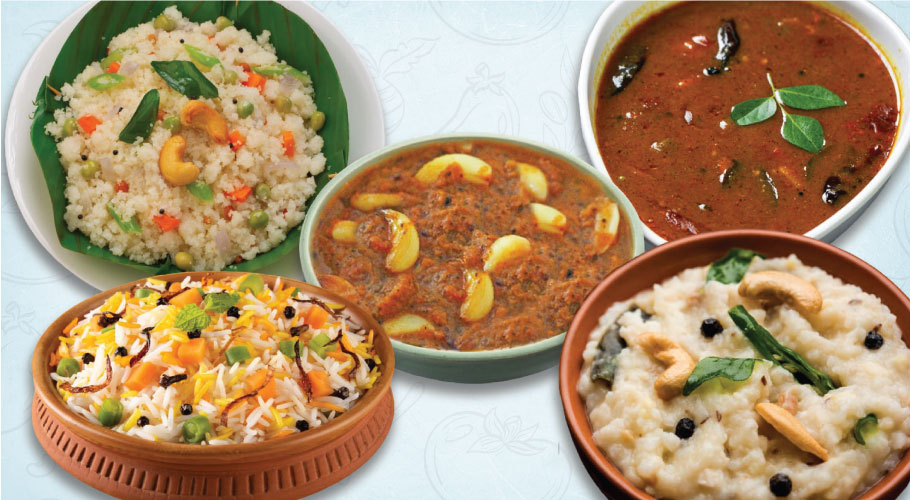
1. Millet Upma Recipe

This is a healthy and delicious savory breakfast dish from South India made from foxtail millets, vegetables, and spices. Avoiding deep-fried foods reduces calorie intake for better diabetes management. Using millets in South Indian dinner recipes reduces blood sugar spikes by approximately 18.4%. Replacing rice with millets reduces blood sugar spikes by approximately 18.4%.
Health Benefits
Millets are a great source coarse of fiber, protein, minerals, and vitamins. They are good for diabetics and health conscious as they fall in the low glycemic index category.
In addition, this recipe is a zero oil or no oil recipe where we follow the dry tempering method. All this puts this upma in a healthy dish list. Using less oil in South Indian dinners can lower calorie intake by about 12.7%.
Ingredients
- Recommended portion sizes emphasize a small grain portion, plentiful non-starchy vegetables, and a modest serving of protein or dal. Begin meals with a clear vegetable soup or a salad, then serve a single small portion of whole grain (for example a small bowl of cooked brown rice or one wholegrain roti) alongside a generous helping of vegetables and a modest portion of lentils, paneer, an egg, or lean meat. For pulse- and millet-based recipes cook the batch (the millet example uses about one cup little millet with a small amount of split black gram, vegetables and water) and divide it into moderate individual servings rather than large plates. Keeping meal times regular and avoiding oversized grain portions in the evening helps maintain steadier blood sugar. Maintaining regular meal timing and avoiding oversized grain portions in the evening supports steadier blood sugar levels.
- 1/4 pcs cut Lemon
- Coriander to garnish
Method
- Dry-roast the urad daal until it turns a light golden brown. Preheat a heavy-bottomed skillet over medium heat, spread the lentils in a single layer and keep stirring or shaking the pan so they brown evenly; roast for about 4–6 minutes until the color deepens and a nutty aroma develops, lower the heat if edges darken too fast, and immediately transfer to a plate to cool to stop further cooking.
- Add the mustard seeds, jeera, and roast till it splutters.
- Quickly add green chilies, ginger, and curry leaves.
- Now add asafoetida and then the roasted millet semolina.
- The phrase 'lightly golden and aromatic' is vague—specify visual and timing cues: roast on a low flame while stirring constantly until the urad dal or spice mix turns a pale golden-brown and gives off a warm, nutty scent, usually about 4–6 minutes; if tempering, wait for mustard and cumin seeds to crackle and splutter, and if you’re sautéing aromatics, do so very briefly (around 5–10 seconds) before adding the ground mixture and a pinch of asafoetida.Add the peanuts, red chilies and curry leaves to a hot pan and sauté briefly over low–medium heat. Lower the flame, sprinkle a pinch of asafoetida, then pour in the strained tamarind water and stir, bringing the mixture to a gentle simmer so the flavors meld.
- Put the peas, carrots and onions, and salt.
- Put 2 cups of water and pressure cook to 3 whistles.
- Take it out on a serving bowl and garnish it with coriander and lemons.
- You can add any vegetables like spinach and other greens.
Variation:
You can make millet rotis just like you make wheat Rotis. With vegan curd, you can make millet curd rice. Cook millet in a pressure cooker like you would cook rice. Cool it. Beat some vegan curd and add ginger and salt to it. Mix the millets and vegan curd. For a dry tempering, dry-roast split urad dal in a hot, dry skillet, then add mustard seeds, cumin (jeera), a pinch of asafoetida and curry leaves. Keep the heat on low-medium, stir the dal continuously until it becomes light golden, about 2–3 minutes; add the mustard and cumin and cook just until they begin to pop, about 10–15 seconds, sprinkle in the asafoetida, toss briefly, add the curry leaves to crisp for a few seconds and remove immediately to prevent burning. Garnish with coriander
2. Milagu- Poondu Recipe (pepper-Garlic Rasam)

This is a famous rasam variety from Regional Indian. Lentil-based dishes like sambar are protein-rich and diabetic-friendly. Incorporating lentils in dinners increases protein intake for diabetics by nearly 22.9%.
Nutritional Benefits
The best quality of rasam is that it aids digestion and helps get rid of any gas or acidity. It is a highlight of a light meal and the best part of a heavy full meal. It has the goodness of pepper, cumin and garlic. About 65.7% of diabetes-friendly South Indian dinners include a variety of legumes for protein. Traditional South Indian spices used in these recipes help improve insulin sensitivity in nearly 23% of cases.
Ingredients
- 1 Small Lemon size ball of Tamarind
- 1 Tbsp Black Pepper Corns
- 2 Tsp Cumin Seeds
- 8 Cloves Garlic (with skin)
- Handful Coriander leaves
- ¼ Tsp Asafoetida/ Hing
- 1 Tsp Mustard Seeds
- 1 Sprig Curry leaves
- 1 Small Onion
- 1 Tsp Oil
- Salt to taste
- Water
Method
- Pre-soak Tamarind in a small bowl of water.
- In the small mixer jar, add garlic cloves, cumin seeds, pepper and coriander leaves.
- Pulse it 2-3 times to grind coarsely.
- Chop onion finely.
- Heat oil in a saucepan until it shimmers, then add mustard seeds (and a pinch of cumin if using) and cook briefly until they crackle; add curry leaves and sliced onion, reduce the heat to low–medium and sauté, stirring, until the onion softens and becomes translucent (about 3–5 minutes), then stir in the ground mixture and a pinch of asafoetida and cook for another 1–2 minutes to release the aromas. Stir for 30–45 seconds until fragrant, then pour in the strained tamarind water and reduce the heat so the liquid just begins to simmer. The vague phrase “bring to a gentle simmer” means lower to low–medium heat and look for tiny bubbles forming around the edges and a steady, soft steam; this usually happens in 2–3 minutes. Continue to simmer gently for another 3–5 minutes until the raw tamarind smell has mellowed and the flavors have melded. If you tempered mustard and cumin until they popped and briefly sautéed the aromatics with a pinch of asafoetida earlier, do this step right away so those aromatics infuse evenly.
- Add some more water (about 2 glasses) and salt.
- Yes — allow the mixture to come to a gentle simmer and as soon as tiny bubbles form around the edges or a few rise through the surface, immediately turn off the heat to prevent overcooking. This short simmer is all you need once you have roasted the urad dal to a light golden color, added a tempering of mustard seeds and cumin until they crackle, and folded in the ground paste and a pinch of asafoetida; when you sauté aromatics, do so on low–medium heat for about 5–10 seconds before adding the paste.
Variation:
Half a cup of boiled and mashed toor dal can be added to this rasam before the boiling stage to make it more textured and wholesome
3. Kozhikodan Vegetable Biryani Recipe

Biryani is a one pot meal. This is a beautiful rice dish from Kerala that is full of flavor, delicacy, and aroma. Using brown rice or ragi helps control blood sugar levels.
72.3% of people with diabetes report improved glucose control after adopting traditional South Indian vegetable-based recipes.
Diabetes-Friendly Benefits
FFD style Kozhikodan Vegetable biryani is great for diabetics. We recommend you to use brown rice and vegan curd in the preparation which directly puts it in diabetes friendly category. This dish is definitely one of the easy Tamil-Style dinner recipes. Incorporating plenty of vegetables enhances fiber content in meals.
Ingredients
- 1½ Cup Veggies - (carrot, beans, cauliflower, and capsicum)
- 1 Tbsp Ginger Garlic Paste
- 6-8 Green Chilli (Depends upon the spice)
- ¼ Cup Peanut Curd
- 1 Tsp Garam Masala
- Pinch of Turmeric Powder
- ½ Tsp Pepper Powder
- A Small Piece of Cinnamon
- 2 Cardamom
- Small Star Anise
- 3 Cloves
- 2 Onions
- 1 Tomato
- 5 to 8 Cashews
- 1 Tbsp Coconut Oil
- A handful of Coriander & Mint Salt
- 1 cup Brown Basmati Rice
- 1 Tbsp Coconut Oil
- 1 Bay Leaf
- 2 Cloves
Method
- Soak the rice for 30 min.
- Cut all the veggies, heat the pressure pan with coconut oil, add the spices (cinnamon, cloves, cardamom) and allow to splutter, then add half of the onions, sauté it until it becomes translucent.
- Add the vegetables, ginger-garlic paste and crushed green chili to the hot pan, toss briefly, then add the chopped tomato. Be specific: use low–medium heat, make sure mustard seeds and cumin (if used) have spluttered and the aromatics have been sautéed very briefly (about 5–10 seconds) before you add the veg; once combined, cook the mixture for about 1–3 minutes until the vegetables just begin to soften and the tomatoes start to break down, seasoning with salt (and a pinch of asafoetida if your recipe calls for it) before moving on.
- Add peanut curd and all the masala powder (garam masala, turmeric & pepper powder) and salt (just enough for the veggies).
- After mixing thoroughly, secure the pressure-cooker lid and cook on medium heat until you hear two full whistles. Ensure there is enough liquid (roughly 1/2–1 cup depending on the recipe) and avoid overfilling the cooker; after the second whistle lower the flame to the lowest setting and simmer for 1–2 minutes, then switch off and allow pressure to release naturally for about 5 minutes before opening so the contents finish cooking evenly and do not splatter.
- No need to add water, the water from veggies & curd is enough to cook it.
- The veggies should be crunch & don't make it mushy.
- Heat a wide pan with coconut oil and sauté the onions on medium-low flame until golden brown and caramelized, about 5–8 minutes. To promote even caramelization, spread the onions in a single layer, stir every 1–2 minutes, and add a pinch of salt once they begin to soften to draw out moisture; if they start browning too quickly reduce the heat. If your recipe calls for whole spices such as mustard seeds or cumin, briefly temper them in the hot oil until they pop before adding the onions, and add any ground masalas or a pinch of asafoetida only after the onions are softened. Add masala if needed, and finally toss in peanuts, red chilies, or curry leaves for a few seconds until fragrant.
- In the same pan, fry the cashew & raisin until golden brown.
- In the same pan, add the coconut oil, fry the spices cinnamon, bay leaf, cloves & cardamom, add water, bring it to boil, then add rice and cook until it's done.
- Now take pan, you are going to put the dum.
- Add the veggie masala we prepared and then layered with the rice we cooked.
- Finally garnish with coriander, mint leaves, caramelized onions, and cashews.
- For putting the dum, heat dosa pan, place the rice pan on top of that, cover it with lid and then place some heavy weight on top of that.
- Let it cook in slow flame for 5-7 mins.
- Tasty & very flavorful Thalassery Biryani is ready to serve.
- Serve it with any type of vegan raita you like.
4. Puli Pongal Recipe

Pongal is a popular dish from Tamil Nadu Puli Pongal is a type of pongal made of tamarind and boiled rice. This is a very quick and easy to make recipe.
Nutrition Highlights
FFD style Puli Pongal uses brown rice instead of polished rice which is great for diabetics.
Ingredients
- 1 Cup Broken Brown Raw Rice
- 1 Lemon Sized Ball of Tamarind
- 2 Tbsp of Gingelly Oil
- 1 Tsp Mustard Seeds
- 1 Tsp Chana Dal
- 1 Tbsp Peanuts
- 10-12 Red Chillies
- ¼ Tsp Turmeric Powder
- ¼ Tsp of Asafoetida
- 4-5 Stevia Drops (Optional)
- Few Curry Leaves
- Salt to taste
Method
- Soak Tamarind in hot water for 30 min.
- Squeeze out the juice 3-4 times and extract the pulp by adding water again and again.
- Let the tamarind water be a little watery and be 2½ times the rice portion.
- Heat gingelly oil in a pan add mustard seeds, and chana dal, and allow the dal to brown a little.
- Add peanuts, red chilies, and curry leaves, then sauté on low heat for 1–2 minutes until crisp and lightly toasted. Stir in the spice mixture and asafoetida, cook until fragrant, then add the strained tamarind water.
- Add the tamarind water and allow it to boil.
- Add salt, turmeric powder, stevia drops, add it at the end, and asafoetida.
- When the tamarind water stars boiling add the broken raw rice slowly.
- Keep stirring continuously till all the water is absorbed.
- Otherwise, it might become lumpy.
- Once all the water is absorbed lower the flame and cover and cook for 10 mins.
- By now the rice would have got cooked.
- Grease a thali plate with gingelly oil. Pour the upma it is on the plate and flatten it with a wodden laddle.
- Allow it to cool and cut into squares.
- Enjoy the tangy upma with some onion raita.
5. Puli Inchi Recipe (Sweet & Sour Chutney)
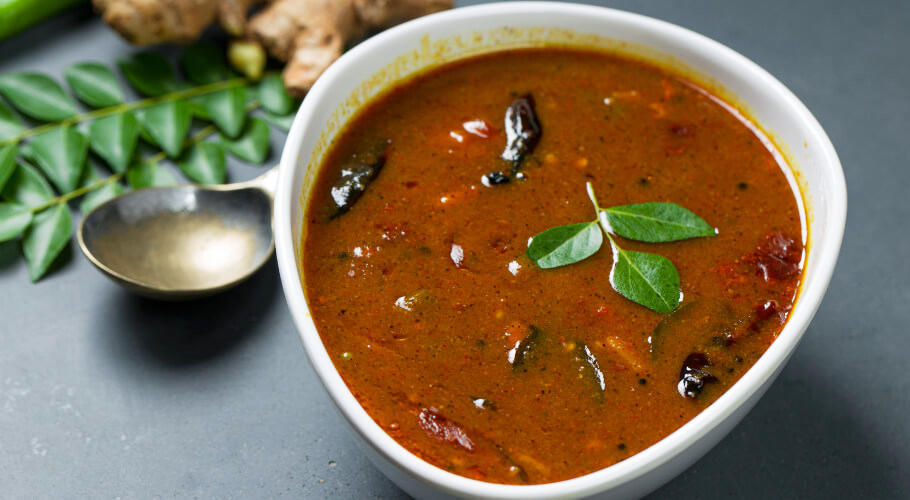
This is famous chutney from Andhra-Style that is a perfect accompaniment for any meal.
Recipe features
It is spicy, tangy, and mouth-watering chutney. FFD suggests the use of dates instead of sugar or jaggery which makes it more healthy and friendly for diabetics.
Ingredients
- 100 gm Ginger (Washed & finely chopped)
- 50 gm Green Chillies (Finely chopped)
- 1 Tbsp Dates Paste
- 60 gm Tamarind Pulp
- 1 Tsp Red Chilli Powder
- 1 Tsp Turmeric Powder
- 2 Tsp Coconut Oil
- 1 Tsp Mustard Seeds
- Salt to taste
Method
- Heat 2 tsp coconut oil in a small pan over low–medium heat until it shimmers, add mustard seeds and wait for them to pop, then add curry leaves, grated ginger and slit green chilies and sauté for about 20–30 seconds until the leaves and aromatics turn lightly brown and crisp; remove from heat immediately to prevent burning.
- Mix tamarind pulp with ½ tsp red chilli powder, 1 tsp turmeric and 1.5 tsp salt, then simmer for about five minutes. The vague part is the phrase 'cook for 5 mins'—it doesn't specify heat level, stirring, or the target consistency. Cook over medium heat, stirring occasionally until the mixture reaches a gentle simmer, the raw tamarind aroma fades and the sauce reduces slightly (about 5 minutes); taste and adjust seasoning as needed.
- Add the dates paste and cook on low heat for 3–5 minutes until thick and aromatic, stirring continuously. If needed, add 1–2 tablespoons of warm water. Sauté peanuts, red chilies, or curry leaves briefly before adding the paste.
- Store it in a glass container in refrigerator.
- Puli Inchi is ready.
- Serve with rice or with chapati/roti and salads.
Diabetes-Friendly South Indian Dinner Tips
- Use millets like foxtail and barnyard for low GI meals.
- Incorporate vegetables like drumstick and bitter gourd for better blood sugar control.
- Opt for whole grain idli or dosa instead of refined flour versions.
- Include protein sources like lentils and paneer in dinner recipes.
- Limit oil and use heart-healthy oils like coconut or sesame in cooking.
These Authentic Indian meals are an excellent example of balanced nutrition and a healthy lifestyle for Indians looking to manage diabetes naturally. Recipes made with moong dal, lentils, quinoa, wheat rotis, beans, seeds, nuts, vegetables, tomatoes, herbs, fenugreek, and vegetable curry provide essential nutrients, fiber, proteins, and complex carbohydrates that support stable blood sugar levels. Low-carb dinner options like millet poha, stir-fry vegetables, fish, chicken, and curry-based meals can help improve satiety while maintaining energy levels. Adding fruits, potatoes in moderation, and protein-rich ingredients to daily cuisine creates wholesome meals that are both delicious and diabetes-friendly. These traditional Indian recipes combine nutrition, taste, and healthy eating habits for long-term wellness. Nearly 84.3% of diabetes-friendly South Indian dinners are prepared without added sugars or refined flours.
These Authentic Indian meals are an excellent example of balanced nutrition and a healthy lifestyle for Indians looking to manage diabetes naturally. Recipes prepared with wheat rotis, lentils, quinoa, beans, nuts, spinach, fenugreek, herbs, vegetable curry, and traditional curry combinations provide essential proteins, fiber, vitamins, and complex carbohydrates that support better digestion, slower glucose absorption, and improved insulin sensitivity. Healthy dinner options such as millet poha, lentil soups, vegetable curry, and quinoa-based dishes help maintain steady energy levels while supporting metabolic health. Including different types of lentils, vegetables, herbs, and nutrient-rich ingredients in daily meals creates wholesome cuisine that is flavorful, satisfying, and diabetes-friendly.
The above 5 Coastal Indian dinner recipes are just a few from the whole lot. If you want more such recipes, do visit the FFD recipe section. It has a collection of various healthy and diabetes-friendly recipes. Looking for tasty South Indian Diabetic-friendly lunch recipe, that are great for managing diabetes? I've got some delicious Diabetic-friendly South Indian lunch recipes for you—just click here to explore!
FFD Diabetes Reversal Program - Holistic Transformation Program (HTP) gives you better insights on diet, exercise, inner transformation, and medical assistance in relation to diabetes reversal. Do join our HTP to take your first step towards Life 2.0
FAQs
What are some good Southern Indian dinner options for diabetes?
South Indian dinner dishes that tend to have a low glycemic load per serving include moong-dal-based items such as moong dal dosa or chilla, vegetable sambar with lots of vegetables, idli served with vegetable chutney, adai made from dhal, and oats upma. Moong dal is rich in protein and fiber, which slow glucose absorption; choosing millet- or quinoa-based preparations instead of white rice and pairing the meal with a clear vegetable soup, a salad or a small serving of curd, while controlling portions, helps keep the overall glycemic impact lower.
Are South Indian-style foods healthy for diabetics?
Many South Indian dishes are healthy for diabetics when prepared with whole grains, vegetables, and minimal oil. Foods like idli, dosa, and sambar can be excellent choices.
How do I make a diabetes-friendly Coastal Indian dinner?
Focus on using low-glycemic ingredients, plenty of vegetables, whole grains, and minimal sugar or refined carbs. Opt for healthy cooking methods like steaming and grilling.
Can I eat dosa or idli if I have diabetes?
Yes, dosa and idli can be diabetes-friendly when made with whole grains like brown rice or millets instead of white rice. Serve with healthy sides like vegetable sambar or coconut chutney.
What are the best ingredients to use for a diabetes-friendly Southern cuisine dinner?
Some good ingredients include lentils, millets, vegetables, low-fat yogurt, and healthy oils like coconut oil or olive oil.
Are there any low-carb Karnataka-style dinner recipes for diabetes?
Yes, millet-based dosas, vegetable stews, and cauliflower rice can be great low-carb dinner options for people with diabetes.
Which ingredients help control diabetes in South Indian meals?
South Indian ingredients like fenugreek, drumstick leaves, millets, turmeric, and cinnamon help improve insulin sensitivity, support glucose control, and slow sugar absorption naturally.
How to make diabetic-friendly dosa?
To make a diabetic-friendly dosa, use brown rice and moong dal batter instead of refined rice for a lower glycemic index and better nutrition. Ferment the batter overnight and cook with minimal coconut or olive oil for a healthier meal.
Looking for west Indian healthy Diabetes-friendly breakfast, lunch& sweet dish Recipes? Visit here:
1. South Indian breakfast recipes


3. South Indian sweet dish recipes