Best Sources of Omega 3 Fatty Acids: A Complete Guide
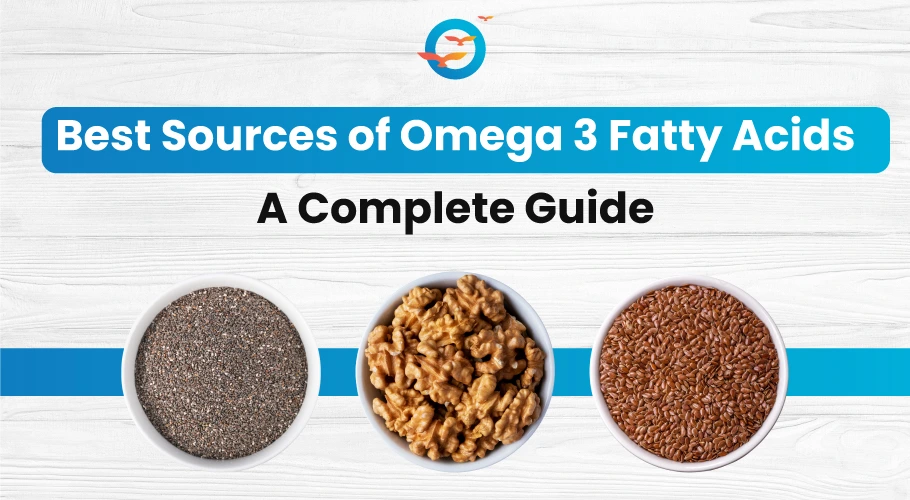
Most people today are unknowingly living in a pro-inflammatory state and one of the biggest reasons is a poor balance of fats. Diets high in processed oils increase omega-6 intake, while omega 3 fatty acids remain severely low.
For anyone focusing on metabolic health, this imbalance matters. Omega-3s are not just healthy fats they directly help reduce inflammation, improve insulin sensitivity, and support long-term health. Building the right omega 3 diet can be a powerful step toward better metabolic control.
Why Omega 3 Fatty Acids Matter?
Omega 3 fatty acids are essential fats that your body cannot produce. You must obtain them from food. These fats help:
- Reduce systemic inflammation
- Improve insulin response
- Support heart, brain, and liver health
For individuals dealing with insulin resistance, increasing foods high in omega 3 can significantly improve metabolic function.
Understanding ALA, EPA, and DHA
There are three main types of omega-3s:
- ALA (Alpha-Linolenic Acid): Found in plant foods
- EPA & DHA: Active forms used by the body
A plant based omega 3 diet provides ALA, which the body converts into EPA and DHA. However, this conversion is limited. That is why choosing the right sources and sometimes adding algae-based options is important.
What are the Best Foods High in Omega 3?
- Flaxseeds (The Most Powerful Source)
Flaxseeds are one of the richest sources of omega 3 fatty acids, making them a cornerstone of any omega 3 diet.
- High in flaxseed omega3
- Loaded with fiber and antioxidants
- Strong flaxseed benefits for heart and metabolic health
How to use:
- Always consume in ground form
- Add to smoothies, atta, or vegetables
- Chia Seeds
Chia seeds are among the easiest foods high in omega 3 to include daily. They also slow glucose absorption, making them ideal for metabolic health.
- Walnuts
Walnuts are one of the best whole-food sources of omega-3s.
- Walnuts for omega 3 are highly effective
- The amount of omega 3 in walnuts (about 2.5–2.6 g per handful) makes them practical for daily use
Tip: Soak overnight for better absorption.
- Supporting Sources
Other foods high in omega 3 include:
- Soy and edamame
- Beans and legumes
- Leafy vegetables
These are supportive sources that contribute smaller amounts.
The EPA & DHA Gap
A key limitation of a plant based omega 3 diet is that ALA conversion to EPA and DHA is low.
To address this, algae-based omega-3 sources can be included. These provide direct EPA and DHA without relying on fish, making them ideal for plant-based lifestyles.
Why Plant-Based Omega 3 Is Better?
A plant based omega 3 approach offers several advantages:
- No exposure to toxins like mercury
- Zero cholesterol
- Lower saturated fat intake
- Better support for liver and insulin function
This makes it especially beneficial for those focusing on metabolic health.
How to Increase Omega 3 Naturally?
If you’re looking for how to increase omega 3 naturally, follow these simple steps:
- Add 1 tablespoon ground flaxseed daily
- Eat a handful of walnuts
- Include chia seeds in meals
- Avoid heating omega-rich oils
- Consider algae-based supplementation if required
Simple Daily Omega 3 Routine
- Morning: Ground flaxseed in smoothie
- Snack: Walnuts
- Meals: Add seeds to dishes
- Optional: Algae-based supplement
Conclusion
Optimizing omega 3 fatty acids intake is one of the simplest and most effective ways to improve your health. By focusing on the right foods high in omega 3 and building a consistent routine, you can reduce inflammation, support insulin sensitivity, and strengthen your metabolic health.
You can read more about seeds for diabetes, visit our blog.
FAQs
-
What are the best vegetarian sources of omega-3?
Flaxseeds, chia seeds, walnuts, and algae-based supplements are the best vegetarian sources. -
Which seeds are rich in omega-3 fatty acids?
Flaxseeds and chia seeds are the richest sources. -
Are omega-3 supplements better than food sources?
Whole foods are the best primary source, but algae-based supplements can help meet EPA and DHA needs. -
How much omega-3 should I consume daily?
Around 1.1–1.6 grams of ALA per day is generally recommended for adults. -
What is the difference between ALA, EPA, and DHA?
ALA is plant-based, while EPA and DHA are active forms used by the body. -
How to include omega-3 in diet?
Add flaxseeds, chia seeds, and walnuts to your daily meals. -
How can I get omega-3 naturally?
By consuming seeds, nuts, and plant-based sources regularly. -
What foods are high in omega-3?
Flaxseeds, chia seeds, walnuts and some legumes are high in omega-3. -
How much omega-3 do I need daily?
Most adults need about 1–1.6 grams daily.
10.How many fish oil tablets per day?
For plant-based diets, algae-based omega-3 supplements are preferred instead of fish oil.