Coconut Milk for Diabetes: Does It Help Control Blood Sugar?
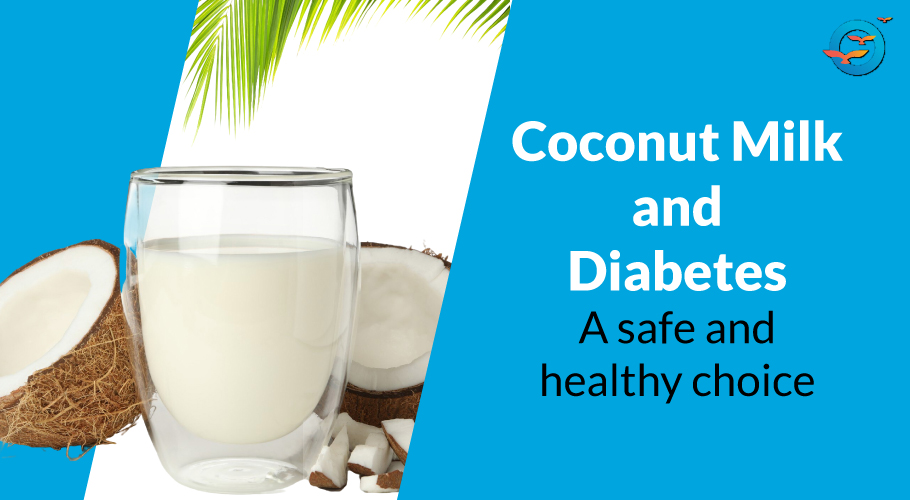
Is Coconut Milk Good for Diabetes?
Coconut milk is a creamy, rich beverage extracted from the grated flesh of mature coconuts, typically found in tropical regions. It is made by blending coconut meat with water and then straining the mixture to separate the liquid from the solid remnants.
Coconut milk is a popular ingredient in various cuisines, particularly in Southeast Asian and Caribbean dishes, where it adds a distinct flavor and texture to soups, curries, desserts, and other foods.
Coconut milk can be found in different varieties, including light, full-fat, and even unsweetened milk alternatives, catering to various culinary needs and dietary preferences.
Nutritional composition of coconut milk
Coconut milk contains healthy fats, vitamins, and minerals, making it a nutritious substitute for dairy milk for those who are lactose intolerant or following a plant-based diet.
It is abundant in Vitamin E, a potent antioxidant that helps reduce inflammation and protects the body from oxidative stress. While it is not a rich source of vitamin D, many packaged options are fortified to support overall health.
Furthermore, it contains essential minerals like calcium, which is vital for maintaining strong bones. Coconut milk also supports metabolism due to its medium-chain fats and provides small amounts of fiber, depending on how it is processed.
Is coconut good for diabetes patients?
Coconut milk can be a beneficial addition to a diabetes-friendly diet, especially for individuals with type 2 diabetes, when consumed in moderation.
Firstly, it is low in carbohydrates and does not significantly impact blood glucose levels, making it a safer option compared to high-carb dairy or sugary drinks.
Additionally, coconut milk is rich in medium-chain triglycerides (MCTs), which support better metabolism and may help improve insulin sensitivity. This plays an important role in diabetes management.
The healthy fats in coconut milk also promote satiety, helping control hunger and reduce cravings for high-sugar foods or processed sweeteners. This can support better weight management, which is an important factor in controlling blood glucose levels, especially in people with type 2 diabetes.
However, portion control is important, as excessive intake may impact cholesterol levels and increase the risk of heart disease over time.
Fresh Coconut Milk Vs packaged
Fresh coconut milk and packaged coconut milk differ in flavor, texture, and nutritional quality.
Fresh coconut milk is made by blending coconut flesh with water, offering a rich, natural taste without additives. It retains more nutrients and is considered a healthier option.
Packaged coconut milk, on the other hand, may contain stabilizers, preservatives, or added sugar. Some varieties may also include thickeners or even resemble coconut cream, which is higher in fat.
When choosing packaged options, go for unsweetened varieties and carefully check labels to avoid hidden sugars or artificial sweeteners.
Tips for Consuming Coconut Milk
When it comes to consuming coconut milk, moderation is key, as it is calorie-dense and high in fat. A typical serving size is about 1/4 to 1/2 cup (60 to 120 ml) per day, which can provide the health benefits associated with coconut milk without excessive calorie intake.
Additionally, opting for thinner coconut milk is often better than thicker varieties, especially for those monitoring their fat intake or looking to manage their weight. Thinner coconut milk typically contains more water and fewer calories, making it a lighter option that can still add flavor and creaminess to dishes without overwhelming the diet with saturated fats.
Incorporating thinner coconut milk into smoothies, soups, or sauces can enhance the nutritional profile of meals while keeping calorie counts in check.
Coconut milk is vegan milk.
Diabetics.just do not hesitate, go for it!
Curious about Almond Milk vs Cow Milk? Discover the truth every diabetic should know — visit our bog now.
FAQs
Is Coconut Milk good for Diabetes?
Yes, in moderation, coconut milk is generally safe for diabetics. It’s low in carbohydrates, which helps prevent blood sugar spikes.
Does Coconut Milk Raise Your Blood Sugar?
Coconut milk is low in carbs and has a low glycemic index, so it doesn’t significantly raise blood sugar when consumed in moderate amounts.
Can I Drink Coconut Milk if I Have Diabetes?
Yes, diabetics can drink coconut milk, but it’s best to choose unsweetened varieties and limit portions.
What Are the Health Benefits of Coconut Milk for Diabetics?
Coconut milk provides healthy fats, supports heart health, may improve insulin sensitivity, and can help with satiety, reducing the urge to snack on high-carb foods.
How Much Coconut Milk Can a Diabetic Person Consume?
Moderation is key; about ½ to 1 cup per day is generally safe, depending on individual dietary needs and blood sugar levels.
Are There Any Risks to Consider with Coconut Milk for Diabetics?
Coconut milk is high in calories and saturated fat, which could contribute to weight gain and affect cholesterol levels if consumed in excess.
Why Is Coconut Milk a Good Choice for Diabetics?
Its low carbohydrate content helps manage blood sugar, and the healthy fats promote satiety, making it a satisfying alternative to dairy milk for diabetics.
Is Coconut Milk Bad for Diabetics?
No, coconut milk is not bad for diabetics when used in small quantities.