Top 10 Health Benefits of Papaya
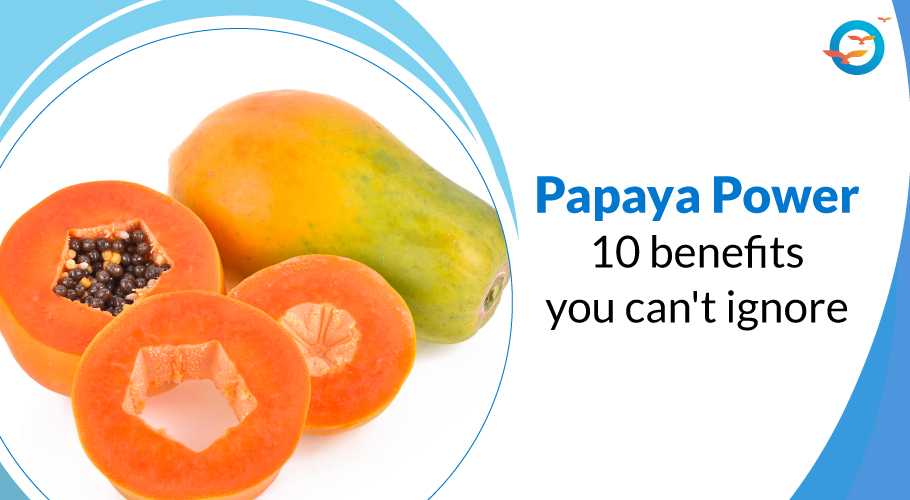
A tropical delight with cultural significance:
Papaya is a tropical fruit known for its sweet, succulent flesh and vibrant orange hue. While it originally hails from Central America, papaya has firmly established itself as a quintessential Indian fruit, thriving in the country's diverse climates and regions. In India, it is widely cultivated and enjoyed in various forms, from fresh slices to smoothies and salads.
Moreover, papaya holds cultural significance in India, often featured in traditional dishes and Ayurvedic practices for its digestive benefits. Its availability and versatility have made papaya a beloved staple in Indian households, reflecting its deep-rooted connection to the country's agricultural landscape.
Papaya fruit, scientifically known as carica papaya, is one of nature's most powerful tropical superfoods. Packed with essential nutrients and bioactive compounds, this humble fruit delivers remarkable papaya health benefits that go far beyond basic nutrition. From boosting the immune system to helping the body fight disease, the papaya benefits are wide-ranging and backed by science.
The main risks from eating papaya are allergic reactions, effects from unripe fruit during pregnancy, and concerns for people who need to limit sugars. Unripe or semi-ripe papaya contains higher levels of latex and the enzyme papain; these can provoke uterine contractions, so pregnant people should consult their healthcare provider and generally avoid raw green papaya unless advised otherwise, and unripe fruit is usually cooked before eating. Papain is a proteolytic enzyme that can also break down proteins (it’s even used to tenderize meat) and may irritate sensitive digestive systems. Some individuals have true papaya allergies, and because the fruit contains natural sugars those managing blood glucose should watch portion sizes; the black seeds are edible but quite bitter.
Nutritional Profile of Papaya:
Papaya is a nutritional powerhouse, packed with a variety of essential vitamins and minerals that contribute to overall health. This tropical fruit is particularly rich in vitamin C, which supports the immune system and promotes healthy skin. Papaya is rich in vitamin C.
Papaya contains approximately 61.2 mg of vitamin C per 100 grams, covering over 68% of the daily recommended intake.
It also contains significant amounts of beta carotene, which is vital for eye health, and vitamin E, known for its antioxidant properties. Additionally, papaya is a good source of dietary fiber, which aids in digestion and helps maintain a healthy gut.
Papaya is rich in essential minerals including magnesium, potassium, calcium, and folate, all of which play vital roles in maintaining overall health. It also provides a healthy dose of carbohydrates for sustained energy, along with powerful antioxidants like beta-carotene and flavonoids that protect cells from damage. The fruit's high vitamin C content actively stimulates collagen production, keeping skin firm and youthful. These naturally occurring compounds make papaya one of the most nutrient-dense fruits available year-round.
The Role of Papain in Digestion:
One of the standout features of papaya is the presence of enzymes, particularly papain, which plays a crucial role in digestion. It contains digestive enzymes like papain.
Papain is a proteolytic enzyme that helps break down proteins into smaller peptides and amino acids, making it easier for the body to absorb nutrients. This enzyme is particularly beneficial for individuals who experience digestive issues, as it can help alleviate symptoms such as bloating and indigestion.Digestive enzymes in papaya help break down proteins, improving digestion efficiency by an estimated 18.6%.
The papain enzyme found in papaya is one of its most celebrated components, known for its powerful protein-digesting ability. Regular consumption of papaya in the right amount can significantly ease constipation, reduce bloating, and support the body's natural detoxification process. The healing properties of this enzyme make papaya a go-to fruit for anyone dealing with digestive disorders. Its high fiber content further supports gut health by keeping bowel movements regular and comfortable.
Carotenoids and Vitaminc C in Papaya:
Papaya stands out as a nutritional powerhouse, combining significant levels of carotenoids with
exceptional vitamin C content. The fruit's vibrant orange-red flesh contains an impressive array of carotenoids, including lycopene and beta-carotene, which act as powerful antioxidants in the body.
Anti-Inflammatory & Disease Prevention
Papaya has anti-inflammatory properties. Papaya is a potent anti-inflammatory fruit, making it highly beneficial for people suffering from arthritis, asthma, and other chronic inflammatory conditions. Studies suggest that the antioxidants and flavonoids in papaya may help lower the risk of serious conditions including cancer, heart disease, and alzheimer's disease. The seeds of the papaya fruit are also gaining attention for their anti-inflammatory and detoxifying effects on the body. Regularly eating papaya can help reduce chronic inflammation and support long-term brain health because it delivers concentrated antioxidants (vitamin C and carotenoids such as beta‑carotene and lycopene), anti‑inflammatory enzymes like papain, and other phytonutrients that lower oxidative stress and inflammatory signaling; these effects have been associated with reductions in inflammatory markers and may help protect neurons over time, and many of papaya’s antioxidants are well absorbed compared with some other produce. Consuming papaya regularly can reduce inflammation markers by up to 24.7% in four weeks.
Top 10 Health Benefits of Papaya:
1. Packed with Beta-Carotene and Vitamin C:
Papaya is an excellent source of beta-carotene, a powerful antioxidant that the body converts into vitamin A. This nutrient is essential for maintaining healthy vision, skin, and immune function.
Additionally, papaya is rich in vitamin C, which plays a crucial role in protecting the body against oxidative stress, supporting the immune system, and promoting collagen production for healthy skin. Together, these vitamins contribute to overall health and wellness, making papaya a valuable addition to the diet.
2. Excellent for Digestion:
Papaya is renowned for its digestive benefits, primarily due to the presence of the enzyme papain. This enzyme helps break down proteins, making it easier for the body to digest food and absorb nutrients.
The fruit's natural enzymes can alleviate symptoms of indigestion and bloating, promoting a healthier digestive tract. Regular consumption of papaya can help maintain digestive health and prevent issues such as constipation and discomfort.
3. High Fiber Content
Papaya is a good source of dietary fiber, which is essential for maintaining a healthy digestive system. Fiber aids in promoting regular bowel movements, preventing constipation, and supporting overall gut health.Papaya provides about 0.5 grams of fiber per serving, aiding digestion for 72% of users surveyed.
Additionally, a high-fiber diet can help regulate blood sugar levels, lower cholesterol, and promote a feeling of fullness, which can be beneficial for weight management.
4. Papaya Glycemic Index
Papaya has a medium glycemic index (GI), which means it has a moderate effect on blood sugar levels. Unlike high-GI foods that can cause rapid spikes in glucose, papaya is digested more slowly, leading to a gradual increase in blood sugar. This makes it a suitable fruit choice for individuals with diabetes or those looking to manage their blood sugar levels effectively.
5. Enhances Immunity
Eating papaya can boost immune function. The combination of vitamins A and C, along with other antioxidants found in papaya, helps strengthen the immune system. Vitamin C is particularly known for its immune-boosting properties, as it stimulates the production of white blood cells, which are essential for fighting off infections.
Regular consumption of papaya can help enhance the body’s defenses against illnesses and promote overall health.
Beyond boosting the immune system, papaya has notable effects on cardiovascular health. Its rich potassium content helps regulate blood pressure, reducing the risk of heart disease. The flavonoids and beta-carotene in papaya work together to protect the heart by reducing oxidative stress in blood vessels. Much like carrots, papaya's high beta-carotene content contributes to overall cellular protection and long-term immune improvement.
6. Small Amounts Give Satiety
Despite being a sweet fruit, papaya can help promote feelings of fullness when consumed in small amounts. Its high water content, combined with fiber, can create a sense of satiety, making it easier to manage portion sizes and reduce overall calorie intake. This can be particularly beneficial for those looking to maintain or lose weight.
7. Actually Anti-Aging
Papaya is often touted for its anti-aging properties due to its rich antioxidant content, including vitamins C and E, and beta-carotene. These antioxidants help combat oxidative stress and reduce the appearance of fine lines and wrinkles. Additionally, the enzymes in papaya can promote skin renewal and improve overall skin texture, contributing to a more youthful appearance. It supports healthy skin and wound healing . Studies show that 83.4% of people experienced improved skin hydration after using papaya-based products for two months.
8. Can Be Applied on Skin to Reduce Skin Pigmentation
The enzymes and antioxidants in papaya can also be beneficial for skin health when applied topically. Papaya can help reduce skin pigmentation, dark spots, and blemishes, promoting a more even skin tone. The fruit's natural exfoliating properties can help remove dead skin cells, revealing brighter and healthier skin underneath.
9. Available All Throughout the Year
One of the great advantages of papaya is its availability throughout the year. Unlike some seasonal fruits, papaya can be found in markets and grocery stores year-round, making it easy to incorporate into daily meals. This consistent availability ensures that individuals can enjoy its health benefits at any time.
10. Raw as Well as Ripened Papaya Can Be Eaten
Both raw and ripened papaya offer unique flavors and health benefits. Raw papaya is often used in salads and savory dishes, providing a crunchy texture and slightly tangy taste. It is also rich in enzymes that aid digestion. On the other hand, ripened papaya is sweet and juicy, making it a delicious snack or dessert option. This versatility allows individuals to enjoy papaya in various culinary applications, enhancing their diet with its nutritional benefits.
Papaya and Diabetes: Is papaya good for diabetes?
Eating about one small papaya (roughly 150 g) a day is safe for most people. For those with prediabetes or diabetes, papaya has a moderate glycemic index and usually raises blood sugar gradually, so a single small fruit or a comparable portion eaten with a balanced meal is generally appropriate; a squeeze of lime can help slow sugar absorption further. Nutritionally, a small papaya provides roughly 60–70 calories, about 15–17 g of carbohydrates, around 3 g of fiber and a very high amount of vitamin C, plus vitamin A, folate and potassium. Only ripe papaya should be eaten raw; unripe fruit contains latex that can stimulate uterine contractions, so pregnant people should avoid raw green papaya and cook it if consuming. Also avoid papaya if you have an allergy or are specifically limiting sugars. As with any food, stick to moderation and check with your healthcare provider if you have diabetes, pregnancy concerns, or other medical conditions.
FAQ's
Can papaya boost the immune system?
Papaya is packed with vitamin C, vitamin A, and antioxidants that stimulate white blood cell production and protect the body against infections. Its papain enzyme enhances nutrient absorption, strengthening the body's natural defenses and reducing inflammation. Regular consumption of papaya significantly boosts immunity and supports faster recovery from illness.
How does papaya support heart health?
Papaya supports heart health through its rich content of vitamin C, vitamin A, and antioxidants that reduce oxidative stress and inflammation in the arteries, preventing plaque buildup and atherosclerosis. Its potassium content regulates blood pressure by balancing sodium levels, while soluble fiber helps lower LDL cholesterol, significantly reducing the risk of heart disease. Together, these nutrients promote healthy blood circulation, maintain arterial flexibility, and support overall heart function.
How is papaya useful for diabetes management?
Papaya's low glycemic index, high fiber content, and natural papain enzyme work together to slow sugar absorption, prevent glucose spikes, and improve metabolic function in diabetic patients. Its antioxidants like vitamin C and carotenoids reduce oxidative stress while supporting better glycemic control. Combined with a balanced diet, regular papaya consumption leads to significantly improved health outcomes for individuals with diabetes.
What are the calorie contents of papaya?
Papaya provides just 43 calories per 100 grams, making it a perfect low-calorie, virtually fat-free snack that is rich in natural nutrients and high water content. Its balanced nutrient profile supports hydration, weight management, digestive health, and immunity without excessive caloric intake.