Low Glycemic Foods For Better Sugar Control
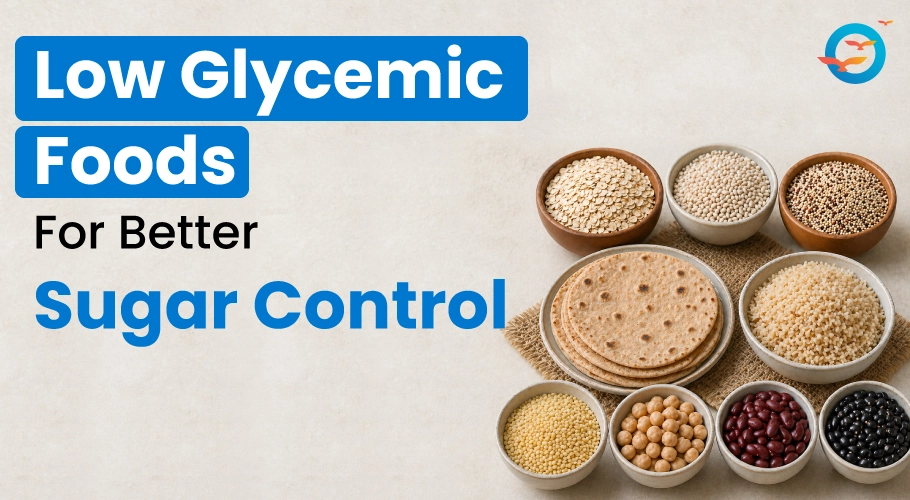
If you often feel sudden hunger, mid-day fatigue, or constant cravings, your food choices may be causing frequent blood sugar spikes. These spikes don’t just affect people with diabetes, they can impact your energy levels, mood, and even weight over time.
This is where low glycemic foods come in. These foods digest slowly, release glucose gradually, and help maintain steady energy throughout the day. By including the right foods in your diet, you can support better blood sugar control, reduce cravings , and improve overall health.
What Are Low Glycemic Index Foods?
The glycemic index (GI) is a scale from 0 to 100 that measures how quickly foods raise your blood sugar levels.
- Low GI foods: Below 55
- Medium GI foods: 55–70
- High GI foods: Above 70
Low glycemic index foods are digested slowly, leading to a gradual release of glucose into the bloodstream. This helps prevent sharp spikes and crashes, making them ideal for maintaining stable energy and better metabolic balance.
Top Low Glycemic Foods to Include Daily
Low GI Carbs (Smart Carbohydrates)
Carbohydrates are not the problem, the type of carbs you choose matters. Focus on specific low glycemic foods that digest slowly and provide steady energy.
Include foods like:
- Rolled oats
- Barley
- Quinoa
- Whole wheat roti
- Brown rice
- Lentils (dal)
- Chickpeas (chana)
- Kidney beans (rajma)
- Black beans.
These foods are rich in fiber and resistant starch, which slow digestion, improve satiety, and help stabilize blood sugar levels throughout the day.
Low Glycemic Fruits
Fruits contain natural sugars, but many qualify as low glycemic foods because of their fiber content.
Best options to include daily are:
- Apples
- Pears
- Oranges
- Strawberries
- Blueberries
- Cherries
- Peaches
- Grapefruit
These fruits release sugar slowly into the bloodstream, preventing sudden spikes. Always choose whole fruits instead of fruit juices, as juices lack fiber and can quickly raise blood sugar levels.
Low Glycemic Vegetables
Non-starchy vegetables are some of the most reliable low glycemic foods you can eat daily.
- Spinach
- Broccoli
- Cauliflower
- Carrots (raw or lightly cooked)
- Cucumbers
- Tomatoes
- Leafy greens
These vegetables are low in calories, high in fiber, and have minimal impact on blood sugar making them ideal for daily consumption.
Low GI Rice & Indian Staples
Rice is a staple in many Indian diets, but choosing the right type makes a big difference.
Instead of refined options, go for:
- Brown rice
- Hand-pounded rice
- Red rice
- Parboiled rice
- Millets like jowar and bajra.
Pair these with dal, sabzi, curd, or healthy fats like ghee to further slow down glucose absorption and keep your meals balanced.
Nuts, Seeds & Healthy Fats
Healthy fats help slow down glucose absorption and improve satiety:
- Almonds
- Walnuts
- Peanuts
- Flaxseeds
- Chia seeds
- Pumpkin seeds
- Sunflower seeds
Including small portions daily can support better blood sugar control and overall metabolic health.
Why You Should Include Low GI Foods in Your Daily Diet
Including low glycemic foods in your daily routine offers multiple health benefits:
- Better blood sugar control: Prevents sudden spikes and crashes
- Supports weight loss: Keeps you full and reduces cravings
- Improves insulin sensitivity: Helps your body use glucose more efficiently
- Stable energy levels: Reduces fatigue and energy dips
Over time, these benefits contribute to improved metabolic health and long-term well-being.
Final Takeaway
Low GI eating is not about eliminating carbohydrates, it’s about choosing smarter ones. When you focus on whole, fiber-rich foods and combine them correctly, your body responds better.
Start with simple changes: replace refined grains with whole options, increase your intake of vegetables, and include healthy fats. These small, consistent steps can lead to lasting improvements in your energy, weight, and blood sugar levels.
Visit our blog- What is Glycemic Index (GI)?
FAQs-
What are low glycemic index foods?
Low glycemic index foods are foods that raise blood sugar slowly due to their slower digestion. They typically have a GI score below 55.
Why should you include low GI foods in your daily diet?
They help maintain stable blood sugar, reduce cravings, improve energy levels, and support weight management.
Which fruits have a low glycemic index?
Apples, berries, oranges, pears, and grapefruit are common low GI fruits.
Whic vegetables are low in glycemic index?
Spinach, broccoli, carrots, cucumbers, and most non-starchy vegetables are low GI.
What are the best low GI breakfast options?
Oats, vegetable chilla, smoothies with seeds, and fruits paired with nuts are good options.
Which rice has the lowest glycemic index for diabetics?
Brown rice, hand-pounded rice, and parboiled rice are better choices compared to white rice.
What snacks are low glycemic and diabetes-friendly?
Nuts, roasted chana, seeds, and fruit combined with protein are great low GI snacks.
Can a low glycemic diet help with weight loss?
Yes, it helps control hunger, reduce cravings, and supports better metabolism.
What is the difference between glycemic index and glycemic load?
Glycemic index measures how quickly a food raises blood sugar, while glycemic load considers both the quality and quantity of carbohydrates.
Which carbs are low glycemic and safe to eat daily?
Oats, quinoa, lentils, chickpeas, and whole grains are healthy low GI carbs suitable for daily consumption.