Is Sweet Potato Good for Diabetes?
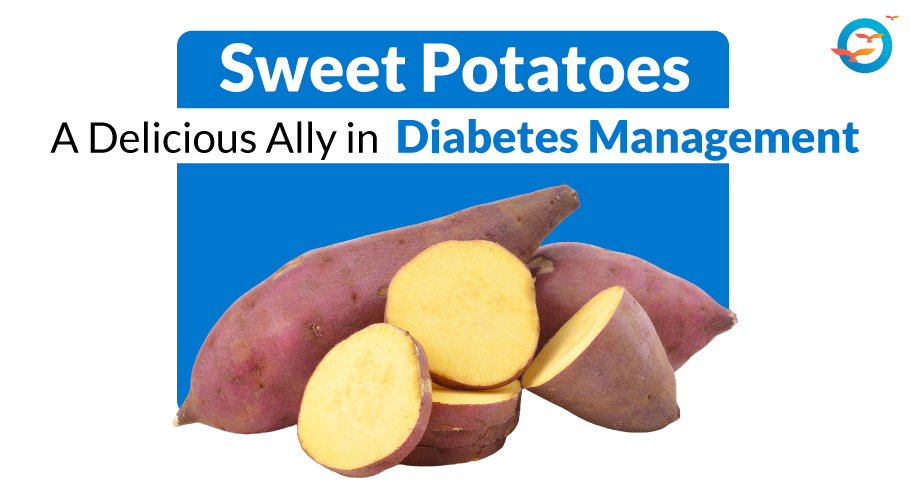
Sweet Potato for Diabetes: Benefits, GI, and How to Eat Safely
Understanding Diabetes and Diet
Diabetes, especially type 2 diabetes is a chronic condition that affects how the body processes glucose, making it crucial for individuals to carefully manage their diet to maintain stable blood sugar levels.
The right food choices play a key role in diabetes management, helping prevent complications, control weight, and improve overall health, emphasizing the importance of a balanced and informed approach to nutrition, especially for people with type 2 diabetes, where insulin resistance and poor insulin sensitivity are common concerns. Managing body weight also helps reduce the risk of obesity, which is closely linked to worsening insulin resistance and poor blood sugar control.
Why Glycemic Index and Glycemic Load Matter?
Diabetics should choose foods after understanding glycemic load (GL) and glycemic index (GI) because these measures provide crucial insights into how different foods affect blood glucose levels.
The glycemic index ranks foods based on how quickly they raise blood glucose, while glycemic load takes into account the quantity of carbohydrates in a serving, offering a more comprehensive view of a food's impact on blood sugar. This is especially important because the amount of carbs consumed directly influences post-meal glucose response.
By selecting foods with low GI and GL, individuals with diabetes can better manage their blood sugar levels, reduce the risk of blood sugar spikes and crashes, and promote overall metabolic health, leading to improved long-term outcomes and better insulin sensitivity.
These choices also support healthy metabolism and sustained energy levels throughout the day.
You can also read this detailed guide on vegetables to improve insulin sensitivity to further support your diet planning.
Sweet Potato for Type 2 Diabetes: Nutritional Overview
Sweet potato is a starchy root vegetable known for its sweet flavor and vibrant orange or purple flesh, making it a popular ingredient in various cuisines and a nutritious addition to a variety of healthy foods. It can be used in a wide range of healthy dish options suitable for balanced diabetic meals.
There are several types of sweet potatoes, including the orange-fleshed varieties, which are rich in beta-carotene, and the purple-fleshed types, known for their antioxidant properties, as well as white and yellow-fleshed varieties.
Sweet potatoes are rich in fiber, aiding digestion and glucose regulation. They contain about 21% more fiber than regular potatoes, aiding in blood sugar management. They are also a good source of essential vitamins and minerals like potassium and magnesium, along with natural starch and complex carbohydrates.
Additionally, they provide antioxidants and nutrients such as vitamin c, which supports immunity and reduces oxidative stress in people with diabetes.
Can Sweet Potatoes Increase Blood Sugar?
The glycemic index of sweet potato varies depending on the cooking method, but it generally ranges from 44 to 94, with boiled sweet potatoes having a lower GI compared to baked ones, making them a healthier option for those managing blood sugar levels. The method of cooking plays a major role in determining how quickly glucose is released into the bloodstream.
Best Cooking Methods for Sweet Potato in Diabetes
Various cooking methods significantly influence the glycemic index (GI) of sweet potatoes, affecting how quickly they raise blood sugar levels. Boiling sweet potatoes tends to result in a lower GI, as this method helps retain moisture and nutrients while breaking down starches more gradually, leading to a slower release of glucose.
In contrast, roasting sweet potatoes can increase their GI due to the caramelization of sugars and the concentration of starches, which can cause a quicker spike in blood sugar. Different cooking techniques can therefore change the nutritional impact of the same food.
Frying sweet potatoes, especially when using unhealthy oils, can further elevate their GI and add excess calories, making it a less favorable option for those managing diabetes and insulin levels.
Therefore, choosing the right cooking method is essential for optimizing the health benefits of sweet potatoes while keeping blood sugar levels in check through proper meal planning.
Incorporating Sweet Potato into a Diabetic Diet
For a diabetic, incorporating sweet potato into meals requires careful consideration of the glycemic load and overall calorie content to maintain stable blood glucose levels as part of well-balanced diets.
It’s essential to assess the portion size of sweet potato, as even though it offers nutritional benefits, consuming it in excess can lead to elevated blood sugar. Paying attention to portion sizes is especially important for managing carbohydrate intake effectively.
A smart approach is to include a moderate quantity, such as half a medium-sized sweet potato, while balancing the meal with low-GI foods like leafy greens, lean proteins, and healthy fats. This balance can also support weight loss goals for individuals managing diabetes.
This combination not only helps to lower the overall glycemic load of the meal but also ensures that the total caloric intake remains within a healthy range, supporting effective diabetes management and overall well-being. It also helps maintain a healthy metabolism and prevents sudden hunger spikes.
You can also explore healthy alternatives and simple diabetic-friendly recipes to include sweet potatoes in a more balanced way.
FAQs:
1. Is sweet potato safe for people with diabetes?
2. What is the glycemic index of sweet potatoes?
The glycemic index (GI) of sweet potatoes ranges from 44 to 94, depending on the cooking method, with boiled sweet potatoes being lower on the scale.
3. Can I eat sweet potatoes daily if I have diabetes?
Yes, you can eat sweet potatoes daily, but portion control is important.
4. How often should diabetics eat sweet potatoes?
A typical serving size is about ½ to 1 cup of cooked sweet potato, depending on individual dietary needs and recommended portion sizes.
5. Can sweet potatoes help with weight management in diabetes?
Yes, sweet potatoes can aid in weight management due to their high fiber content, which promotes satiety and supports gradual weight loss.
6. How often can diabetics consume sweet potato?
Diabetics can eat sweet potatoes 2–3 times a week in moderation. Stick to small portions (½ cup cooked or one small sweet potato) and prefer boiling, steaming, or baking to avoid blood sugar spikes.