The Best Way to Treat Fatty Liver Before It Turns Serious
The Best Way to Treat Fatty Liver Before It Turns Serious
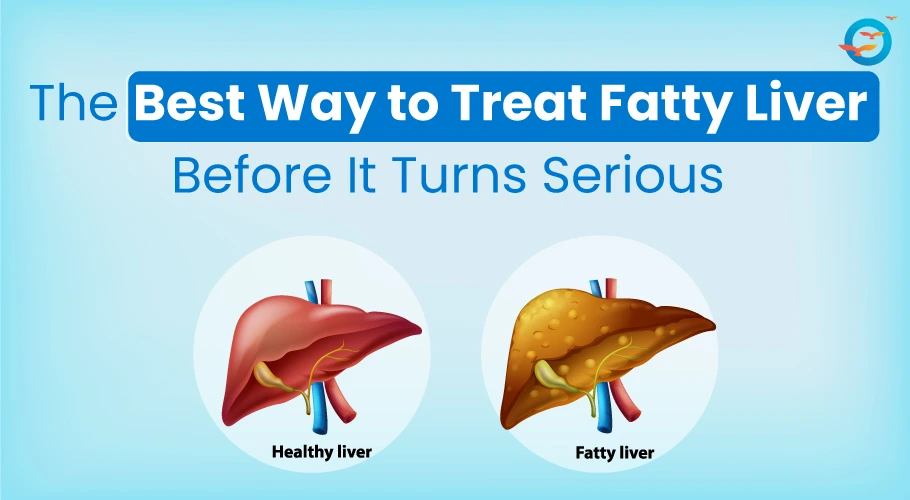
Fatty liver has become one of the most common lifestyle disorders today. What makes it dangerous is not how fast it progresses, but how silently it develops. Many people live with fatty liver for years without symptoms, only discovering it when liver damage has already begun. The best way to treat fatty liver is early, structured intervention before it turns fibrotic or irreversible.
Can Fatty Liver Be Detected Without a Scan?
Yes. A liver test can provide an early warning. One simple marker is the SGPT SGOT ratio. When this ratio is more than 1, it strongly suggests fat accumulation in the liver. You do not need to wait for a sonography scan to take action. Blood markers alone are enough to begin correction.
Why Fat Builds Up in the Liver?
Fatty liver is not caused only by fat intake. In Indian diets, excess carbohydrates play a major role. Grains like wheat and rice convert into glucose, and excess glucose is converted into fat and stored in the liver.
Another contributor is excessive oil and ghee consumption. Many families unknowingly consume far more than required. Over time, this overload strains liver function.
The most critical factor, however, is insulin. High insulin levels actively push fat into the liver. Unless insulin levels are reduced, fatty liver cannot be reversed effectively.
The Best Way to Treat Fatty Liver: A 3-Step Approach
- Reduce Carbohydrates (Short-Term Action)
The first step in a fatty liver diet is reducing grain quantity, not starving. If you eat two chapatis, reduce to one or one-and-a-half. If rice and chapati are eaten together, cut one out. Increase dal, vegetables, and salads instead.
Even two months of reduced grain intake can significantly improve liver markers.
- Control Oil and Ghee Intake (Medium-Term Action)
Most households consume 5–8 teaspoons of oil or ghee per person daily. For fatty liver recovery, this must be reduced.
A safer intake is 2 teaspoons per person per day. Fried foods, heavy gravies, and excess oil are among the key foods to avoid with fatty liver.
- Lower Insulin Levels (Long-Term Action)
Insulin resistance is the engine that drives fat into the liver. Many people with fatty liver have fasting insulin levels around 10 or higher.
Structured fasting done safely helps insulin fall naturally. When supported with vegetables, soups, and hydration, fasting allows the liver to unload stored fat without fatigue or irritation.
Why Early Treatment Is Critical?
Fatty liver is reversible in its early stages. If ignored, it can progress to fibrotic liver, where reversal becomes extremely difficult. Acting early with simple lifestyle changes is the most effective form of prevention.
These liver health tips, grain reduction, oil control, and insulin management form the foundation of long-term liver recovery.
FAQs
-
How can fatty liver be reversed naturally?
Fatty liver can be reversed by reducing carbohydrates, controlling oil intake, and lowering insulin levels through diet and structured fasting. -
Can fatty liver be detected without a scan?
Yes. A liver test showing an SGPT SGOT ratio greater than 1 is enough to indicate fatty liver and start treatment. -
What is the best Indian diet for fatty liver?
A diet with reduced grains, more vegetables, adequate protein, salads, and limited oil works best for fatty liver. -
How much oil or ghee is safe for fatty liver?
Around 2 teaspoons per person per day is considered a safer upper limit during fatty liver reversal. -
What is the role of insulin in fatty liver?
High insulin levels push fat into the liver. Reducing insulin is essential for reversing fatty liver. -
Does fasting help in reversing fatty liver?
Yes. Structured fasting helps lower insulin levels and allows the liver to release stored fat safely. -
Why is early treatment important for fatty liver?
Early-stage fatty liver is reversible. If it progresses to fibrotic liver, recovery becomes extremely difficult.