Best Foods for Managing Cholesterol Naturally
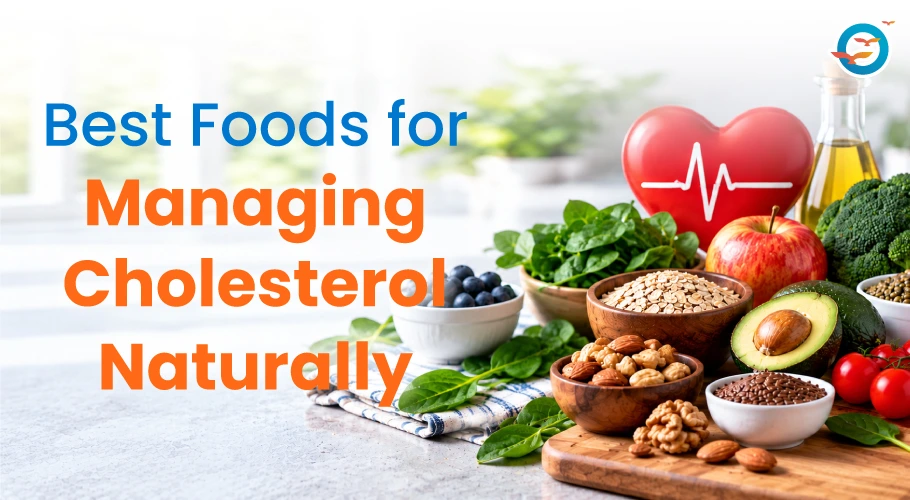
What are the Foods for Managing Cholesterol Naturally?
You get your cholesterol report, look at the LDL number, and suddenly your food starts looking suspicious.
“Should I stop eating everything I enjoy?”
“Can I lower cholesterol naturally?”
“What should I actually eat?”
The good news is that managing cholesterol isn’t about giving up everything you love or finding one magical food. It’s about changing your overall eating pattern.
A good diet to lower cholesterol can be built around simple, whole, plant-based foods rich in fibre, healthy fats and antioxidants. And these don’t need to be exotic ingredients. Many can easily fit into everyday meals.
So, rather than asking “What do I need to remove?”, let’s start with a better question:
What can I add more of?
Why Does Cholesterol Become a Problem?
Cholesterol is essential for the body. The concern is when LDL cholesterol becomes too high, as excess LDL can contribute to plaque buildup in the arteries.
Genetics play a role, but lifestyle matters too. A diet dominated by ultra-processed foods, refined carbohydrates and unhealthy fats, along with inactivity, poor sleep and chronic stress, can contribute to unhealthy cholesterol levels.
These are some of the things that cause high cholesterol or make an existing problem harder to manage.
The good news? Your everyday food choices are one area where you can make a difference.
Start With Fibre
If you’re looking for foods that support healthy cholesterol, start with soluble fibre.
Soluble fibre can bind with cholesterol in the digestive tract and help remove it from the body. That’s why foods rich in soluble fibre lower blood cholesterol and deserve a regular place on your plate.
Oats are an easy starting point. A bowl of oatmeal with fruit and ground flaxseed makes a simple best low cholesterol breakfast.
Later in the day, lentils and chickpeas can bring more fibre to your meals. Instead of searching for one best food for a low-cholesterol diet, aim to include fibre-rich foods throughout the day.
And there’s a bonus: fibre also helps you feel fuller, which can support healthy weight and blood sugar management.
Make Plant Protein a Regular Choice
Protein doesn’t have to come from animal foods.
Lentils, chickpeas, beans, tofu and soy foods provide plant protein along with fibre and other nutrients. Replacing highly processed foods with these whole-food options can be a useful part of the best way to reduce cholesterol without statins.
A well-planned, whole-food vegan diet can support healthy cholesterol levels. However, not all vegan foods are automatically healthy. Choosing minimally processed foods such as legumes, whole grains, vegetables, fruits, nuts and seeds is key.
Think about a simple Indian meal, such as dal, vegetables and millet roti or a chickpea bowl with vegetables and a whole grain.
Choose Healthy Fats
When cholesterol is high, many people become afraid of all fats. But the type of fat matters.
Nuts and seeds provide unsaturated fats, fibre and beneficial plant compounds. You can add Walnuts, almonds, flaxseeds and chia seeds to meals or enjoy as a snack.
So, can eating nuts help manage cholesterol? Yes. Including nuts in sensible portions can support a heart-friendly eating pattern.
Just remember, healthy doesn’t mean unlimited. A small handful is enough.
Build a Cholesterol-Friendly Day
You don’t need a complicated best meal plan to lower cholesterol.
Start your morning with oatmeal, fruit and flaxseed. Have dal and vegetables with a whole grain at lunch. Choose fruit, roasted chickpeas or a few nuts instead of packaged snacks. For dinner, try a vegetable and tofu stir-fry or a lentil-based meal.
This approach also makes it easier to prepare low cholesterol meals for families. You don’t need to cook a completely separate menu for someone managing cholesterol.
The idea is simple: make whole plant foods the centre of your meals and highly processed foods the exception.
Fill Your Plate With Plants
Fruits and vegetables provide fibre, antioxidants and other nutrients that support cardiovascular health.
If you’re wondering which fruits are good for high cholesterol, choose whole fruits such as apples, guava, pears, oranges and berries. Whole fruit is generally preferable to juice because it retains its fibre.
You can add vegetables to almost anything, including dal, soups, stir-fries, wraps, and grain bowls.
These foods can also be part of a pattern of healthy foods to lower cholesterol and blood sugar, although portions still matter if you’re managing blood glucose.
What About Drinks?
No drink can magically lower cholesterol. But your beverage choices still matter.
Water should be your everyday choice. Unsweetened green or black tea can also fit into a heart-friendly diet.
You can also try heart-healthy smoothie recipes using unsweetened soy milk, berries, oats, and ground flaxseed.
If you’re wondering what milk to drink to lower cholesterol, unsweetened soy milk is a practical plant-based option.
What Should You Limit?
A heart-friendly diet isn’t only about what you add. It’s also about what you stop allowing to dominate your meals.
Frequent consumption of deep-fried foods, sugary drinks, packaged snacks, refined flour products and ultra-processed foods can work against your goals. These are some of the things that contribute to high cholesterol when eaten regularly.
Even with heart-healthy frozen meals, don’t rely on the label alone. Check the ingredients and nutrition information, particularly sodium, added sugar and unhealthy fats.
The Bottom Line
No single food will fix high cholesterol.
What matters is the pattern you create day after day. A whole-food, plant-based diet centred on legumes, whole grains, vegetables, fruits, nuts, and seeds can provide fibre, plant protein, and healthy fats while containing no dietary cholesterol.
So instead of focusing only on what you need to give up, ask:
“What can I add to my plate today that my heart will thank me for?”
A bowl of oats. A serving of dal. A handful of nuts.
Small choices, repeated consistently, can become powerful habits.
Want to know more about the warning signs of high cholesterol after 30? Visit our article to learn more.
FAQs
1. What are the best foods for managing cholesterol naturally?
Oats, legumes, fruits, vegetables, nuts and seeds are excellent choices. Soluble-fibre-rich foods are particularly useful for supporting healthy LDL levels.
2. Which foods reduce LDL cholesterol?
Oats, barley, lentils, beans, chickpeas and flaxseeds can help reduce LDL cholesterol as part of an overall healthy diet.
3. Which foods help lower LDL cholesterol?
Fibre-rich whole grains, legumes, fruits, vegetables, nuts and seeds can support healthier LDL levels.
4. Can eating nuts help manage cholesterol?
Yes. Walnuts and almonds provide unsaturated fats and fibre that can support healthy cholesterol levels when eaten in moderation.
5. What should you avoid if you have high cholesterol?
Limit frequent consumption of deep-fried foods, trans fats, sugary drinks, refined foods and ultra-processed snacks.
6. Which fruits are good for high cholesterol?
Apples, pears, guava, oranges and berries are good choices because they provide fibre and antioxidants.
7. Does a vegan diet help lower cholesterol?
A well-planned vegan diet can support healthy cholesterol levels because it emphasizes fiber-rich plant foods and contains no dietary cholesterol. However, highly processed vegan foods aren’t automatically healthy.
8. What is the best juice to lower cholesterol?
No juice can lower cholesterol on its own. Whole fruits are generally preferable because they retain their fibre.
9. What drink is good to lower cholesterol?
Water, unsweetened tea and nutrient-rich smoothies can complement a heart-friendly diet.
10. What tea is good for high cholesterol?
Green and black tea contain plant compounds that may support cardiovascular health. Choose them without added sugar.
11. What are the best nuts for lowering LDL cholesterol?
Walnuts and almonds are good choices because they provide unsaturated fats, fibre, and other heart-friendly nutrients.
12. What are the best fish to eat to reduce cholesterol?
For a vegan approach, fish isn’t included. Flaxseeds, chia seeds and walnuts provide plant-based omega-3 fats (ALA) instead.