Plant-Based Nutrition for Weight Loss: A Healthy and Sustainable Approach
Introduction
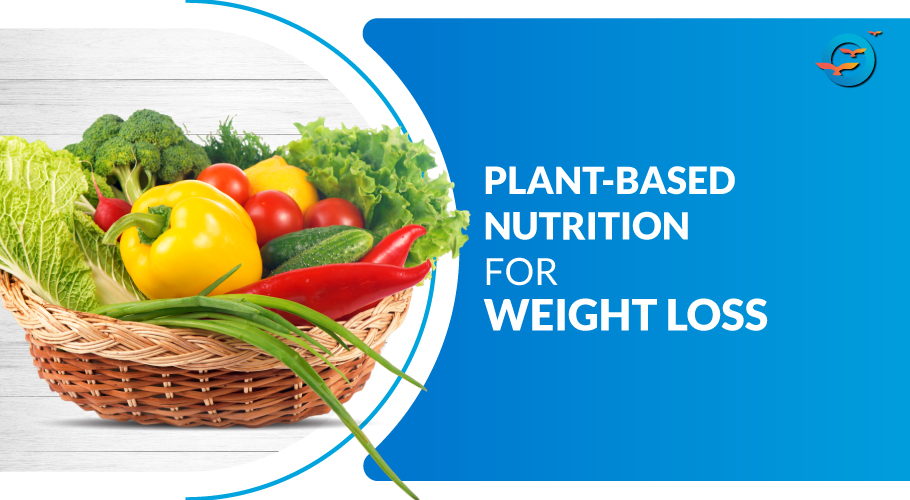
In recent years, plant-based nutrition for weight loss has gained significant popularity, not only for its health benefits but also for supporting a healthy lifestyle and sustainable weight loss.
More and more people are turning to plant-based and vegan diets to shed excess pounds while enjoying a host of other advantages like improved overall health, reduced risk of chronic diseases, better metabolism, and a lower environmental impact.
This article explores the science behind plant-based nutrition for weight loss and provides practical tips, diet plan ideas, and simple meal strategies to help you embark on this transformative journey towards a healthier you.
The Science Behind Plant-Based Weight Loss
- Reduced Caloric Density:
Plant-based diets tend to be lower in calorie density, meaning you can eat more volume of food for fewer calories. Fruits, vegetables, whole grains, beans, legumes, and seeds are rich in fiber and water, helping control hunger, calorie intake, and supporting body mass index (BMI) reduction.
- High Nutrient Content:
Plant-based foods are packed with essential nutrients, including vitamins, minerals, antioxidants, and phytochemicals. This nutrient-dense approach ensures better nourishment while reducing processed food intake and improving overall energy levels.
- Improved Insulin Sensitivity:
Plant-based diets have been shown in multiple studies to enhance insulin sensitivity, reducing the risk of insulin resistance and Type 2 diabetes. Stable blood sugar levels help manage hunger and prevent sudden cravings.
- Enhanced Gut Health:
A diet rich in plant-based foods promotes a diverse gut microbiome. A balanced gut supports better metabolism, improved digestion, and reduced inflammation, all of which play a key role in weight loss.
- Lower Saturated Fat:
Plant-based diets are naturally low in saturated fat. This helps in cholesterol reduction, improved heart health, and supports long-term weight management.
Practical Tips for Plant-Based Weight Loss
- Embrace Whole Foods:
Focus on whole, unprocessed plant foods such as fruits, vegetables, whole grains, beans, nuts, and seeds. Avoid processed vegan snacks and desserts.
- Portion Control:
Even with healthy foods, portion control is important. Managing portion sizes helps regulate calorie intake and prevents overeating.
- Balanced Meals:
Aim for balanced meals that include carbohydrates, plant-based protein, and healthy fats. This helps maintain stable energy levels and reduces hunger.
- Include Protein Sources:
Add plant-based protein sources like tofu, beans, legumes, and lentils. Protein helps improve satiety and supports muscle health.
- Healthy Fats:
Include healthy fat sources like seeds, nuts, and olive oil to support nutrient absorption and overall health.
- Stay Hydrated:
Proper hydration helps regulate metabolism and can reduce false hunger signals.
- Plan and Prepare:
Following a simple plant-based diet plan with healthy recipes can make your journey easier and more consistent.
- Monitor Nutrient Intake:
Ensure adequate intake of key nutrients like vitamin B12, iron, and vitamin D through proper sources or supplements if needed.
- Seek Support:
Combine nutrition with a balanced lifestyle including physical activity, good sleep, and stress management for better results.
Conclusion
Plant-based nutrition offers a holistic approach to weight loss that not only helps shed excess pounds but also supports better metabolism, reduces inflammation, and promotes overall health and well-being.
By adopting a balanced, whole-foods-based plant-powered diet plan with proper portion control, you can achieve your weight loss goals while enjoying delicious and nutritious meals and recipes. It’s a sustainable and environmentally friendly way to take control of your health and transform your life.
We invite you to explore our website to learn more about our introductory program, the "Discover Reversal Session," where you can gain insights into the process of reversing diabetes and obesity. For a comprehensive, year-long journey towards holistic health transformation, our "Holistic Transformation Program" provides guidance and support to help you achieve your wellness objectives.
Join us today to embark on a fresh and healthy journey!
FAQs
1. What is a plant-based diet?
A plant-based diet focuses on foods from plants such as fruits, vegetables, whole grains, legumes, nuts, and seeds, while minimizing or avoiding animal products. It supports overall health and weight loss.
2. What foods are included in a plant-based diet?
It includes fruits, vegetables, whole grains, beans, legumes, nuts, seeds, and plant-based protein sources like tofu. These foods are rich in fiber, nutrients, and antioxidants.
3. How quickly can I expect to lose weight on a plant-based diet?
Weight loss varies for each person, but a balanced plant-based diet with proper portion control can lead to steady and sustainable weight loss over time.
4. How many calories should I eat on a plant-based diet?
Calorie needs vary based on age, gender, and activity level. For weight loss, most people aim for 1,200–1,800 calories per day. Focus on nutrient-dense foods like vegetables, fruits, whole grains, and legumes, and maintain a small calorie deficit for steady weight loss.
5. Are there any risks with a plant-based diet for weight loss?
A plant-based diet is generally safe, but you should monitor nutrients like vitamin B12, iron, and vitamin D to avoid deficiencies.