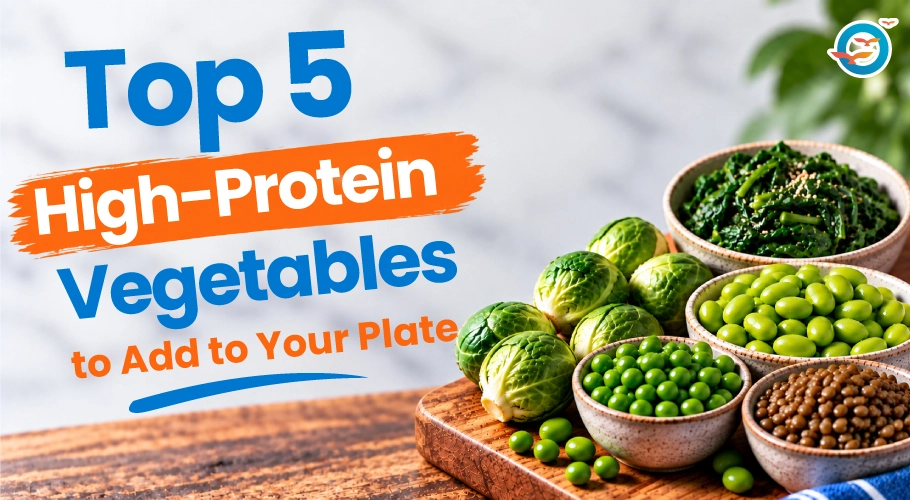
Top 5 High-Protein Vegetables to Add to Your Plate
One of the biggest concerns people have when moving toward a plant-based lifestyle is protein. Many assume that protein only comes from foods like eggs, chicken, or dairy. But the truth is, nature offers plenty of nutritious plant-based options that can help you meet your daily protein needs.
The best part? Unlike many animal-based foods, high protein vegetables come packed with fiber, vitamins, minerals, and antioxidants that support overall health. Whether you’re trying to build muscle, lose weight, improve your energy levels, or follow a healthier lifestyle, adding more vegan sources of protein to your meals is a smart choice.
Let’s explore some of the most nutritious protein rich foods vegetarian eaters can enjoy every day.
Why Plant-Based Protein Matters
Protein plays a crucial role in almost every bodily function. It helps repair tissues, build and maintain muscle, produce hormones and enzymes, and support a healthy immune system.
When you choose the right sources of protein for a plant based diet, you’re not just getting protein but Benefitting from:
- Higher fibre intake for better digestion
- More vitamins and minerals
- Improved gut health
- Better heart health
- Greater satiety and weight management support
A well-planned diet that includes clean vegan protein sources can easily meet your daily protein requirements while promoting long-term health.
Top 5 High-Protein Vegetables
If you’re wondering which vegetables with the most protein deserve a place on your plate, start with these nutritional powerhouses.
1. Edamame (Green Soybeans)
Edamame is often considered the king of high protein veggies, and for good reason.
One cooked cup provides about 17 grams of protein, making it one of the richest plant-based protein sources available. Even better, soy protein contains all nine essential amino acids, making it a complete protein.
Why You’ll Love It
- Rich in protein and fibre
- Contains iron, folate, and magnesium
- Supports muscle recovery and satiety
Easy Ways to Eat It
- Add to salads and grain bowls
- Blend into dips
- Enjoy steamed as a snack
For anyone looking to create satisfying plant protein meals, edamame is a must-have ingredient.
2. Lentils
Although technically legumes, lentils deserve a spot on every list of best protein plant based foods.
One cooked cup provides approximately 18 grams of protein, along with a generous dose of fibre, iron, and potassium.
Why You’ll Love Them
- Highly filling
- Budget-friendly
- Excellent for weight management
Easy Ways to Eat Them
- Add to soups and stews
- Make lentil curries
- Use in salads and grain bowls
Lentils are among the most versatile and affordable clean vegan protein foods available today.
3. Green Peas
Green peas may look small, but they’re surprisingly powerful when it comes to nutrition.
A single cooked cup contains around 9 grams of protein, making them one of the easiest protein-rich vegetables to add to daily meals.
Why You’ll Love Them
- Rich in fiber
- Good source of Vitamin C
- Naturally sweet and versatile
Easy Ways to Eat Them
- Mix into rice dishes
- Add to soups
- Toss into stir-fries and pasta
If you’re looking for simple ways to increase protein intake without dramatically changing your diet, green peas are an excellent option.
4. Cooked Spinach
Spinach is often celebrated for its iron content, but it also deserves recognition as one of the most nutritious high protein vegetables.
Cooking spinach reduces its volume, making it easier to consume larger amounts. One cooked cup provides approximately 5–6 grams of protein.
Why You’ll Love It
- Rich in antioxidants
- Supports eye health
- Provides iron and magnesium
Easy Ways to Eat It
- Add to dals and curries
- Blend into smoothies
- Mix into soups and omelets
When people ask, “What greens have the most protein?”, spinach consistently ranks among the top choices.
5. Brussels Sprouts
Brussels sprouts are often overlooked, but they’re surprisingly nutritious and protein-rich.
One cooked cup contains around 4 grams of protein, along with fibre, Vitamin K, and powerful plant compounds known as glucosinolates.
Why You’ll Love Them
- Support digestive health
- Promote fullness
- Rich in antioxidants
Easy Ways to Eat Them
- Roast with herbs and spices
- Steam and toss into salads
- Add to vegetable bowls
They’re a great addition to high-protein, plant-based meals for weight loss because they provide both protein and fiber.
How to Build Balanced High-Protein Plant Meals
Adding high protein veggies is a great start, but creating balanced meals requires combining different plant foods.
Here are a few simple strategies:
Pair Protein Sources
Combine vegetables with:
- Tofu
- Tempeh
- Lentils
- Chickpeas
- Quinoa
- Hemp seeds
This helps create more complete amino acid profiles and boosts total protein intake.
Plan Ahead
Meal prep can make healthy eating much easier. Preparing batches of lentils, roasted vegetables, or grain bowls ensures you always have access to nutritious meals.
Choose Smarter Snacks
Instead of reaching for processed snacks, try:
- Roasted edamame
- Spiced chickpeas
- Hummus with vegetables
- Mixed nuts and seeds
These make excellent high protein lunch snacks that keep hunger under control.
Final Thoughts
Meeting your protein needs doesn’t require animal products. By including a variety of high protein vegetables, legumes, and other clean vegan protein sources, you can create meals that are nourishing, satisfying, and supportive of your health goals.
From protein-packed edamame and lentils to nutrient-rich spinach and Brussels sprouts, these foods prove that plants can deliver both exceptional nutrition and great taste. Start adding them to your meals today and enjoy the benefits of a stronger, healthier, and more balanced diet.
Visit our blog- 5 Monsoon Fruits That Boosts Your Immunity Naturally
Frequently Asked Questions
What fruits and vegetables have the most protein?
Among vegetables, edamame, green peas, spinach, Brussels sprouts, and broccoli rank among the highest. For fruits, guava, avocado, blackberries, and bananas contain relatively higher amounts of protein compared to most fruits.
What greens have the most protein?
Cooked spinach, kale, beet greens, and mustard greens are among the most protein-rich leafy vegetables, providing roughly 3–6 grams of protein per cooked cup.
Which vegetable has the highest protein content?
Edamame (green soybeans) is considered the vegetable with the highest protein content, offering approximately 17 grams per cooked cup.
Are frozen vegetables as nutritious as fresh ones?
Yes. Vegetables are often frozen shortly after harvest, which helps preserve their nutrient content. Frozen protein rich vegetables can be just as nutritious as fresh varieties.
Can vegetables provide enough protein?
Absolutely. A varied diet containing legumes, vegetables, whole grains, nuts, and seeds can easily meet the protein needs of most adults.
Can protein-rich vegetables help build muscle?
Yes. Consuming adequate calories and protein from high protein foods vegetarian sources, along with regular resistance training, can effectively support muscle growth and recovery.
What food is almost 100% protein?
Protein isolates such as pea protein isolate and soy protein isolate contain very high concentrations of protein with minimal carbohydrates and fats.
What vegetables are packed with protein?
Edamame, green peas, spinach, Brussels sprouts, broccoli, asparagus, and artichokes are among the most protein-dense vegetables available.