7 Symptoms of Protein Deficiency You Should Never Ignore
Everywhere you look, there’s a new "expert" shouting about food. Eat more fruit. Cut down on carbs. But amid all the macro-counting noise, one foundational nutrient is quietly being left off the plate: protein.
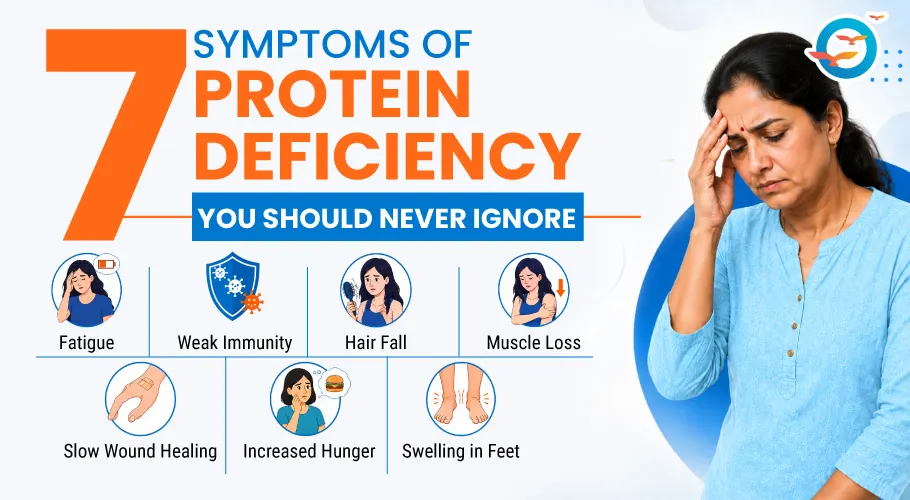
And no, it’s not just for bodybuilders shaking up whey at the gym. Protein is the literal scaffolding of your body essential for repairing tissue, balancing hormones, boosting immunity, and keeping your hair and skin glowing. When you aren't getting enough, your body won't stay silent; it starts dropping warning signs. Here are the subtle red flags of protein deficiency you shouldn't ignore before they turn into long-term health issues.
Why Is Protein Important?
Before understanding the warning signs, it is important to know why protein is important. Protein is made up of amino acids, which are the building blocks of the body. Every cell relies on protein for growth, repair, and proper functioning. A prolonged lack of protein in diet can affect multiple systems in the body, leading to noticeable physical and health changes.
7 Symptoms of Protein Deficiency
- Constant Fatigue and Low Energy
If you feel tired throughout the day despite getting adequate sleep, protein deficiency could be one of the reasons. Protein helps maintain muscle health and supports energy production. When protein intake is low, the body struggles to repair and maintain tissues efficiently, leading to persistent fatigue.
- Frequent Infections and Weak Immunity
One of the lesser-known consequences of protein deficiency is a weakened immune system. Antibodies and immune cells are made from proteins. Without enough protein, your body may find it harder to fight infections.
If you often catch colds, experience slow recovery from illnesses, or wonder what causes a weakened immune system, inadequate protein intake could be a contributing factor.
- Hair Fall and Brittle Nails
Hair and nails are largely made of protein. When the body faces a shortage, it prioritizes essential functions and reduces protein supply to hair and nails. As a result, excessive hair fall, thinning hair, weak nails, and brittle nail texture can develop.
- Muscle Loss and Weakness
Muscles act as the body's protein reserve. During prolonged protein deficiency, the body starts breaking down muscle tissue to meet its needs. This can lead to reduced strength, muscle weakness, and loss of lean body mass.
- Slow Wound Healing
Cuts, bruises, and injuries require protein for tissue repair. If wounds take longer than usual to heal, it may indicate that you are not getting enough protein to support recovery.
- Increased Hunger and Cravings
Protein helps promote satiety and keeps you feeling full for longer. A lack of protein in diet may leave you feeling hungry soon after meals, increasing cravings for sugary and processed foods.
- Swelling in Feet, Legs, or Face
Severe protein deficiency can reduce the level of albumin, a protein that helps maintain fluid balance in the bloodstream. Low albumin levels may cause fluid retention, leading to swelling in the feet, ankles, legs, or face.
Causes of Lack of Protein
Several factors can contribute to causes of lack of protein, including:
- Poor dietary choices
- Extremely restrictive diets
- Eating disorders
- Digestive disorders affecting nutrient absorption
- Increased protein requirements during illness or recovery
- Aging and reduced appetite
How to Increase Protein Intake Naturally
If you're concerned about protein deficiency, focus on adding protein-rich foods to your daily meals.
Protein-Rich Indian Foods
- Moong dal and other lentils
- Chickpeas and kidney beans
- Soybeans and tofu
- Vegan curd
- Nuts and seeds
Spreading protein intake evenly throughout the day often works better than consuming it all in one meal.
Conclusion
The symptoms of protein deficiency can appear gradually and are often mistaken for everyday tiredness or stress. From hair loss and muscle weakness to recurring infections and slow healing, your body has ways of signaling that it needs more protein. Understanding why protein is important and recognizing these warning signs can help you take timely action and protect your long-term health.
Do you want to know more about Anti-Inflammatory Foods for Better Blood Sugar, visit our blog.
FAQs
1. What are the most common symptoms of protein deficiency?
Common symptoms include fatigue, hair loss, muscle weakness, frequent infections, slow wound healing, increased hunger, and swelling in the body.
2. Can protein deficiency weaken the immune system?
Yes. Protein is essential for producing antibodies and immune cells. Protein deficiency can weaken immune function and increase infection risk.
3. How can I tell if I'm not getting enough protein?
Persistent tiredness, muscle loss, hair fall, poor recovery from illness, and frequent hunger may indicate that you are not getting enough protein.
4. What causes protein deficiency in adults?
Poor dietary intake, restrictive eating patterns, digestive disorders, aging, and certain medical conditions are common causes.
5. Which Indian foods are rich in protein?
Lentils, chickpeas, soybeans, tofu, nuts, & seeds, are excellent protein-rich options.
6. How can I increase my protein intake naturally?
Include a protein source in every meal, choose whole foods like dals, legumes, nuts, and seeds, and avoid relying heavily on processed foods.
7. Can protein deficiency cause hair loss and fatigue?
Yes. Hair loss and persistent fatigue are among the most common consequences of protein deficiency.