Childhood Obesity: What Every Parent Needs to Know
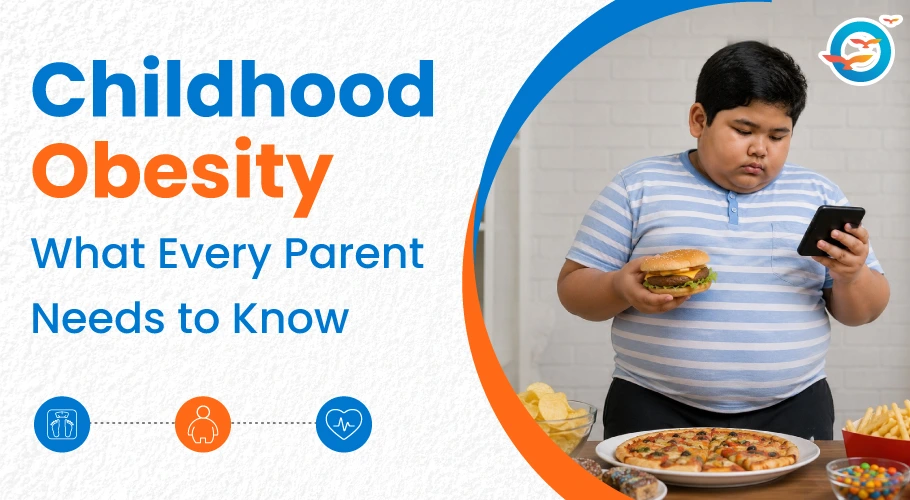
Childhood obesity is becoming increasingly common worldwide and is now one of the biggest health concerns among children. It occurs when excess body fat affects a child's health and well-being. Understanding the reasons for childhood obesity is important because obesity in childhood often continues into adulthood, increasing the risk of several chronic diseases.
What Is Childhood Obesity?
Childhood obesity is a complex condition influenced by lifestyle, environment, family habits, and genetics. While consuming more calories than the body burns is the basic cause, several factors contribute to this imbalance.
Why Is Childhood Obesity Increasing?
One of the main reasons for childhood obesity is the growing consumption of highly processed foods and sugary drinks. Many foods cause childhood obesity because they contain excess calories, added sugars, and unhealthy fats.
Another major factor is reduced physical activity. Children's outdoor play has decreased significantly as screen-based entertainment becomes more common. Poor sleep habits and emotional eating triggered by stress or boredom can also contribute to weight gain.
Major Causes and Risk Factors
Unhealthy Eating Habits
Frequent intake of fast food, packaged snacks, sugary beverages, and oversized portions can lead to excessive calorie consumption. Following a balanced diet for childhood obesity can help children maintain a healthy weight and receive essential nutrients.
Lack of Physical Activity
Regular movement is essential for healthy growth. When children spend most of their time sitting, they burn fewer calories and may gain excess weight over time.
Excessive Screen Time
Long hours spent watching television, gaming, or using mobile devices often replace active play. Excessive screen time may also expose children to advertisements promoting unhealthy foods.
Genetics and Other Factors
Family history can increase the likelihood of childhood obesity. In rare cases, hormonal disorders, medical conditions, or certain medications may contribute to weight gain.
Health Risks of Childhood Obesity
Childhood obesity can increase the risk of:
- Type 2 diabetes
- Insulin resistance
- High blood pressure
- Fatty liver disease
- Joint problems
- Sleep apnea
It may also affect emotional health, leading to low self-esteem, anxiety, and social difficulties.
How to Prevent Childhood Obesity
Preventing obesity starts with healthy daily habits.
- Encourage a nutritious diet for childhood obesity that includes fruits, vegetables, whole grains, and minimally processed foods.
- Ensure children get at least 60 minutes of physical activity daily.
- Promote childrens outdoor play through sports, cycling, walking, and active games.
- Limit recreational screen time.
- Maintain consistent sleep schedules.
Parents play a crucial role in helping prevent childhood obesity by modelling healthy habits and creating a supportive home environment.
Childhood Obesity Self-Care Tips
Effective childhood obesity self care involves family participation. Eat meals together, avoid using food as a reward, encourage mindful eating, and involve children in meal planning. These small steps can help families understand how to control childhood obesity in a sustainable way.
Conclusion
Childhood obesity is influenced by multiple factors, including diet, activity levels, sleep, environment, and genetics. The good news is that healthy family habits can help prevent childhood obesity and improve long-term health. Focusing on nutritious food, regular movement, adequate sleep, and reduced screen time can make a meaningful difference in a child's future.
Do you want to know about Body mass index (BMI)? Visit our blog to learn more.
FAQs
1. Why is childhood obesity increasing?
Childhood obesity is increasing due to unhealthy eating habits, excessive screen time, reduced physical activity, poor sleep, and greater availability of ultra-processed foods.
2. What are the main childhood obesity risk factors?
The main risk factors include poor diet, lack of exercise, family history, excessive screen use, inadequate sleep, and certain medical conditions.
3. What are some healthy snacks for weight management in children?
Fresh fruits, vegetable sticks, roasted chickpeas, nuts, yogurt, and homemade sprouts are healthy snack options.
4. How can I help my child lose weight safely?
Focus on healthy eating, regular physical activity, proper sleep, and gradual lifestyle changes rather than restrictive diets.
5. What outdoor play helps prevent childhood obesity?
Cycling, running, football, swimming, dancing, skipping, and playground activities are excellent choices.
6. How much physical activity do children need each day?
Children should get at least 60 minutes of moderate-to-vigorous physical activity daily.
7. What foods cause childhood obesity?
Sugary drinks, fast food, chips, candies, packaged snacks, and highly processed foods are common foods that cause childhood obesity.
8. Does lack of exercise cause childhood obesity?
Yes. Physical inactivity reduces calorie expenditure and increases the risk of weight gain.
9 Does too much screen time cause childhood obesity?
Excessive screen time contributes to sedentary behavior and often encourages unhealthy eating habits.
10. What are the best alternatives to screen time for children?
Outdoor games, sports, cycling, reading, drawing, music, puzzles, gardening, and family activities are excellent alternatives.