Eating Carbs? Here's What Happens to Your Blood Sugar
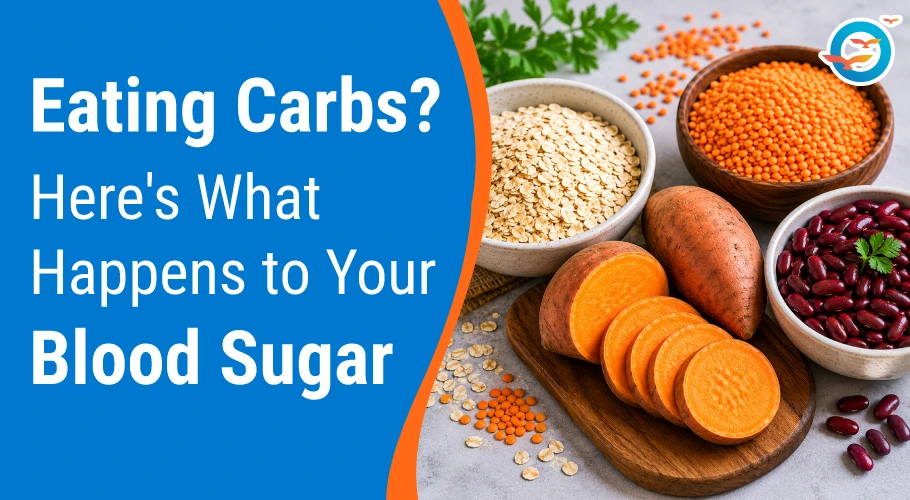
Carbohydrates often get blamed for high blood sugar levels, but the truth is more nuanced. Not all carbs affect the body in the same way. Understanding how carbohydrates are digested, absorbed, and used by the body can help you make smarter food choices and achieve better blood sugar control.
Whether you have diabetes, prediabetes, or simply want to improve your metabolic health, knowing how carbohydrates impact blood sugar is essential.
What Happens When You Eat Carbohydrates?
When you eat foods containing carbohydrates, your digestive system breaks them down into glucose, which enters the bloodstream.
As blood glucose levels rise, the pancreas releases insulin. The insulin and glucagon function work together to keep blood sugar balanced.
- Insulin helps move glucose from the blood into cells where it can be used for energy.
- Glucagon signals the liver to release stored glucose when blood sugar drops.
This constant balancing act ensures that your body and brain receive a steady supply of energy throughout the day.
Simple Carbohydrates vs Complex Carbohydrates
Not all carbohydrates have the same effect on blood sugar.
Simple Carbohydrates
Simple carbohydrates are quickly digested and absorbed, causing a rapid rise in blood glucose levels.
Examples include:
- Sugar
- Soft drinks
- Candy
- White bread
- Sweet desserts
Because simple carbohydrates are absorbed quickly, they often lead to sudden blood sugar spikes followed by crashes in energy.
Complex Carbohydrates
Complex carbohydrates contain longer chains of sugar molecules and are usually digested more slowly.
Examples include:
- Oats
- Lentils
- Beans
- Brown rice
- Whole grains
- Sweet potatoes
Most complex carbohydrates also provide fiber, vitamins, and minerals, making them a healthier choice for people concerned about blood sugar management.
Why Do Some Carbs Raise Blood Sugar Faster?
Several factors influence how carbohydrates affect blood sugar.
Processing Matters
The more processed a food is, the faster it is usually digested.
For example, white bread and refined cereals are broken down more quickly than minimally processed whole grains.
Fiber Slows Glucose Absorption
Fiber acts like a natural brake on digestion.
Foods rich in fiber slow glucose absorption and reduce sudden blood sugar spikes. This is why many foods considered a food that reduces sugar level naturally are also rich in fiber.
Examples include:
- Vegetables
- Lentils
- Beans
- Oats
- Whole grains
Combining Foods Helps
Eating carbohydrates along with protein, healthy fats, or vegetables slows digestion and helps maintain steadier blood sugar levels.
For example:
- Rice with dal and vegetables
- Fruit with nuts
- Whole grains with paneer or legumes
These combinations reduce the speed at which glucose enters the bloodstream.
Understanding Glycemic Index and Glycemic Load
What Is the Glycemic Index?
The Glycemic Index (GI) measures how quickly a carbohydrate-containing food raises blood sugar.
GI Categories:
- Low GI: 55 or less
- Medium GI: 56–69
- High GI: 70 or above
Low-GI foods are digested more slowly and generally cause a gradual rise in blood sugar.
What Is a Glycemic Load?
While GI measures speed, Glycemic Load (GL) measures both speed and quantity.
For example, watermelon has a relatively high GI but a low GL because it contains less digestible carbohydrate per serving.
This makes GL a more practical indicator of a food's real-world effect on blood sugar.
Carbs in Common Foods: Which Ones Are Better?
When evaluating carbs in common foods, focus on both quality and quantity.
Better carbohydrate choices include:
- Lentils
- Beans
- Apples
- Oranges
- Oats
- Brown rice
- Whole grains
- Non-starchy vegetables
Foods that often cause larger blood sugar spikes include:
- Sugary beverages
- White bread
- Refined cereals
- Candy
- Ultra-processed snacks
Understanding the carbohydrate content in foods can help you choose options that provide energy without causing major glucose fluctuations.
Is a Low Carb Diet for Diabetics Necessary?
Many people believe all carbohydrates should be avoided.
However, research shows that quality matters more than complete elimination.
A well-designed low carb diet for diabetics can help improve blood sugar control, but the goal should be choosing better carbohydrates rather than avoiding them entirely.
Focus on:
- Whole foods
- High-fiber carbohydrates
- Balanced meals
- Portion awareness
A sustainable low carb diet for diabetics should support long-term health rather than becoming overly restrictive.
Practical Ways to Reduce Blood Sugar Spikes
To improve glucose control:
- Fill half your plate with vegetables.
- Choose whole grains over refined grains.
- Include protein in every meal.
- Increase fiber intake.
- Limit sugary drinks.
- Stay physically active after meals.
These habits can help stabilize blood sugar and improve insulin sensitivity over time.
Conclusion
Carbohydrates are not inherently bad. The key is understanding which carbohydrates you eat, how much you eat, and what you combine them with.
By learning the difference between simple carbohydrates and complex carbohydrates, understanding the insulin and glucagon function, and choosing foods with a lower glycemic impact, you can support healthier blood sugar levels and better long-term metabolic health.
Want to learn about High Blood Sugar Warning Signs? Read our blog.
FAQs
1. How do carbohydrates affect blood sugar levels?
Carbohydrates are broken down into glucose during digestion. This glucose enters the bloodstream and raises blood sugar levels, triggering insulin release.
2. What is the glycemic index (GI)?
The Glycemic Index is a scale that ranks carbohydrate-containing foods based on how quickly they raise blood sugar after eating.
3. What is the difference between glycemic index and glycemic load?
GI measures how quickly a food raises blood sugar, while Glycemic Load considers both the speed and the amount of carbohydrate in a serving.
4. Which carbohydrates are best for blood sugar control?
High-fiber complex carbohydrates such as oats, lentils, beans, vegetables, and whole grains are generally best for blood sugar management.
5. Do all carbohydrates raise blood sugar in the same way?
No. Simple carbohydrates are absorbed quickly and can cause rapid spikes, while complex carbohydrates are digested more slowly and typically have a gentler effect.
6. What are low glycemic index foods?
Examples include lentils, beans, oats, apples, oranges, and most non-starchy vegetables.
7. How does fiber help control blood sugar?
Fiber slows digestion and glucose absorption, helping prevent sudden increases in blood sugar after meals.
8 Can eating high-GI foods increase the risk of type 2 diabetes?
Research suggests that regularly consuming high-GI foods may increase the risk of insulin resistance and type 2 diabetes over time.
9. Are whole grains better than refined grains for blood sugar management?
Yes. Whole grains contain more fiber and nutrients, resulting in a slower rise in blood sugar compared to refined grains.
10. How can I prevent blood sugar spikes after meals?
Choose high-fiber foods, add protein and healthy fats to meals, stay active, and prioritize minimally processed carbohydrates.