Is Intermittent Fasting Silently Causing Muscle Loss After 40
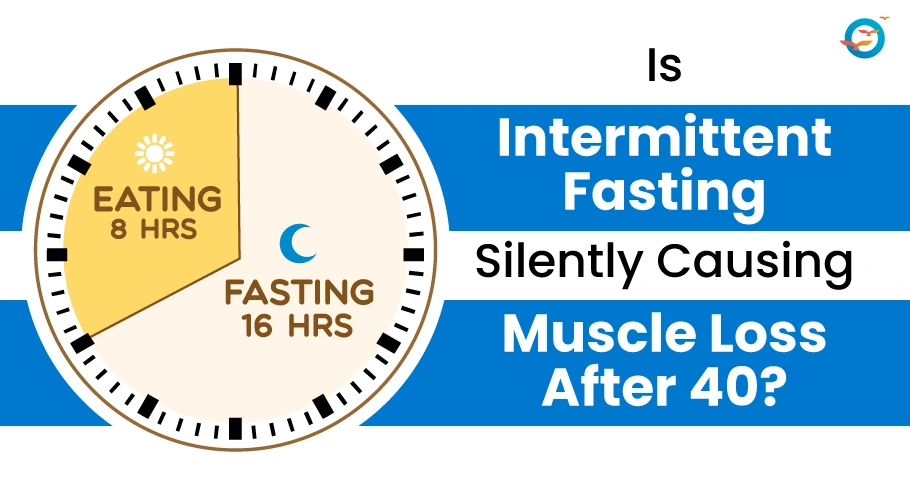
Intermittent fasting has become one of the most popular weight loss strategies in recent years. Eating only twice a day or following a 16-hour fasting window promises quick fat loss, better blood sugar control, and freedom from calorie counting. But emerging research is now raising an important question: Is intermittent fasting muscle loss the hidden cost of long-term fasting routines?
For younger bodies, short-term fasting can work well. But after the age of 40, the rules of metabolism change. And ignoring that change may explain why many people experience an intermittent fasting weight loss plateau or even regain fat and rising sugar levels after initial success.
Why Muscle Matters More Than You Think?
Muscle is the body’s metabolic engine. It burns fat, absorbs glucose from the bloodstream, and maintains a strong resting metabolism. When muscle mass declines, fat burning slows and blood sugar regulation weakens.
After the age of 40, natural muscle breakdown accelerates. If long daily fasting windows continue without enough protein intake or resistance activity, the risk of 16 hour fasting muscle loss increases. Over time, eating twice a day muscle loss becomes a real possibility for older adults.
This is why many people experience stalled fat loss, rising sugar readings, or gradual fat gain even while following the same fasting routine.
Does Intermittent Fasting Cause Muscle Loss Long-Term?
Short-term fasting does not harm muscles. But long-term daily fasting without structured nutrition and strength support can gradually reduce lean mass. This answers the rising question: Does intermittent fasting cause muscle loss? In many adults over 40, prolonged daily fasting patterns can contribute to it.
When muscle reduces, the body burns fewer calories at rest. Fat returns more easily. Blood sugar control worsens. This creates the frustrating cycle where fat returns after intermittent fasting despite discipline.
Why Weight Loss Plateaus on 16:8 Patterns?
The intermittent fasting weight loss plateau happens when the body adapts to lower calorie intake and reduced muscle mass. The metabolism slows, hunger signals rise, and fat burning efficiency declines. Continuing the same routine then produces diminishing returns.
At this stage, increasing fasting duration further only increases muscle loss risk not fat loss.
The Smarter Strategy: Structured Short-Term Fasting
Instead of performing daily intermittent fasting for years, better results come from short, structured metabolic fasting for weight loss, done periodically under guidance. This allows rapid fat reduction while protecting muscle tissue.
Once fat loss is achieved, the focus must shift to nutrition restoration, adequate protein, and resistance exercise to rebuild muscle. This is how long-term fat loss and sugar control become sustainable.
The Key Takeaway
Intermittent fasting is not the enemy. Unstructured long-term fasting is. After 40, preserving muscle becomes the priority for sustainable fat loss and stable blood sugar. When fasting is used strategically not endlessly, transformation becomes safe, fast, and lasting.
Want to understand how intermittent fasting affects type 2 diabetes? Visit our blog for clear, expert-backed insights.
FAQs
1. Does intermittent fasting cause muscle loss?
Short-term intermittent fasting does not cause muscle loss. However, long-term daily fasting without sufficient protein intake and strength training can lead to gradual muscle breakdown, especially after 40.
2. Why does weight loss plateau on 16:8 intermittent fasting?
A plateau occurs when metabolism slows due to reduced muscle mass and long-term calorie restriction. The body adapts, making further fat loss harder despite continuing the same fasting routine.
3. What are the risks of long-term intermittent fasting?
Potential risks include muscle loss during fasting, slowed metabolism, hormonal imbalance, fatigue, and eventual fat regain if fasting is continued daily for years without nutritional structure.
4. Why does fat return after intermittent fasting?
When muscle mass declines, the body burns fewer calories at rest. Once normal eating resumes, fat is regained faster due to reduced metabolic capacity.
5. Is intermittent fasting risky after the age of 40?
After 40, natural muscle loss accelerates. Long daily fasting windows without strength training and adequate protein increase muscle loss risk, making fasting riskier if unstructured.
6. Does eating only twice a day lead to muscle loss?
Eating twice a day can lead to insufficient protein distribution across meals, increasing muscle breakdown risk if continued long term without resistance training.
7. How does muscle loss affect blood sugar levels?
Muscle is the primary tissue that absorbs glucose. When muscle mass reduces, blood sugar regulation weakens, increasing diabetes risk.
8. How can muscle be preserved while losing weight quickly?
By using short-term structured fasting for fat loss, followed by protein-rich nutrition and resistance training to rebuild and preserve muscle.