Common Vitamin Deficiencies: Symptoms You Should Never Ignore
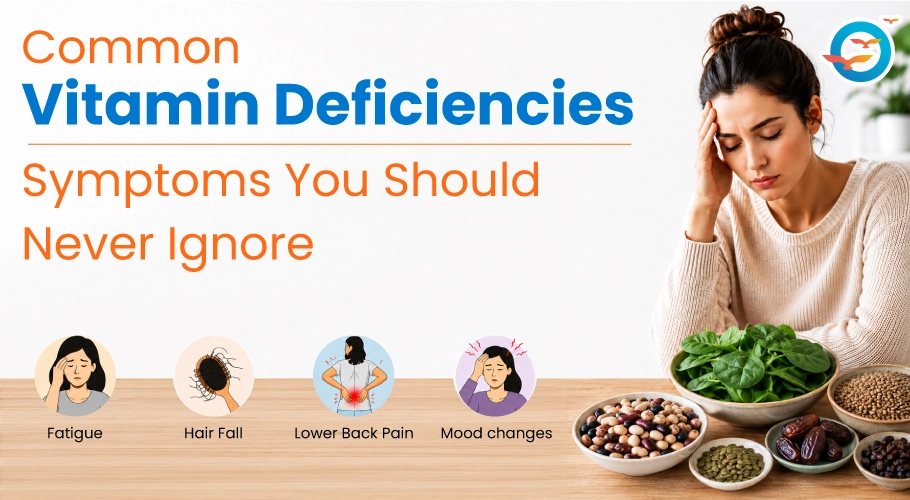
Feeling tired even after sleeping well? Experiencing hair fall, muscle weakness, brain fog, low mood, or constant fatigue? These are often ignored as signs of stress or a busy lifestyle, but they may actually point toward hidden vitamin deficiencies.
Today, Vitamin B12 deficiency, Vitamin D deficiency, and Iron deficiency are becoming increasingly common across all age groups. These nutrients are essential for energy production, immunity, brain function, oxygen transport, metabolism, and bone health. When levels start dropping, the body slowly begins to show warning signs.
The concerning part is that deficiencies are rising even among people who believe they are eating healthy. Modern lifestyles, poor gut health, indoor routines, processed foods, and absorption issues are major reasons behind this growing problem.
Why Are Vitamin Deficiencies Increasing?
One major reason is the shift toward indoor living. Most people spend long hours inside offices, homes, or in front of screens. This significantly reduces sunlight exposure, which directly affects Vitamin D production in the body.
Another important factor is the rise of ultra-processed foods. Modern diets are often calorie-rich but nutrient-poor. Refined grains, packaged snacks, sugary foods, and irregular eating patterns reduce overall micronutrient intake.
Gut health also plays a major role. Even if your diet looks healthy, poor digestion and inflammation can affect nutrient absorption. Conditions like acidity, bloating, fatty liver, celiac disease, and gut imbalance may reduce the absorption of Vitamin B12, Iron, and Vitamin D.
Long-term use of medications like antacids, proton pump inhibitors, and Metformin may also interfere with Vitamin B12 absorption.
Common Vitamin Deficiency Symptoms
Many vitamin deficiency symptoms appear slowly and are often ignored until they become severe.
Low B12 Symptoms
- Extreme fatigue
- Tingling or numbness in hands and feet
- Brain fog and poor memory
- Mood changes
- Dizziness and weakness
Vitamin D Symptoms
- Bone pain
- Lower back pain
- Muscle weakness
- Frequent infections
- Low mood and tiredness
Iron Deficiency Symptoms
- Hair fall
- Pale skin
- Cold hands and feet
- Breathlessness
- Brittle nails and weakness
Ignoring these symptoms for long periods may affect immunity, heart health, nerve function, and overall metabolic health.
Best Foods to Improve Vitamin Levels Naturally
Food should always be the first step toward recovery.
Foods High in Vitamin D
- Safe sunlight exposure
- Egg yolk
- Fatty fish
- Fortified dairy products
- UV-exposed mushrooms
Foods With Iron
- Spinach
- Lentils and beans
- Garden cress seeds
- Pumpkin seeds
- Dates and raisins
Pair iron-rich foods with Vitamin C sources like lemon, amla, guava, or tomatoes to improve absorption naturally.
Vitamin B12-Rich Foods
- Eggs
- Curd
- Paneer
- Dairy products
- Fish
- Fortified foods
People following strict vegetarian or vegan diets may require vitamin B12 deficiency treatment through proper supplementation under medical guidance.
Daily Tips to Prevent Vitamin Deficiency Naturally
Small lifestyle habits can make a huge difference.
- Spend 15–20 minutes in direct sunlight daily
- Eat balanced meals with protein, vegetables, and healthy fats
- Reduce ultra-processed foods
- Improve digestion and gut health
- Avoid tea or coffee immediately after iron-rich meals
- Stay physically active
- Sleep on time and manage stress
Regular blood tests are also important. Common tests include Vitamin B12, Vitamin D, Ferritin, Hemoglobin, and CBC levels.
Final Thoughts
Vitamin deficiencies are becoming a silent health problem in modern lifestyles. Constant fatigue, weakness, poor concentration, low immunity, and body pain should not be ignored.
The good news is that most deficiencies can be prevented naturally through better food choices, improved gut health, sunlight exposure, and healthy daily routines. Instead of depending only on supplements, focus on building sustainable lifestyle habits that support long-term metabolic and overall health.
FAQs
1. What are the most common vitamin deficiencies and their symptoms?
The most common deficiencies are Vitamin B12, Vitamin D, and Iron deficiency. Symptoms include fatigue, weakness, brain fog, hair fall, muscle pain, low immunity, and dizziness.
2. What are the early signs of vitamin B12 deficiency?
Early low B12 symptoms include tiredness, tingling in hands and feet, poor memory, dizziness, and difficulty concentrating.
3. What causes vitamin D deficiency in adults?
Lack of sunlight exposure, indoor lifestyles, obesity, poor gut health, and low dietary intake are common causes of Vitamin D deficiency.
4. What are the best foods high in iron and vitamin B12?
Iron-rich foods include spinach, lentils, seeds, and beans. Vitamin B12-rich foods include eggs, dairy products, fish, and fortified foods.
5. How can vitamin deficiencies be prevented naturally?
Regular sunlight exposure, balanced nutrition, better digestion, physical activity, quality sleep, and reducing processed foods can help prevent vitamin deficiencies naturally.