Best Berries for Diabetics: Top Choices and Health Benefits
Diabetes type 2 commonly referred to as T2D is emerging as a global pandemic. The pharmacological interventions are not just costly but associated with adverse side effects. This is the point where nutritional therapy comes in to play a role in the prevention, development, and treatment of type 2 diabetes.
Type 2 diabetes is a metabolic disorder characterized by high blood sugars due to insulin resistance and/or insufficient insulin production. Nutrition therapy is considered an integral part of diabetes management. The complex carbohydrates in fruits, legumes, whole grains, and vegetables help greatly. The polyphenolic flavonoids which are the dietary bioactive compounds found in fruits, berries have shown to have anti-diabetic effects in studies.
Aim for up to three servings of fruit per day, spaced through the day; for berries a single serving is generally about 3/4 to 1 cup of fresh berries (roughly 1/2 cup if frozen or canned, which is about 15 grams of carbohydrate). Blueberries in particular are nutrient-dense, relatively low in calories and provide vitamin C, fiber and antioxidants that can support blood sugar control when eaten as part of a balanced diet. Because berries do contain carbohydrates and natural sugars, pairing a serving with protein and healthy fat—such as yogurt, cheese or nut butter—helps slow digestion and blunt glucose spikes; a small handful is a convenient snack, and berries work well added to oatmeal or Greek yogurt instead of processed sweeteners or sugary juices. For variety, combine them with other berries like raspberries and blackberries, or pair them with slices of apple or banana while keeping portion servings in perspective. Paying attention to the sugar content of fruits and balancing them with protein-rich foods can support better blood glucose control while allowing you to enjoy their many health benefits as part of a diabetes-friendly eating plan.
- Berries are low in sugar and high in fiber.
- They help regulate blood sugar levels.
- Blueberries and strawberries are especially beneficial for diabetics.
- Berries contain antioxidants that reduce inflammation.
- Consuming berries can improve insulin sensitivity.
What is a Berry?
A berry can be described as pulpy, edible, small fruit. Typically berries are bright colored and juicy with a sweet, sour, or tart taste with many seeds present
Common edible berries are
- Strawberry
- Blueberry
- Blackberry
- Red- Currants
- white Currants
- Black currants
- Raspberry
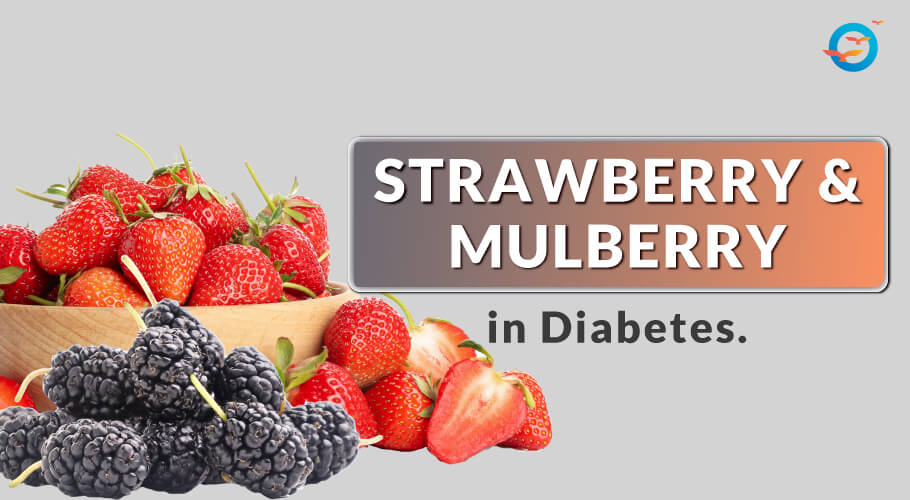
The real truth is berries are a superfood for diabetes as they are packed with antioxidants and fiber and they play a crucial role in diabetes. Today, we will study 2 berries strawberry and mulberry.
Berry Facts & Research
-
A typical serving of common berries contains about 15 grams of carbohydrate for a half-cup portion; common recommended serving sizes of three-quarters to one cup therefore provide roughly 22 to 30 grams of carbs. That 15 g estimate generally applies to fresh, frozen, or canned half-cup portions. For example, a 100 g portion of blueberries contains roughly 14.7 g of sugar, which is one reason berries are often considered lower-sugar fruit choices.
-
About 62% of people with diabetes report that including berries regularly helps them manage blood sugar levels more effectively.
-
Strawberries provide nearly 24% of the daily recommended vitamin C intake per 100 g.
-
Raspberries have a low glycemic index (GI ≈ 32), making them suitable for people with diabetes.
-
Consuming around 150 g of mixed berries may help reduce post-meal blood glucose spikes by approximately 18%.
1. Strawberry
Many diabetics shy away from fruit because they perceive it to be high in sugar and therefore likely to raise their blood glucose levels. However, the American Diabetes Association encourages diabetics to include fruit as part of their diets because fruits, including strawberries, contain minerals like potassium zinc, phosphorus, magnesium, and important vitamins like B6, E, K, and A. Strawberry is one of the seasonal fruits with a low glycemic index of 40. You can few strawberries to your smoothie or have 3 to 4 of them.
Calories in strawberry (100 g) - 33 calories
Strawberry Benefits
Recent reviews have indeed reported that berries, like strawberries (strawberry fruit) can lower markers of retinopathy, nephropathy, and neuropathy risk in humans.
It is well known that cranberries and strawberries are rich in polyphenols and contain phenolic compounds. According to studies, polyphenols improve peripheral glucose uptake and glucose metabolism by increasing GLUT4 (Glucose transporter) activity and reducing inflammation and oxidative stress.
It has recently been demonstrated that it reduces glycemia and improves insulin sensitivity.
2. Mulberry
Mulberry fruits are fleshy and delicious, which are low in calories and contain health-promoting phytonutrients like minerals, polyphenols, and vitamins essential for optimum health.
Mulberry fruits have been used in the treatment and prevention of diabetes for a long time. Also, used as a general tonic in traditional oriental medicine.
Its unique color is described as Mulberry color.
Mulberry Benefits
Mulberry fruit has been used in the prevention of various chronic diseases. its extract is known for its hypolipidemic effect, antitumor activity, and antioxidant activity. The major bioactivity is due to phenolics. Mulberry fruit, like other berries, contains high amounts of flavonoids plus anthocyanins that are responsible for its color, and other phenolics. Anthocyanins found in mulberry extract exhibit potent neuroprotective and antitumor activity.
So diabetics, go ahead and have berries.
Did you find this information useful? If yes, do share it with your family and friends. We are also open to suggestions if any.
Freedom from Diabetes blog is rich in content when it comes to diabetes and related topics.
You can also find unique information on cherries, Jamun, mint, fenugreek all useful in diabetes.

Disclaimer:
This Blog solely serves our marketing purposes, for Authentic knowledge for this topic, Please join our upcoming DRS Batch.