3 Common Indian Diet Mistakes That Increase Your Diabetes Risk (Must Avoid)
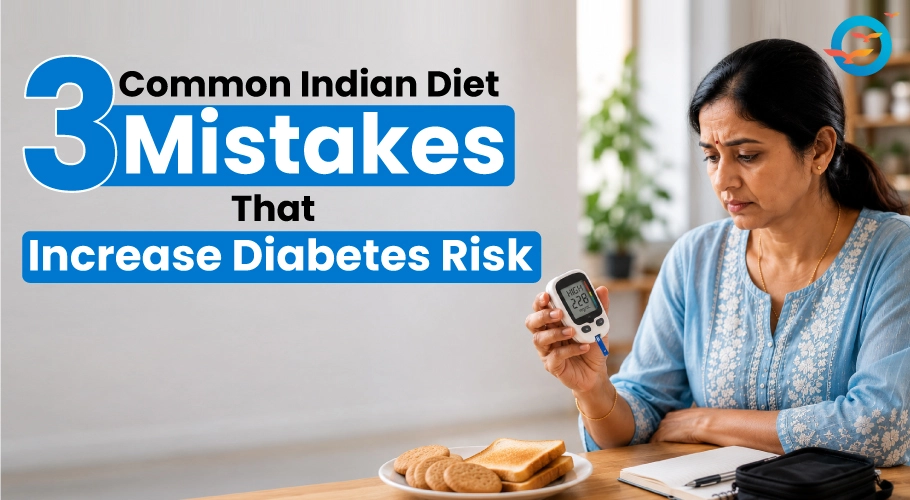
3 Common Indian Diet Mistakes That Increase Diabetes Risk
Diabetes is no longer just a lifestyle disease affecting a few people. Today, almost every Indian family knows someone struggling with high blood sugar, weight gain, fatty liver, or rising cholesterol. While genetics do play a role, daily food habits are often the bigger problem.
The truth is, many traditional eating patterns that seem “normal” may quietly increase diabetes risk over time. From oversized grain portions to excess dairy and oil, these habits can lead to blood sugar spikes, insulin resistance, and metabolic imbalance.
Let’s look at 3 common Indian diet mistakes that may increase diabetes risk and what you can do differently.
1. Starting the Day with Dairy and Refined Add-Ons
A common morning routine in Indian households includes tea or coffee with milk, biscuits, toast, curd, or buttermilk. While these may feel harmless, they often become the first metabolic trigger of the day. Overconsumption of sugary sweets is a major diabetes risk factor.
Milk-based beverages combined with biscuits or processed snacks create an early insulin response and often lead to unnecessary calorie intake before the day has even started. Nearly 27.3% of Indian adults skip breakfast regularly, increasing diabetes risk. Over 42.6% of Indians consume sugary beverages more than twice a week.
For many people trying to improve blood sugar control, reducing dairy temporarily and switching to lighter alternatives may help.
Better alternatives include:
- Almond milk tea or coffee
- Coconut milk beverages
- Herbal teas
- Unsweetened nut-based drinks
This small shift can reduce calorie load and help improve metabolic flexibility.
2. Grain-Heavy Meals Causing Repeated Glucose Spikes
One of the biggest causes of type 2 diabetes in India is excessive dependence on grains. Excessive intake of refined carbs raises blood sugar levels. Lack of fiber in diet worsens blood glucose control.
A typical Indian diet and diabetes risk pattern looks like this:
- Breakfast: Poha, upma, idli, dosa, bread, cereals
- Lunch: 2–4 rotis or large rice portions
- Dinner: Similar grain-heavy meals again
This means repeated glucose spikes at breakfast, lunch, and dinner. About 34.7% of Indians consume excessive refined carbohydrates daily.
Refined or grain-heavy meals digest quickly and push blood sugar levels up faster. Over time, the pancreas is forced to produce more insulin repeatedly, increasing insulin resistance.
Research shows that obesity, hypertension, and prediabetes are becoming increasingly common among the Indian population, largely due to poor dietary habits and excess energy intake. A balanced nutrition approach that emphasizes vegetables, leafy greens, low-glycemic fruits, and controlled portions of carbohydrates may help improve insulin sensitivity and support healthy blood glucose levels. Unlike refined carbohydrates and large servings of potatoes, foods with a lower glycemic index release glucose more gradually into the bloodstream, helping reduce sudden blood sugar spikes. Studies also suggest that maintaining a healthy weight through increased vegetable and fruit consumption may lower the prevalence of heart disease and metabolic disorders. For individuals at risk of diabetes, focusing on whole foods and balanced carbohydrate intake can be an effective strategy for long-term blood glucose management and overall health.
Better breakfast swaps
Replace grain-heavy breakfasts with dal-based options such as:
- Moong chilla
- Dal dosa
- Sprouts chaat
- Dhokla
- Besan chilla
- Ragda
- Mixed sprouts with salad
Dals generally contain lower carbohydrate density than grains while offering more fiber, minerals, and protein.
Portion control at lunch and dinner
Portion control is one of the most effective strategies for blood sugar balance. Around 29.4% of the Indian population is unaware of proper portion control in meals.
Instead of filling 50–60% of your plate with rice or rotis, try this simple formula:
- 25% grains (1 roti or controlled rice portion)
- 25% dal or protein source
- 25% sabzi
- 25% salad
This balanced Indian vegetarian diet chart for diabetic patients can reduce glucose spikes significantly.
If you want an extra roti, increase sabzi, dal, and salad proportionally too.
This is practical portion control for weight loss as well as diabetes prevention.
3. Excess Oil and Ghee Intake Leading to Fatty Liver
Many Indian families underestimate how much oil they consume monthly. Approximately 31.9% of Indian diets are high in saturated fats linked to diabetes.
In a family of 3–4 people, using 3–4 litres of oil or ghee per month is quite common. This can easily translate to 6–7 teaspoons per person daily. High consumption of fried foods contributes to insulin resistance.
Excess fat intake may contribute to:
- Fatty liver
- High triglycerides
- Increased cholesterol
- Insulin resistance
A fatty liver does more than store fat. It can start releasing excess glucose into the bloodstream, worsening blood sugar control further.
This is why diabetes and cholesterol often go hand in hand.
What to do instead
Reduce visible fats significantly:
- Limit oil/ghee to around 2 teaspoons daily per person
- Avoid deep-fried foods regularly
- Prefer steaming, sautéing, roasting, or grilling
This simple habit supports better liver health and acts as one of the best ways to increase metabolism naturally.
Final Takeaway
The rise in diabetes is not only about sugar intake. It is largely about meal structure, portion size, and daily food combinations. Skipping meals disrupts insulin balance.
To lower diabetes risk:
- Reduce excess dairy temporarily if needed
- Cut down grain-heavy meals
- Practice portion control
- Lower oil and ghee consumption
Small daily dietary changes can have a major long-term impact.
A healthier Indian diet and diabetes prevention strategy does not mean giving up home-cooked food. It simply means building a smarter plate.
FAQs
1. What are the signs of type 2 diabetes?
Common signs include increased thirst, frequent urination, fatigue, blurred vision, slow wound healing, and unexplained weight changes.
2. What causes type 2 diabetes?
The major causes of type 2 diabetes include insulin resistance, excess body fat, poor diet, inactivity, genetics, and chronic blood sugar spikes.
3. What is the best diet for a diabetic person in India?
A balanced diabetic diet chart Indian style includes controlled grains, more vegetables, dal, salads, protein sources, and limited processed foods.
4. How to prevent diabetes when it runs in the family?
Focus on portion control, regular exercise, healthy body weight, good sleep, and a balanced Indian diet to lower your risk.
5. What are foods that boost your metabolism?
Protein-rich foods, legumes, green vegetables, nuts, seeds, and fiber-rich whole foods are considered metabolic boosting foods.