Craving For Sweets After Dinner? Read This First
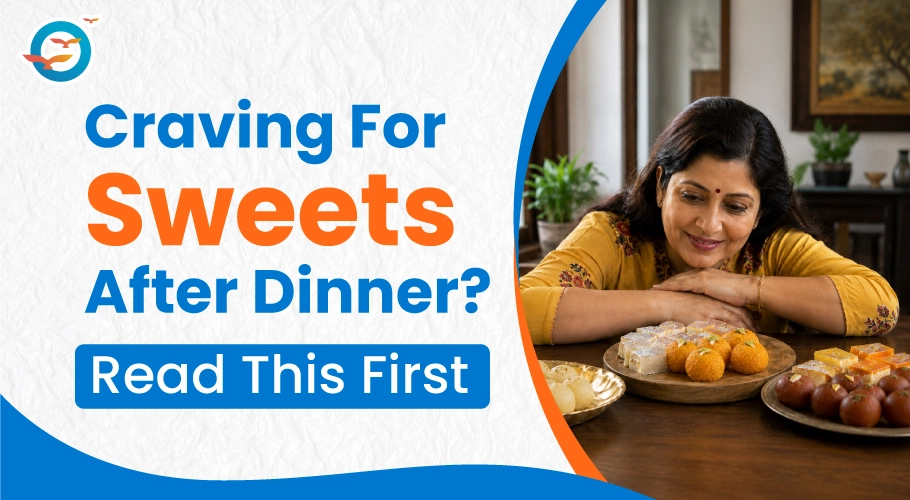
Dinner is over. Your stomach feels full. You know you don't need anything more.
But a few minutes later, your mind starts searching for something sweet; a piece of chocolate, ice cream, or dessert.
Sounds familiar?
This habit of craving sugar after eating, especially after your night meal, is extremely common. Many people believe their body needs sugar after dinner, but the reality is often different.
These cravings are usually connected to your habits, gut health, and even the type of food you eat at night. Understanding the reason behind these cravings can help you break the cycle naturally.
Why Do You Keep Craving Sugar After Eating?
Not every sweet craving means your body needs sugar. In fact, craving sweets after meals at night is often driven by two hidden reasons that most people overlook.
Let's understand them.
Reason 1: Your Brain and Gut Have Learned to Expect Dessert
For many people, dinner feels incomplete without something sweet.
Maybe it started with a small piece of chocolate after dinner or a dessert after family meals. Over time, your brain begins to associate the end of dinner with a sweet reward.
Your gut microbiome may also play a role in these cravings. The bacteria living in your gut interact with your eating patterns and may influence your food preferences. This is why researchers are exploring the connection between probiotics for sugar cravings and gut health.
Including probiotics rich food like plain curd, unsweetened yogurt, and fermented foods may support a healthier gut environment and help manage cravings over time.
The important thing to remember is this: your body may not need dessert after dinner, your habit may be asking for it.
Reason 2: Spicy Dinner Can Trigger Night-Time Sweet Cravings
Have you noticed that after a spicy dinner, you suddenly want ice cream or something sweet?
Spicy foods can create a lingering burning sensation in your mouth and stomach. To reduce this discomfort, many people instinctively reach for sweets after dinner.
This creates a cycle: Spicy dinner to discomfort to sweet craving to dessert.
The sugar does not solve the actual problem. It only provides temporary relief. Reducing extremely spicy foods during dinner can help lower these night-time cravings.
3 Simple Ways to Stop Sugar Cravings Naturally
-
Stop Keeping Sweets at Home
One of the best ways to stop sugar cravings is to change your environment. It's much easier to avoid sweets when they aren't sitting in your kitchen or refrigerator. Most people don't lack willpower; they simply have easy access to tempting foods. If buying dessert requires extra effort, you'll naturally consume it less often.
-
Reduce Extremely Spicy Foods
You don't have to eliminate spices completely. Simply lowering the spice level for a week or two allows your taste buds to adjust. As your meals become less fiery, your need to "cool down" with sweets also begins to fade. Small changes often produce surprisingly big results.
-
Replace Dessert with Protein and Gut-Friendly Foods
Instead of reaching for chocolate or ice cream after dinner, choose foods that keep you satisfied.
A bowl of plain curd with a handful of almonds or curd mixed with whey protein is a much better alternative. These options provide protein while also offering probiotics rich food that supports gut health. Protein helps you stay full for longer, making it easier to resist unnecessary desserts.
Break the Habit, Not Your Willpower
If you're constantly craving sugar after eating, don't assume your body needs more sugar. More often than not, the craving is the result of learned habits, gut bacteria, or meals that are too spicy.
Instead of trying to fight every craving, focus on changing the environment that creates it. Keep sweets out of the house, moderate extremely spicy meals, and replace desserts with protein-rich, gut-friendly foods. Over time, these small habits can retrain both your brain and your gut, making sweet cravings less frequent and much easier to manage.
Visit our blog- Fasting and Blood Pressure: Can Skipping Meals Really Replace BP Meds?
FAQs
-
Is gut bacteria linked to sugar cravings?
Yes. Research suggests that the gut microbiome may influence food preferences, including sugar cravings. While more evidence is still emerging, eating probiotics rich food like curd, yogurt, and fermented foods may support a healthier gut environment and help reduce cravings over time.
-
What foods help reduce sugar cravings naturally?
Protein-rich foods such as curd, Greek yogurt, eggs, paneer, nuts, and legumes can improve satiety and reduce cravings. Including foods that have high probiotics like curd and fermented foods may also support better gut health.
-
Why do I crave sweets all the time?
Frequent sweet cravings may be caused by habitual eating patterns, highly processed foods, poor sleep, stress, low protein intake, or an unhealthy gut microbiome. Understanding the root cause is the first step toward breaking the cycle.
-
Why does spicy food make my stomach inflammation worse?
Very spicy foods can irritate the digestive tract in some individuals, causing burning or discomfort. This often leads people to crave sweets for temporary relief, although reducing excessive spice is a more effective long-term solution.
-
Can eating more protein reduce sweet cravings?
Yes. Protein slows digestion, keeps you fuller for longer, and helps stabilize appetite. Including protein with meals can naturally reduce the urge to snack on sugary foods after eating.
-
How can I break the habit of eating sweets after meals?
The easiest way is to make small, consistent changes:
- Avoid storing sweets at home.
- Reduce very spicy foods.
- End meals with protein-rich options like curd or yogurt instead of desserts.
- Give yourself a few weeks to build a new habit.