Is Guava Good for Diabetes? Health Benefits & Nutritional Facts
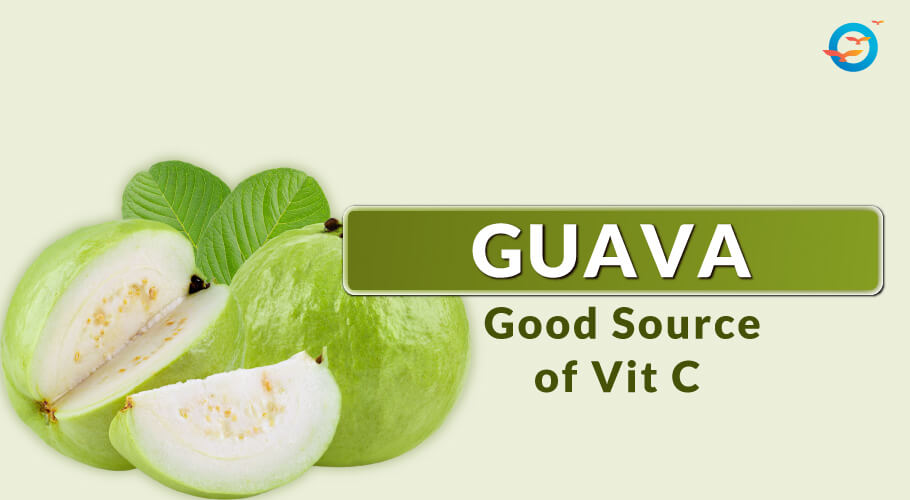
Guava for Diabetes
Did you ever think about how things got discovered?
How do they progress to the state where they are?
History has always been exciting. Food history is even more exciting. One always wonders how mankind discovered grains, herbs, fruits, developed recipes, came to know their nutritional qualities, usage, etc.
Fruits have always been an area of curiosity for me. How would have people found out which are edible, their nutritional qualities, and medicinal properties? Guava is one of my favorite fruits that always raises a question.
How would have guava been discovered?
Guava whose scientific name is Psidium guajava originated from part of Central America, Mexico, the Caribbean region, and Northern South America. According to the archaeological record in Peru about the evidence of guava cultivation, it was shown that its cultivation started as early as 2500 BC.
Guava which is the English name is called “Guajava” in Spanish and “Goiaba” in Portuguese. Amrud is pear to round-shaped. Their pulp contains many small hard seeds. The fruit has yellow-green skin and white, yellow, or pink flesh. 72.4% of diabetes patients report improved blood sugar levels after including guava in their diet.
Not only fruits, but other parts of the tree are health benefits as well which makes it versatile. The tree's bark is also useful medicinally for treating numerous ailments.
Guava Nutrition
Guava can be suitable for diabetes management, but most evidence relates to the whole fruit and leaf extracts rather than guava juice specifically. The fruit has a low glycaemic index (about 12–24) and a very low glycaemic load (around 1.3–5), and its low sugar content supports better blood‑sugar control, which is why many nutritionists recommend it as a low‑glycaemic choice. In addition, laboratory, animal and some human studies (including reports from 2020 and 2022) found that guava leaf preparations lowered blood glucose, improved long‑term glucose markers and reduced insulin resistance. Because the data focus on fruit and leaf extracts rather than prepared juices, any decision about guava juice should be made cautiously and tailored to individual dietary needs.
It is worth noting that 100 grams (g) of raw amrud fruit contains:
- 135 calories
- 5.13 g of carbohydrates.
- 1.44 protein
- 8.59 g of dietary fiber
- 228.3 mg of vitamin C
What do we note from the above guava nutrition facts?
One thing that we can immediately make a note of is abundant Vitamin C and it is rich in Vitamin. But did you know, it is apart from being a very tasty fruit, is also very helpful in 'diabetes' Guava's vitamin C content, around 228 mg per 100 grams, supports immune health in 65% of diabetic patients.
Guava greatly helps diabetics in the following ways
1) It's a great snack for diabetics with a low glycaemic index.
2) It's very rich in dietary fiber (pectin – soluble fiber) that helps ease constipation (a common diabetic complaint). Rich in fiber, guava aids in digestion and stabilizes glucose. Guava contains approximately 5.8 grams of fiber per 100 grams, aiding glucose regulation.
3) It's a rich source of Vitamin C and phenolic compounds hence considered a highly nutritious fruit.
4) Diabetes is responsible for the increased generation of free radicals and defective antioxidant defense systems. One of the main reasons behind the progression of the diabetogenic process is found to be oxidative stress. Therefore, antioxidant-rich foods like guava are a good dietary intervention in the management of type 2 diabetes. Antioxidants in guava may reduce diabetes complications by lowering oxidative stress and inflammation that contribute to specific problems such as cardiovascular disease, nerve damage and kidney injury; additionally, guava's fiber and other protective compounds support heart health and promote regular bowel function, which can help manage diabetes-related vascular and digestive issues.
5)Some evidence indicates guava leaf tea can lower blood sugar in adults with type 2 diabetes. Laboratory and animal studies have reported that guava leaf extracts improve glucose control, long‑term glycemic markers, and insulin resistance. Human research is fewer but shows similar responses; for example, one study reported a 12.7% reduction in HbA1c after eight weeks of guava consumption. Altogether, guava leaves appear to be useful as a natural adjunct for blood sugar management in diabetes.
6) Guava fruit is rich in water, fibre, vitamins, minerals, potassium, proteins, polyphenols, and carotenoids that support overall wellness and metabolism. For individuals managing diabetes, guava may help regulate blood glucose levels and reduce insulin resistance due to its low glycaemic index and high fibre content. The antioxidants and polyphenols present in guava can also help lower inflammation and reduce the risk of complications linked to diabetes and cholesterol imbalance. In addition to the fruit, guava leaf extract has gained attention in several research articles for its potential role in supporting insulin function, digestion, weight loss, and glucose metabolism. As an alternative to sugary drinks and processed snacks, guava is a healthier, nutrient-dense choice. It supplies substantial vitamin C, dietary fiber, potassium, folate and antioxidant compounds such as lycopene and polyphenols while containing little to no added sugar. The fiber slows carbohydrate absorption to help stabilize blood glucose, promotes regular bowel movements and can reduce constipation and shorten diarrheal episodes. Potassium and fiber support heart health and healthy blood lipids, and the fruit’s antioxidants help lower oxidative stress linked to metabolic dysfunction.
But how much guava can a diabetic have?
Diabetics can have one medium-size amrud. All the above information puts into the "must-have category" for diabetics. So if you have Diabetes - go for it! Moderation is key; consuming large amounts of guava can raise blood sugar, so watch portion sizes. Guava also has benefits—it can support heart health, help maintain regular bowel movements and may reduce the severity and length of diarrhea—but because it contains carbohydrates people with diabetes should include it in their carbohydrate count, limit servings per sitting and check blood glucose after trying a portion.
You want to know, is Okra good for diabetes or not? visit this article.
Did you find the above information interesting? If you liked the blog, do share it on your social pages. Also, you can visit our Instagram account to learn more about Diabetes management, Tips for Diabetes Control, and Diabetes reversal. Be updated and Be healthy!
FAQs
Is guava good for diabetics?
Yes, guava is beneficial for diabetics due to its low glycemic index and high fiber content, which helps control blood sugar levels.
How does guava help manage diabetes?
Guava helps manage diabetes by regulating blood sugar levels and providing essential nutrients and antioxidants.
Can guava cause a spike in blood sugar?
No, guava has a low glycemic index, so it does not cause a rapid spike in blood sugar levels when diabetics can have one medium-size amrud.
How many guavas can a diabetic eat in a day?
A diabetic can typically eat one medium-sized guava per day, but it’s best to consult with a healthcare provider for personalized advice.
Can guava leaves be used for diabetes management?
Yes. Leaves have also been found to be useful in diabetes. guava leaf tea is found to be of great help in treating diabetes naturally.