The Surprising Truth About Protein Shakes & Your Health
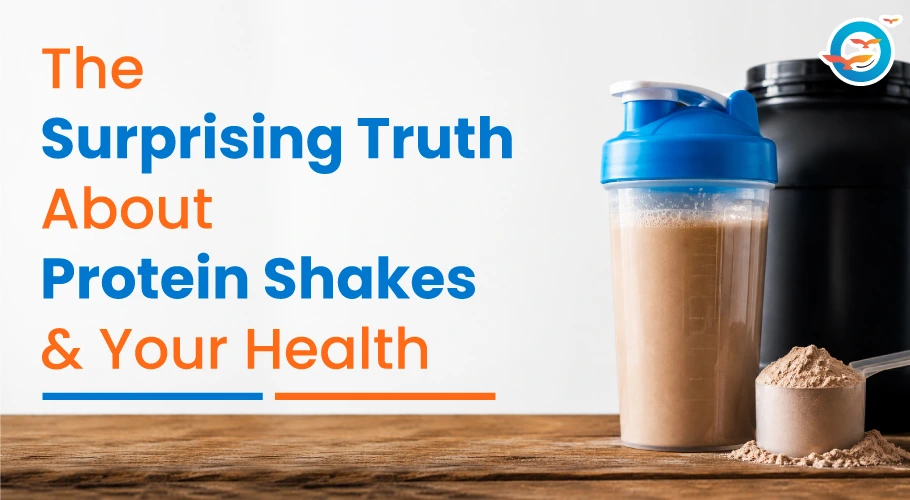
"Will protein powder damage my kidneys?" "Are protein shakes bad for you?"
If you've ever considered adding a protein shake to your routine, you've probably heard these concerns. Interestingly, many people think twice about a scoop of whey protein while regularly consuming excess sugar, refined carbohydrates, and ultra-processed foods.
The truth is that most concerns about protein powder side effects are based on myths rather than science. For healthy individuals, protein powder can be a convenient way to improve protein intake, support muscle health, and make weight management easier.
Let's look at the facts.
Why Are People Concerned About Protein Powder Side Effects?
Protein powders are often misunderstood because they come in a packaged form. Many people assume they are artificial or harmful, while others believe they automatically damage the kidneys.
In reality, whey protein is simply a concentrated source of protein derived from milk. It contains the same essential amino acids found in protein-rich foods such as dairy products.
The real question isn't whether protein powder is harmful. It's whether you're getting enough protein every day to support your body's needs.
Are Protein Powders Safe?
One of the most common questions online is: Are protein powders safe?
For most healthy adults, the answer is yes.
Protein powders are widely used by athletes, fitness enthusiasts, older adults, and busy professionals who struggle to meet their daily protein requirements through food alone.
When consumed as part of a balanced diet, protein shakes can be a practical nutritional tool rather than a health risk.
The Benefits Often Mistaken for Side Effects
Many people notice positive changes after increasing their protein intake.
These include:
- Reduced hunger
- Better appetite control
- Fewer cravings
- Improved muscle recovery
- Easier weight management
Protein is the most filling macronutrient. It helps you stay satisfied for longer, reducing unnecessary snacking and overeating.
This is one reason why protein shakes are often recommended as part of a healthy weight-loss plan.
Does Whey Protein Affect Kidney Health?
Perhaps the biggest myth surrounding whey protein is that it damages the kidneys.
For healthy individuals, current evidence does not support this claim. Healthy kidneys are designed to process protein as part of their normal function.
In fact, conditions such as uncontrolled diabetes, obesity, high blood sugar levels, and high blood pressure are far more likely to contribute to kidney problems than consuming adequate protein.
However, individuals with pre-existing kidney disease should consult their healthcare provider before increasing protein intake.
Can Protein Powder Cause Bloating?
Some people experience bloating after consuming protein shakes, but the cause is often not the protein itself.
Common reasons include:
- Lactose intolerance
- Low-quality protein powders
- Artificial sweeteners and additives
- Drinking shakes too quickly
If bloating occurs, switching to whey isolate or a cleaner product may help.
Can Protein Powder Cause Constipation?
Many people search for the best protein powder for constipation because they assume protein is the cause of digestive issues.
In reality, constipation is usually linked to low fiber intake and inadequate hydration.
If you increase protein intake, make sure you also consume:
- Vegetables
- Fruits
- Whole grains
- Adequate water
A balanced diet can help you enjoy the benefits of protein powder without digestive discomfort.
Pros and Cons of Protein Powder
Pros of Protein Powder
- Convenient source of high-quality protein
- Supports muscle maintenance and recovery
- Helps manage hunger
- Useful for weight management
- Easy to include in a busy schedule
Cons of Protein Powder
- Some products contain added sugars
- Low-quality products may contain unnecessary additives
- Can cause digestive issues in sensitive individuals
Choosing a protein powder without side effects often comes down to selecting a high-quality product with minimal ingredients.
Which Protein Powder Is Best for Weight Loss?
If your goal is weight management, look for:
- High protein content
- Low calorie whey protein
- Low fat protein powder
- Minimal added sugar
Protein helps preserve muscle mass while keeping you fuller for longer, making it easier to maintain a healthy calorie intake.
The Bottom Line
Most fears about protein powder side effects are greatly exaggerated.
For healthy adults, protein shakes are generally safe and can support better nutrition, appetite control, muscle health, and weight management. Rather than fearing protein, focus on choosing a quality product and ensuring your overall diet is balanced.
The bigger problem for most people isn't consuming too much protein, it's not consuming enough.
FAQs
Is protein powder safe to consume every day?
Yes, for most healthy adults, protein powder is safe to consume daily when used as part of a balanced diet. It can help bridge the gap between your protein requirements and actual intake, especially if you struggle to get enough protein from food alone.
Can protein powder help you lose weight?
Protein powder can support weight loss by increasing satiety and reducing hunger. Protein-rich meals help you feel fuller for longer, making it easier to manage calorie intake and avoid unnecessary snacking.
Does protein powder cause bloating?
Protein powder itself does not necessarily cause bloating. However, some people may experience bloating due to lactose intolerance, artificial sweeteners, additives, or consuming protein shakes too quickly. Switching to whey isolate may help reduce digestive discomfort.
Which protein powder is best for weight loss?
A good option for weight loss is a low calorie whey protein or low fat protein powder with minimal added sugar. The best choice is one that provides high-quality protein while fitting your overall nutrition plan.
Can protein powder cause constipation?
Protein powder is not usually the direct cause of constipation. Constipation is more commonly linked to inadequate water intake and insufficient fiber consumption. Eating fruits, vegetables, and drinking enough water can help maintain healthy digestion.
Are protein shakes good for weight management?
Yes. Protein shakes can support weight management by helping control hunger, preserving muscle mass, and reducing cravings. When combined with regular exercise and healthy eating habits, they can be a useful tool for long-term weight control.
Does whey protein affect kidney health?
For healthy individuals, research does not show whey protein damages kidney function. However, people with existing kidney disease should consult their healthcare provider before increasing protein intake or using protein supplements.
What is the healthiest type of protein powder?
The healthiest protein powder is one that contains high-quality protein with minimal additives, artificial sweeteners, and added sugars. Whey isolate is often preferred because it provides a high protein content and is easier to digest for many people.
Can protein shakes replace a meal for weight loss?
Protein shakes can occasionally be used as a meal replacement when they contain adequate protein, fiber, and nutrients. However, whole foods should remain the foundation of a healthy diet.