Thin Doesn't Always Mean Healthy. Here's Why!
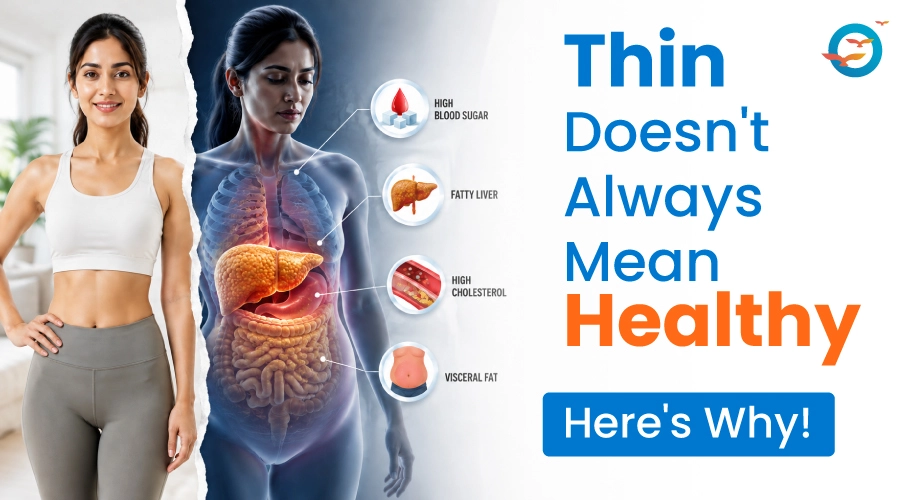
When you think of obesity, you probably imagine someone who is visibly overweight. But what if you could have excess body fat, too little muscle, and still look slim?
This hidden condition is called sarcopenic obesity, and it's becoming increasingly common. A person may have a normal body weight but an unhealthy body composition, increasing the risk of diabetes, fatty liver disease, heart disease, and reduced mobility. It proves that your weight alone doesn't always reflect your health.
Why Your Weight Doesn't Tell the Whole Story
Most people use the weighing scale or Body Mass Index (BMI) to judge whether they're healthy. While BMI is useful as a screening tool, it only considers your height and weight. It cannot tell you how much of your body is muscle and how much is fat.
This is why body fat measurement is just as important. Two people with the same BMI can have completely different body fat percentage values. One may have healthy lean muscle mass, while the other may have excess body fat and very little muscle, putting them at a much higher metabolic risk.
In other words, looking thin doesn't necessarily mean you're healthy.
What Is Sarcopenic Obesity?
Sarcopenic obesity is the combination of two conditions:
- Sarcopenia – loss of muscle mass and strength.
- Obesity – excess body fat.
A person with a sarcopenic obesity body type may not appear overweight, but internally, they have low lean muscle mass and excess fat. Since muscle plays a crucial role in regulating metabolism and blood sugar, losing muscle while gaining fat can silently affect overall health.
Why Is It Harmful?
Muscles are one of the body's largest sites for storing and using glucose. When muscle mass decreases, the body becomes less efficient at removing glucose from the bloodstream. At the same time, excess body fat promotes inflammation and insulin resistance.
This creates a vicious cycle: less muscle leads to poorer blood sugar control, higher blood sugar encourages more fat storage, and increasing body fat contributes to further muscle loss.
Over time, sarcopenic obesity can increase the risk of type 2 diabetes, fatty liver disease, metabolic syndrome, reduced strength, poor balance, and difficulty performing everyday activities even in people who don't appear overweight.
Why Losing Weight Isn't Enough
Many people believe that simply losing weight will improve their health. But losing muscle along with fat can actually worsen metabolic health.
Instead of focusing only on the number on the scale, aim for healthy body fat percentage weight loss reducing excess body fat while preserving or building muscle. Improving body composition is far more beneficial than simply becoming lighter.
How to Improve Your Body Composition
If you're wondering how to improve body composition, focus on building muscle while reducing excess fat:
- Eat enough high-quality protein throughout the day.
- Include resistance or strength training at least 2–3 times a week.
- Stay physically active with regular walking and daily movement.
- Get adequate sleep to support muscle recovery.
- Track body fat measurement instead of relying only on body weight or BMI.
These habits help preserve lean muscle mass, improve insulin sensitivity, and support long-term metabolic health.
Final Thoughts
Being thin doesn't automatically mean you're healthy. Sarcopenic obesity highlights why body composition matters more than body weight alone. Having a healthy body fat percentage and adequate lean muscle mass can lower your risk of diabetes and other metabolic diseases. Rather than chasing a lower number on the scale, focus on building muscle, reducing excess body fat, and creating a stronger, healthier body from the inside out.
Visit our blog- 3 Hidden Truths Behind Diabetes in Thin People
FAQs
-
How is sarcopenic obesity diagnosed?
It is diagnosed using body composition tests (such as DEXA or BIA) to measure muscle mass and body fat, along with muscle strength assessments.
-
Can sarcopenic obesity be reversed?
Yes. Resistance training, adequate protein intake, and regular physical activity can help build muscle and reduce excess body fat.
-
How do I know if I have sarcopenic obesity?
If you have a normal weight but high body fat, low muscle strength, or poor physical performance, a body composition assessment can help confirm it.
-
What are the common symptoms of sarcopenia?
Common signs include muscle weakness, fatigue, poor balance, slower walking speed, and reduced strength.
-
What diet is good for sarcopenic obesity?
A protein-rich, balanced diet with vegetables, fruits, healthy fats, and whole grains supports muscle health and fat loss.
-
What vitamin deficiencies cause sarcopenia?
Vitamin D deficiency is most commonly linked to muscle loss. Low vitamin B12 and inadequate protein intake may also contribute.
-
Is BMI enough to detect sarcopenic obesity?
No. BMI cannot distinguish between muscle and fat. Body fat measurement and muscle assessment provide a more accurate picture.
-
How can I improve my body composition?
Build muscle with resistance training, eat enough protein, stay active, sleep well, and follow a balanced diet.
-
Can sarcopenic obesity increase the risk of diabetes?
Yes. Low muscle mass and excess body fat can worsen insulin resistance, increasing the risk of type 2 diabetes.
-
What foods help build muscle and reduce body fat?
Choose protein-rich foods like eggs, fish, chicken, paneer, Greek yogurt, legumes, soy, nuts, and seeds, along with plenty of vegetables and healthy fats.