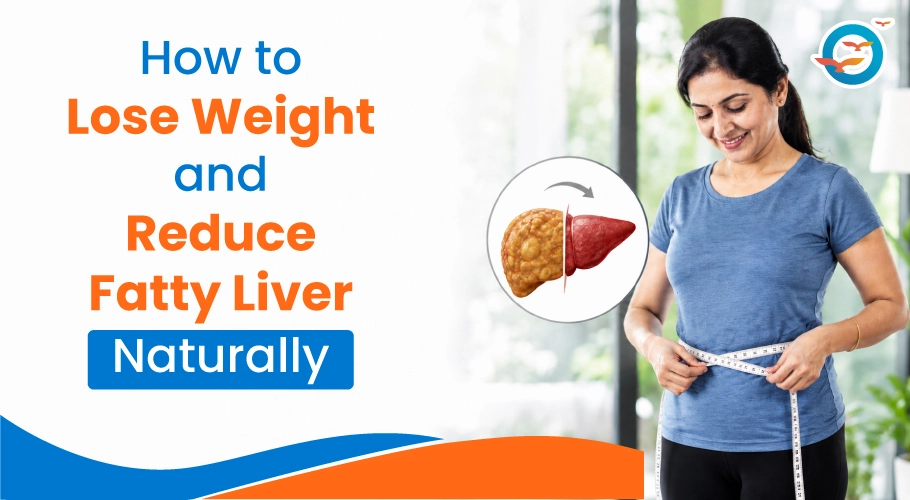
How to Lose Weight and Reduce Fatty Liver Naturally
Your liver works around the clock to process nutrients, regulate metabolism, and remove toxins from your body. But when excess fat starts accumulating inside it, your liver sends a silent warning. Fatty liver disease often develops without noticeable symptoms, yet if left unmanaged, it can progress to serious liver damage.
The good news is that fatty liver can often be improved and even reversed in its early stages with the right lifestyle changes. If you're wondering how to reduce a fatty liver quickly, the answer isn't a detox drink or a crash diet. Sustainable weight loss and healthy habits remain the most effective solution.
What Is Fatty Liver Disease?
Fatty liver disease occurs when too much fat builds up inside liver cells. Today, the most common form is Metabolic Dysfunction-Associated Steatotic Liver Disease (MASLD), previously known as Non-Alcoholic Fatty Liver Disease (NAFLD). It is closely linked to obesity, insulin resistance, type 2 diabetes, and poor lifestyle habits.
Understanding the causes of fatty liver is the first step toward preventing it from worsening.
What Causes Fatty Liver?
Several lifestyle and metabolic factors contribute to excess liver fat.
- Excess belly fat: Visceral fat increases inflammation and insulin resistance, encouraging fat storage in the liver.
- High sugar and refined carbohydrates: Soft drinks, sweets, bakery products, and processed foods are among the common foods that cause fatty liver because excess glucose is converted into liver fat.
- Insulin resistance: When cells don't respond effectively to insulin, the liver stores more fat instead of using glucose efficiently.
- Physical inactivity: A sedentary lifestyle slows fat burning and worsens metabolic health.
What Are the Stages of Fatty Liver?
Knowing what are the stages of fatty liver can help you act before permanent damage occurs.
- Stage 1 – Simple Fatty Liver: Fat accumulates in the liver without inflammation. This stage is usually reversible.
- Stage 2 – Steatohepatitis (MASH/NASH): Fat accumulation is accompanied by inflammation and liver cell injury.
- Stage 3 – Fibrosis: Persistent inflammation leads to scar tissue formation.
- Stage 4 – Cirrhosis: Advanced scarring affects liver function and may lead to liver failure.
Early diagnosis significantly improves the chances of recovery.
Best Weight Loss Strategies to Reduce Liver Fat
-
Lose Weight Gradually
One of the best ways to reduce liver fat is gradual, sustainable weight loss. Losing even 5–10% of your body weight can significantly reduce liver fat and improve liver function. Avoid crash diets, as they may worsen metabolic health.
-
Eat a Liver-Friendly Diet
Choose foods that support metabolism instead of promoting fat storage.
Include:
- Lean protein like eggs, fish, dal, paneer, and chicken
- Plenty of vegetables
- Healthy fats from nuts and seeds
- High-fiber whole foods
If you're looking for fruits to eat with fatty liver, apples, guava, berries, and papaya are good options because they provide fiber and essential nutrients.
-
Cut Back on Foods That Increase Liver Fat
Reducing sugary drinks, refined flour, packaged snacks, fried foods, and desserts helps lower insulin levels and slows fat accumulation in the liver.
-
Stay Physically Active
Exercise improves insulin sensitivity and helps your body burn stored fat.
Walking for 30–45 minutes most days of the week is an excellent starting point. Combining aerobic exercise with strength training offers even greater benefits.
-
Improve Your Eating Pattern
Avoid constant snacking and allow your body enough time between meals to regulate insulin levels. Some people may also benefit from a fatty liver and low carb diet, but it should be planned according to individual health needs under professional guidance.
Final Thoughts
Fatty liver is not just a liver problem it is a sign that your metabolism needs attention. The best way to reduce liver fat is through consistent lifestyle changes, not quick fixes. By losing excess weight, improving your diet, staying active, and managing insulin resistance, you can support your liver's natural ability to heal and improve your overall health.
Also visit our blog-The Best Way to Treat Fatty Liver Before It Turns Serious
FAQs
-
Can losing weight reverse fatty liver disease?
Yes. Losing 5–10% of your body weight can significantly reduce liver fat, improve inflammation, and even reverse early-stage fatty liver disease.
-
What is the fastest way to lose weight with fatty liver?
The safest and most effective approach is a calorie-controlled, nutrient-rich diet combined with regular physical activity. Avoid crash diets, as they may worsen liver health.
-
How much weight loss is needed to improve fatty liver?
Research suggests that losing around 5% of body weight can reduce liver fat, while a 7–10% reduction may improve liver inflammation and fibrosis.
-
Is walking good for fatty liver?
Yes. Brisk walking improves insulin sensitivity, supports weight loss, and helps reduce liver fat when done consistently.
-
Can belly fat cause fatty liver?
Yes. Excess abdominal fat is strongly associated with insulin resistance, making it one of the leading contributors to fatty liver disease.
-
How long does it take to reverse fatty liver with weight loss?
The timeline varies, but many people see improvements within a few months of consistent weight loss, healthy eating, and regular exercise.
-
Can fatty liver go away with diet and exercise?
In its early stages, fatty liver can often improve or reverse with sustained lifestyle changes, including weight loss, balanced nutrition, and physical activity.
-
Is intermittent fasting safe for fatty liver disease?
Intermittent fasting may improve insulin sensitivity and support weight loss in some individuals. However, it should be followed under medical supervision, especially if you have diabetes or other health conditions.
-
Does stress affect fatty liver disease?
Yes. Chronic stress can contribute to unhealthy eating habits, poor sleep, hormonal imbalances, and weight gain, all of which may worsen fatty liver.
-
What BMI is considered healthy for people with fatty liver?
A BMI between 18.5 and 24.9 kg/m² is generally considered healthy. However, waist circumference, body fat percentage, and metabolic health are equally important indicators.