Is Your Gut Secretly Raising Your Blood Sugar?
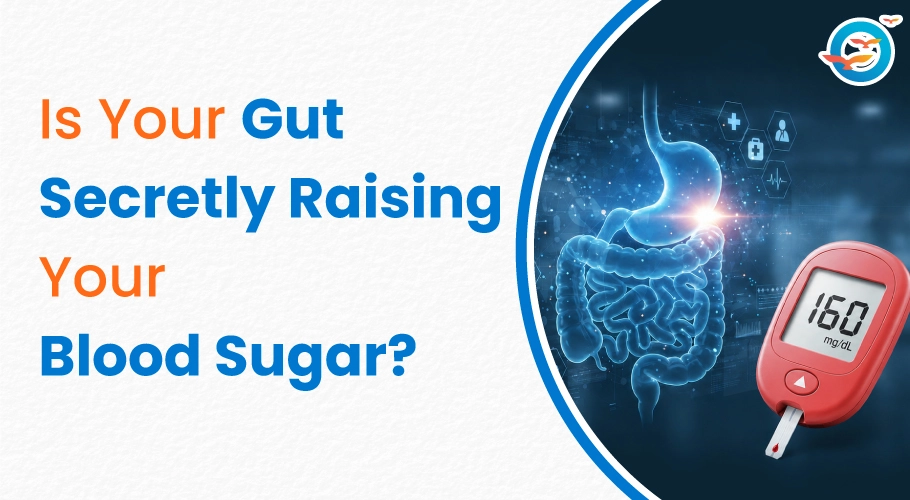
When it comes to diabetes, most people focus on sugar, carbohydrates, insulin, and medications. While these factors are important, there may be another hidden contributor that often goes unnoticed.
Researchers are increasingly exploring the connection between endotoxemia and diabetes. An unhealthy gut can trigger chronic inflammation, which may contribute to insulin resistance and make blood sugar management more challenging. If you are looking for the best way to control diabetes, supporting your gut health may be an important piece of the puzzle.
What Is Endotoxemia?
To understand endotoxemia and diabetes, it helps to understand the human microbiome. The human microbiome is the community of trillions of bacteria living inside your digestive tract. Many of these bacteria support digestion, immunity, and overall health.
However, when harmful bacteria begin to outnumber beneficial ones, they can release substances known as endotoxins. These bacterial endotoxins may enter the bloodstream when the gut lining becomes damaged or overly permeable, a condition often referred to as "leaky gut."
Once in circulation, these endotoxins can trigger inflammation throughout the body.
How Endotoxins Affect Blood Sugar
Many people ask, what does endotoxin do to the body?
Endotoxins activate the immune system and can create low-grade chronic inflammation. Over time, this inflammation may interfere with insulin signaling, making it harder for cells to respond properly to insulin.
As insulin resistance develops, blood sugar levels may rise.
Common insulin resistance symptoms include:
- Difficulty losing weight
- Increased belly fat
- Constant hunger
- Sugar cravings
- Fatigue
- High blood sugar despite lifestyle efforts
For people struggling with insulin resistance weight loss, addressing gut health may support better metabolic function alongside nutrition and exercise.
Solution #1: Increase Prebiotic Foods
One of the simplest ways to reduce gut inflammation naturally is by increasing prebiotic foods.
Prebiotics act as food for beneficial gut bacteria and help maintain a healthy microbiome.
Examples include:
- Apples
- Raw bananas
- Chia seeds
- Sabja seeds
- Onion
- Garlic
- Asparagus
- Cooked and cooled rice
Regular intake of these foods can help strengthen beneficial bacteria and may support those looking for ways on how to reduce gut inflammation naturally.
Solution #2: Add More Probiotic Foods
Probiotics introduce beneficial bacteria into the gut and help support microbial balance.
Some excellent probiotic foods include:
- Kanji
- Idli
- Dosa
- Dhokla
- Apple
- Kimchi
- Sauerkraut
- Kombucha
- Traditional fermented pickles
A healthy balance between prebiotic and probiotic foods helps nourish the human microbiome and supports digestive health.
Solution #3: Consider Medically Supervised Fasting
Another strategy discussed for improving gut health is prolonged fasting.
During fasting, harmful bacteria may receive less fuel, potentially allowing beneficial bacteria to thrive. This may support gut repair and help people looking for ways on how to get rid of gut inflammation.
However, fasting beyond 48 hours should always be medically supervised, especially for individuals living with diabetes. Never stop your insulin resistance medication or diabetes medication without consulting your healthcare provider.
Lifestyle Habits That Can Worsen Gut Inflammation
Several daily habits may contribute to gut dysfunction and inflammation:
- Excess sugar intake
- Ultra-processed foods
- Poor sleep
- Chronic stress
- Lack of physical activity
These factors can worsen inflammation and make blood sugar control more difficult. Addressing them may be one of the best ways to lower blood sugar naturally alongside medical treatment.
The Bottom Line
The connection between endotoxemia and diabetes highlights how closely gut health and metabolic health are linked.
Supporting your gut through prebiotic foods, probiotic foods, healthy lifestyle habits, and appropriate medical guidance may help improve insulin sensitivity and reduce inflammation. While there is no single best way to control diabetes, improving gut health may support one of the most overlooked pathways involved in blood sugar regulation.
FAQs
What are endotoxins?
Endotoxins are substances produced by certain harmful bacteria. When they enter the bloodstream, they can trigger inflammation and immune responses.
What does endotoxin do to the body?
Endotoxins can promote chronic inflammation, interfere with insulin signaling, and contribute to metabolic health challenges.
What is bacterial endotoxin?
A bacterial endotoxin is a component found in the outer membrane of certain bacteria. It can trigger inflammation when it enters circulation.
What is limulus amebocyte lysate?
Limulus amebocyte lysate (LAL) is a laboratory test derived from horseshoe crab blood that is commonly used to detect bacterial endotoxins.
Which foods should be limited in endotoxin-driven diabetes?
Highly processed foods, sugary beverages, and excessive refined carbohydrates may contribute to inflammation and should be limited.
Are probiotics beneficial for endotoxin-driven diabetes?
Probiotic-rich foods may help improve gut microbial balance and support overall digestive health.
Can stress increase endotoxin-related inflammation?
Yes. Chronic stress can negatively affect gut health and may worsen inflammatory responses within the body.
What supplements may support gut health in diabetes?
Depending on individual needs, healthcare providers may recommend probiotics, prebiotics, fiber supplements, or other targeted nutritional support.
How long does it take to see improvements after addressing gut health?
Results vary from person to person. Some people notice digestive improvements within weeks, while metabolic improvements may take longer depending on overall lifestyle and health status.