Top 5 Winter Soups for Weight Loss
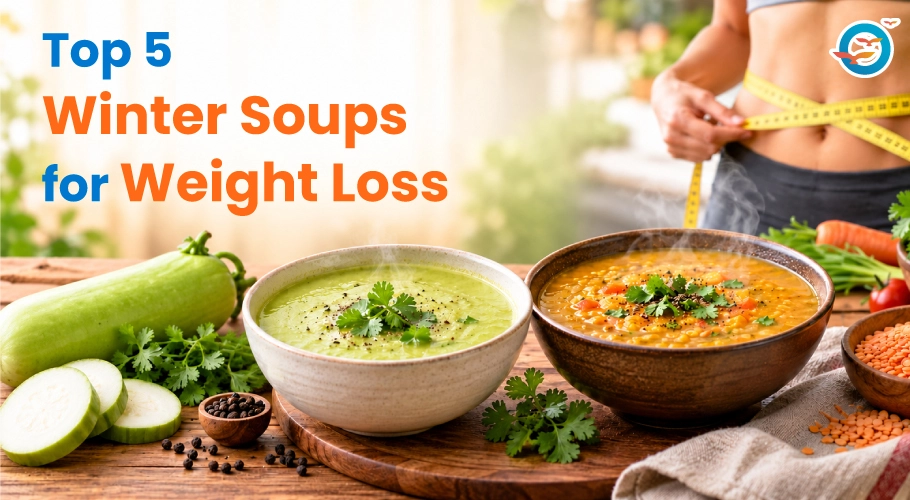
Winter can make healthy eating a little harder. The days get shorter, evening walks become less appealing, and cravings for something warm and comforting get stronger. Before you know it, your usual routine starts to slip.
That’s where a hearty bowl of soup can help. Made with vegetables, protein-rich ingredients and the right seasonings, soup can be a comforting addition to your winter meals without adding too many calories.
Here are 5 winter soups for weight loss, with simple recipes and tips to make each bowl more satisfying. They can fit into a balanced diet, including for people managing diabetes or obesity, depending on individual dietary needs and portion sizes.
Why Winter Soups Work for Weight Loss
Vegetable soups can support weight management because their high water content and fibre add volume to meals without contributing many calories. A homemade bowl may contain around 80–150 calories, depending on the ingredients and serving size.
However, soup alone won’t cause weight loss. It works best as part of a balanced eating pattern that meets your nutritional needs while maintaining an appropriate calorie deficit.
5 Best Winter Soup Ideas for Weight Loss
Wondering which soup is good in winter? These five options are easy to prepare, use simple ingredients and offer different flavours to keep your meals interesting. All five recipes are dairy-free and can be made vegan.
1. Bottle Gourd Soup for Weight Loss
Lauki isn’t the most exciting vegetable on its own. But its mild flavour and high water content make it a great base for a warm, light soup.
How to make it:
- Pressure-cook 1 cup of chopped Lauki with a small onion and 1 garlic clove.
- Blend until smooth.
- Finish with roasted jeera, black pepper and a squeeze of lemon.
The lemon is the part people skip. Don’t. It brightens the flavour and gives this simple soup a refreshing finish.
2. Broccoli Soup for Weight Loss
Broccoli provides fibre and vitamin C. The trick is to get a creamy texture without adding cream.
How to make it:
- Boil broccoli with garlic for about 5–6 minutes, until tender.
- Add 4–5 soaked almonds.
- Blend until smooth and season with black pepper.
The almonds add creaminess without dairy, while broccoli brings its distinctive flavour and nutrients.
3. Drumstick Soup for Weight Loss
Sahjan, or drumstick, is a familiar ingredient in Indian kitchens. Its earthy flavour pairs well with tomato and ginger, making it a comforting choice for cooler days.
How to make it:
- Boil 2–3 drumsticks with a tomato and a small piece of ginger until tender.
- Remove the fibrous outer portions and extract the pulp.
- Strain if needed, then season with black pepper and a tiny pinch of hing.
The result is a light, slightly tangy soup that’s easy to enjoy on a chilly evening. It can provide warmth and hydration, although it isn’t a treatment for the common cold.
4. Winter Cabbage Soup
Cabbage is affordable, widely available in winter and easy to combine with other vegetables. This simple recipe works well when you want something light but flavourful.
How to make it:
- Heat 1 teaspoon of oil in a pan.
- Sauté 1 cup of shredded cabbage and 1 chopped carrot.
- Add grated ginger and black pepper.
- Pour in water and simmer for around 10 minutes, until the vegetables are tender.
For a more substantial bowl, add some cooked beans or lentils.
5. Vegan Lentil Soup
If you want a soup that can serve as a light lunch or dinner, lentil soup is a good option. Unlike broth-based vegetable soups, it also provides plant protein.
How to make it:
- Cook moong or masoor dal with chopped tomato and a handful of spinach until soft.
- Blend partially for a thicker texture, if desired.
- Prepare a tadka with jeera and hing in a little oil, then add it to the soup.
Lentils provide plant protein and fibre, making this a more substantial option than a thin vegetable broth.
How to Make Your Winter Soup Recipes More Filling
Want to make your soup more substantial? Try adding one or two of these ingredients:
- Cooked dal or sprouts: Add protein and fibre.
- Tofu cubes: Increase the protein content.
- Oats: Help thicken the soup and add soluble fibre.
- Cooked millets: Make the soup more substantial.
- Pumpkin or flax seeds: Add texture, healthy fats and some fibre.
Choose additions based on your nutritional needs and portion size. Nuts, seeds and cooking oils are nutritious but calorie-dense, so the quantities still matter.
What to Avoid Adding to Weight Loss Soups
A homemade soup gives you greater control over the ingredients. Some additions can increase its calorie or sodium content without adding much nutritional value.
Try to limit:
- Excess oil or cream
- Large amounts of coconut cream
- Cornflour or refined flour used as thickeners
- Excessive croutons
- Packaged soup mixes high in sodium or added sugars
You don’t need to eliminate every ingredient on this list. The overall recipe, serving size and balance of your meals matter more than any single food.
Your Winter Soup Plan
You don’t need all five soups in your weekly routine. Pick two that you like, prepare them at home and see which ones you enjoy enough to make regularly.
Pair lighter vegetable soups with a protein source or a balanced meal when needed. The goal isn’t to eat as little as possible; it’s to find comforting meals that help you maintain a sustainable eating routine through winter.
Visit our blog- Best Winter Fruits for Weight Loss
FAQs
Are homemade soups better for weight loss?
Homemade soups make it easier to control the amount of oil, salt and other ingredients. Packaged options can also fit into a balanced diet, but check their labels for sodium, added sugars and serving sizes.
How many bowls of soup can I eat for weight loss?
There is no fixed number that works for everyone. It depends on the soup’s ingredients, portion size, your nutritional needs and what else you eat during the day. Include enough protein, fibre and energy rather than relying on soup alone.
Which soup is best for weight loss?
No single soup is best for everyone. Lauki, broccoli and cabbage soups can be lighter options, while lentil soup provides more plant protein and fibre. Choose according to your preferences and nutritional needs.
Is tomato soup good for weight loss?
Homemade tomato soup can fit into a weight-management plan, especially when prepared with moderate amounts of oil and without excess cream or added sugar. You can also combine tomatoes with lentils or other vegetables for a more substantial meal.
What should I avoid adding to weight-loss soups?
Limit excess oil, cream and refined thickeners if you’re trying to keep the calorie content lower. When using packaged soup mixes, check the sodium and added-sugar content.
Can I drink soup before meals for weight loss?
A vegetable-based soup before a meal may help some people feel satisfied sooner. However, the effect varies, and soup isn’t a substitute for balanced meals or an overall sustainable eating plan.
Can soup replace a meal for weight loss?
A well-balanced soup containing vegetables, protein, and suitable carbohydrate sources can be part of a meal. However, a thin vegetable broth alone may not provide enough energy or nutrients to replace a complete meal regularly.